

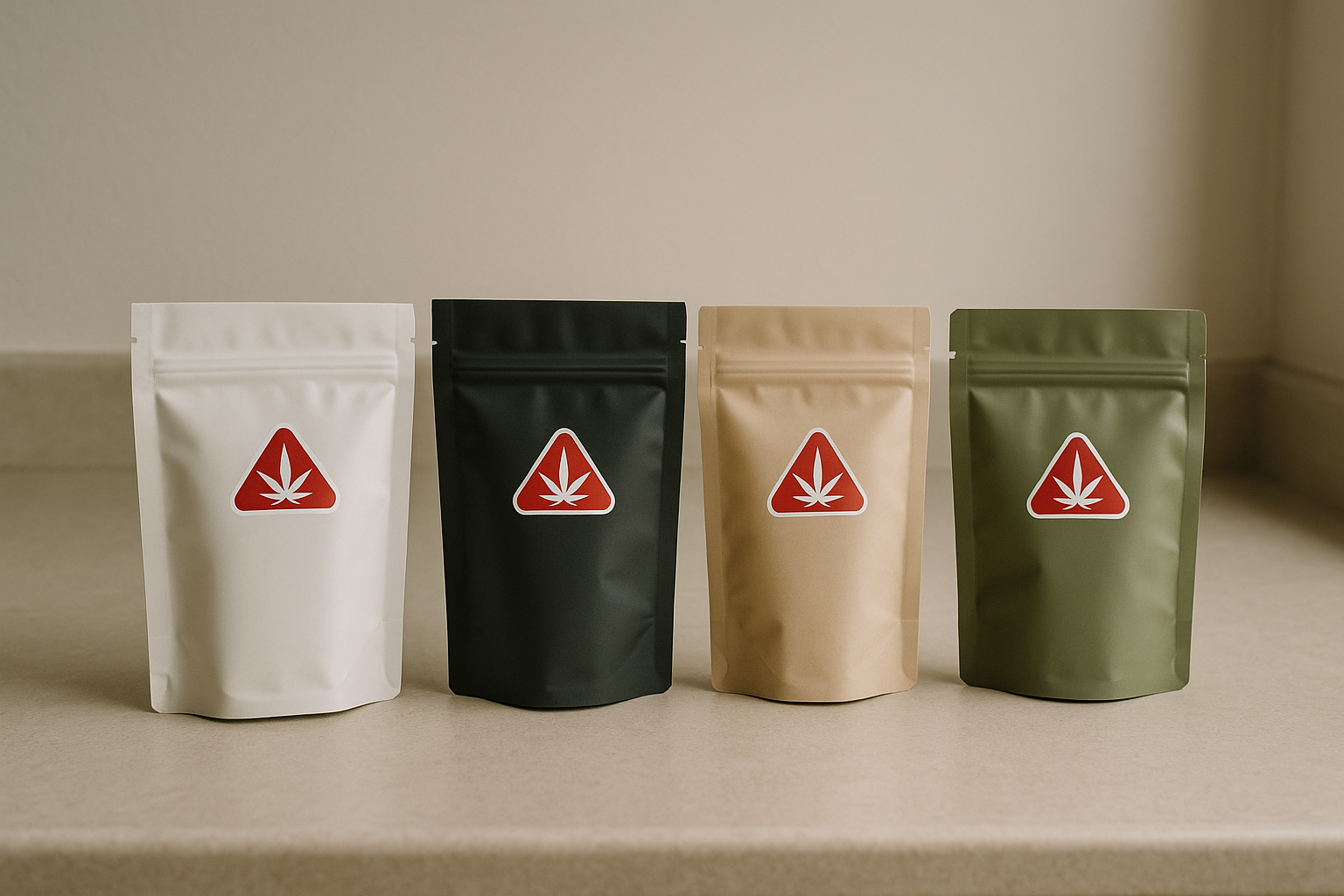

Oregon legislators are advancing a bill aimed at tightening regulations on cannabis edibles, specifically targeting the THC content per individual serving. Senate Bill 1548, currently under consideration, would prohibit the sale of single-serve edible cannabis products that contain more than 10 milligrams of THC. The proposal is intended to curb accidental ingestion by children and reduce cannabis-related poisonings.
The bill was introduced in early February 2026 and is now under review in the Senate’s Early Childhood and Behavioral Health Committee following a public hearing. A formal work session on February 12 saw the committee pass the measure unanimously with amendments, inching it closer to the Senate floor. If enacted, the new limit would take effect January 1, 2027, and include supplemental requirements such as individually packaging edibles and expanding the Oregon Liquor and Cannabis Commission’s authority to insert health messaging. Local governments would also be empowered to create buffer zones around cannabis businesses for public safety reasons.
Supporters of the bill emphasize its public health benefits. Data presented at the hearing indicated that one-third of cannabis-related poisonings reported to the Oregon Poison Center in 2023 involved children aged five and younger. Experts also pointed to Washington state’s implementation of a similar 10 mg cap in 2017, which corresponded with a 75% reduction in hospitalizations and a 50% reduction in poison center calls. Testimony included a dramatic account from a medical professional describing a toddler who consumed two 50 mg THC muffins—resulting in seizure and 36 hours on life support.
Opposition has come primarily from cannabis industry representatives, including a spokesperson for edibles manufacturer Wyld, who argued that the bill should be paused in favor of broader education efforts around consumption and safe storage. They also noted that many existing products already use child-resistant packaging and marketing strategies intended to minimize appeal to children.
The proposed limit aligns Oregon with a growing number of states—including California, Colorado, New York, and Washington—that limit THC per edible serving to 10 mg. According to national data, edibles account for roughly 16% of all cannabis sales. Sales in Oregon rose from 15 million units in 2024 to 16 million in 2025, underscoring the market’s growing reach.
Why this matters locally: Cowlitz County, like much of rural southwest Washington, sees cross-border cannabis sales and may encounter similar public safety risks. Consumers in our region should be aware that, should SB 1548 become law, Oregon’s retail edibles will shift to smaller doses—potentially influencing purchasing behaviors and public consumption norms in neighboring communities.
For cannabis businesses operating near the state line, compliance will require retooling packaging and product formulations. Public health campaigns may need to adapt, and local emergency services should monitor whether such regulation sheds downstream burdens associated with child poisonings.
Editor’s note (February 13, 2026): SB 1548 is pending legislative action. This article will be updated as the bill progresses or changes.