

For many residents of Cowlitz County, the region’s wartime shipbuilding legacy is often associated with the bustling yards across the Columbia River in Portland or the better‑known facilities in Vancouver. But newly resurfaced historical work is underscoring just how deeply the industrial surge driven by Henry J. Kaiser rippled into the communities upstream from Clark County — including Longview and Kelso.
Maritime journalist and museum curator Peter Marsh recently revisited that legacy through his 2021 book, “Liberty Factory: The Untold Story of Henry Kaiser’s Oregon Shipyards,” published by Seaforth Publishing. Marsh maintains an online archive of related materials at LibertyShipFactory.com. His research, highlighted this week by a report in The Columbian, traces how the Kaiser shipyards transformed not only Portland’s industrial base but also the labor, transportation, and housing patterns throughout Southwest Washington.
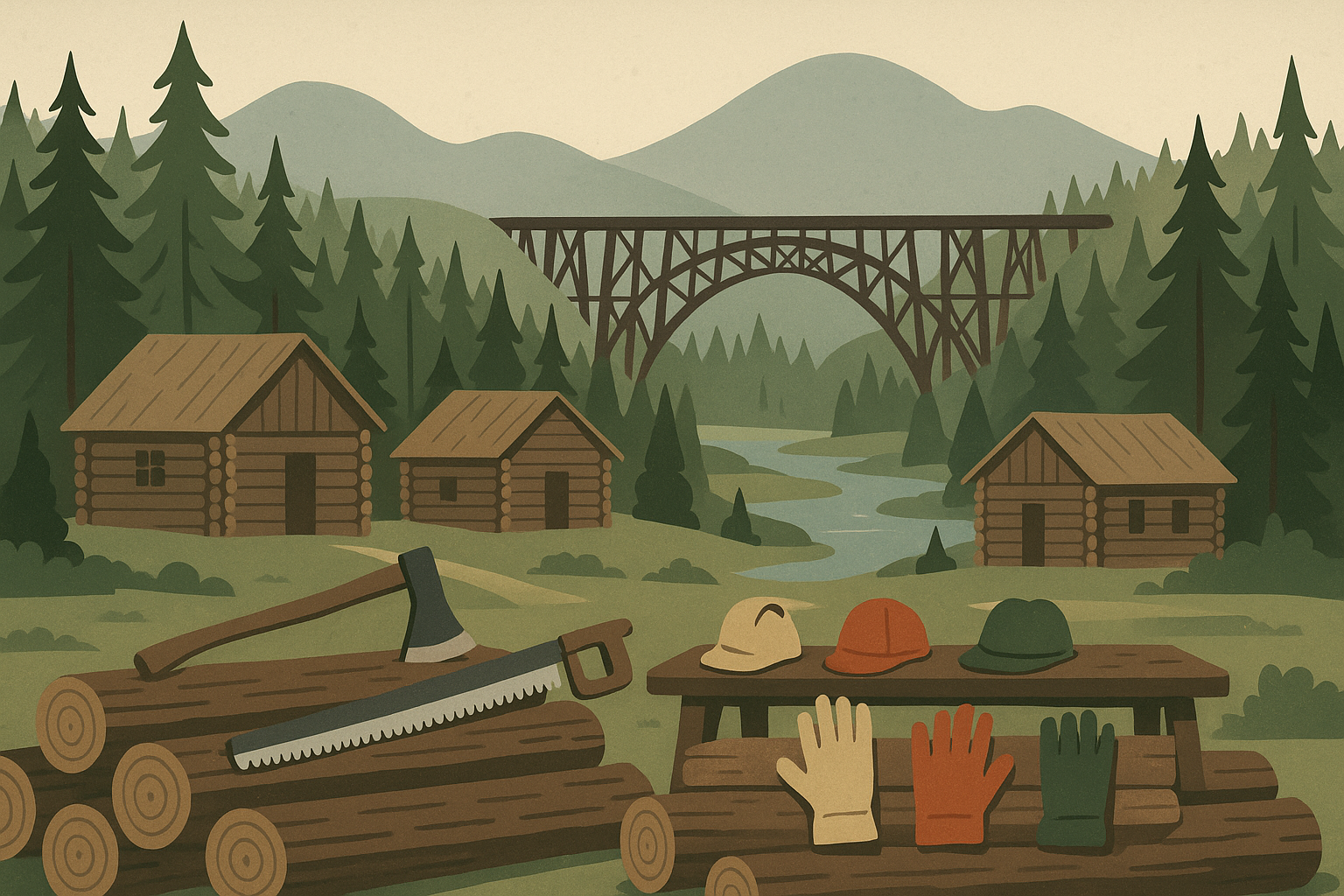
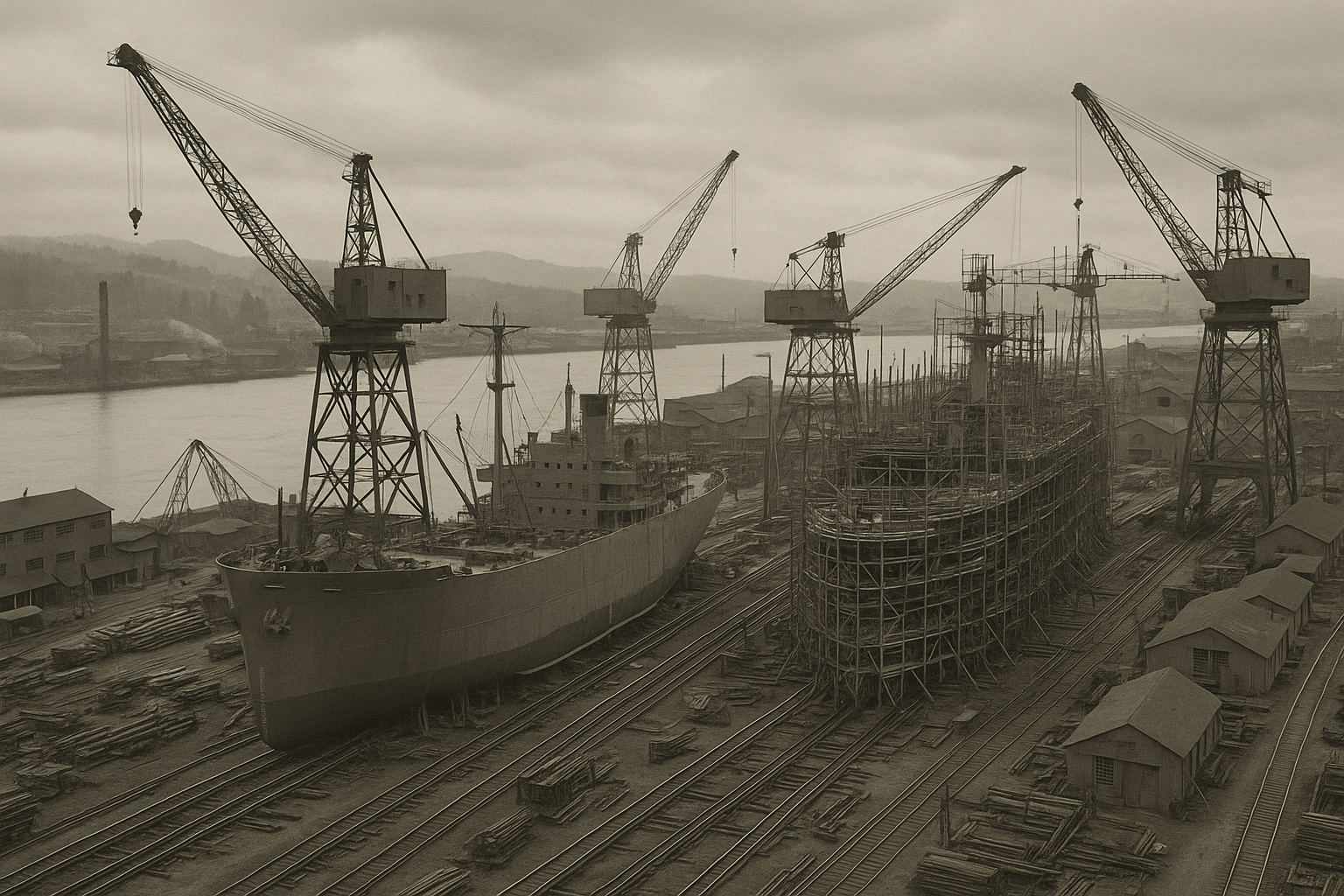
During World War II, Kaiser’s Oregon yards became some of the most productive shipbuilding facilities in the nation, attracting tens of thousands of workers — many of whom commuted from or later relocated to Cowlitz County. Archival records show that Longview-area timber operations supplied critical materials for crating, millwork, and facility expansion, while local rail links helped keep the rapid‑production yards supplied. At the same time, wartime population pressures in Vancouver and Portland pushed families north into Kelso and Longview, permanently altering the region’s postwar demographic map.
Marsh’s work notes that shipyard hiring practices also influenced later industrial labor structures throughout the Lower Columbia. Women and workers from previously excluded racial and ethnic groups gained unprecedented access to skilled industrial jobs. After the war, many remained in the region’s mills, ports, and manufacturing centers, reshaping the workforce that powered Cowlitz County’s mid‑century growth.
While the shipyards themselves were located downstream, their legacy still defines major regional institutions. The interstate workforce that Kaiser’s production lines demanded helped spur long‑term investment in transportation corridors that today connect Cowlitz County to the Portland metro economy. Local port districts, including the Port of Longview, trace elements of their modern logistics strategies to wartime methods of high‑volume material movement developed during the Kaiser era.
Marsh’s research raises broader questions about how much of Southwest Washington’s economic landscape was shaped by decisions made more than 80 years ago — and how much of that story remains underexamined by the communities that inherited it.
Why this matters
Southwest Washington’s contemporary challenges — from industrial diversification to housing strain and regional transportation dependencies — are easier to understand when viewed through the lens of wartime shipbuilding’s long tail. The factors that pulled workers up the Columbia River during World War II continue to influence development patterns around Longview and Kelso today.
Sources
The Columbian: Henry Kaiser’s Oregon Shipyards history in Clark County runs deep
Liberty Ship Factory (Peter Marsh): LibertyShipFactory.com
Seaforth Publishing: Seaforth Publishing