

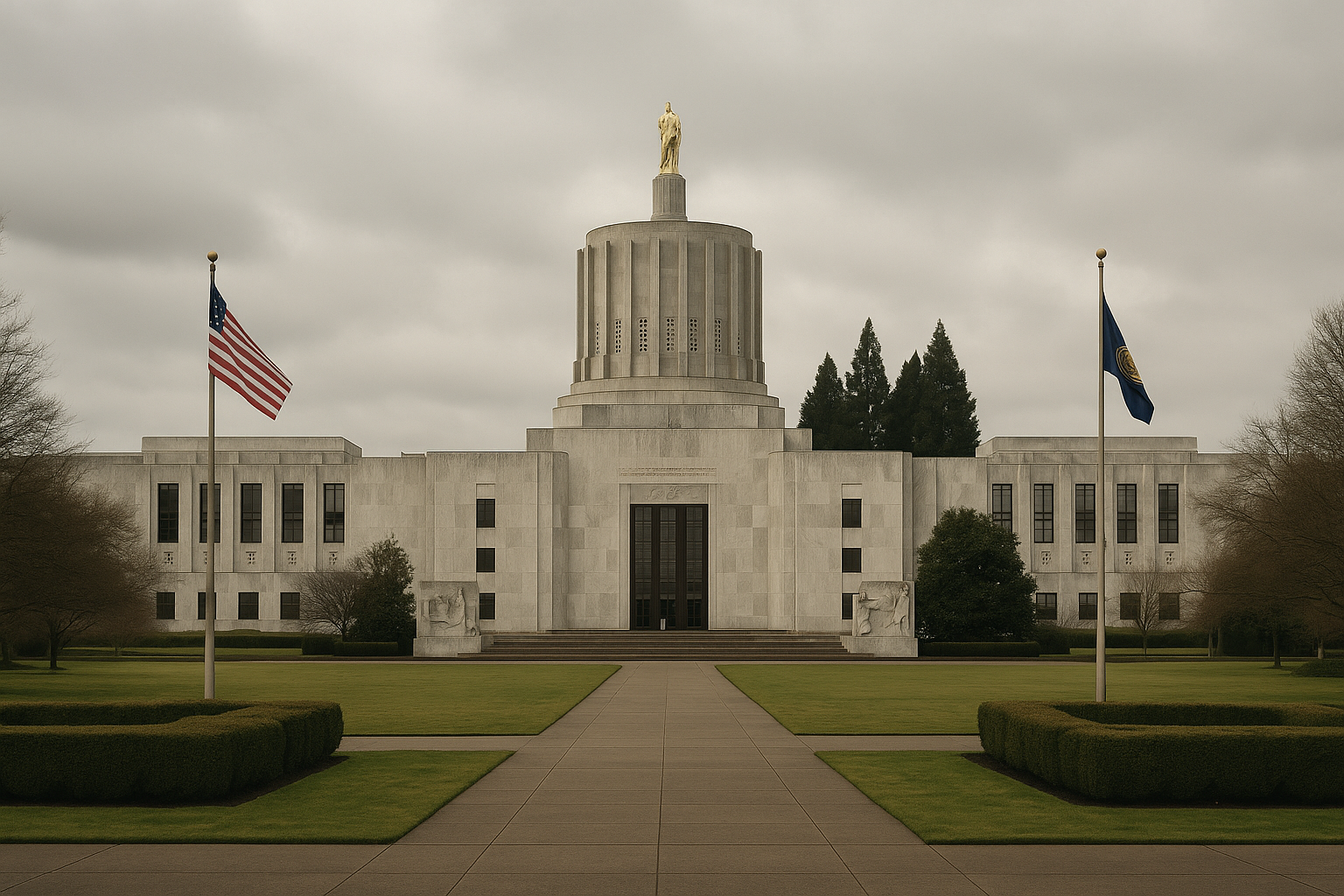

SALEM — A proposal advancing in the Oregon Legislature could reshape how the state taxes inherited assets, potentially influencing cross-border financial decisions for residents of Southwest Washington who own property or maintain business interests in Oregon.
Senate Bill 1511, approved by the Senate Finance and Revenue Committee on Wednesday, would significantly raise the threshold at which Oregon’s estate tax applies while increasing tax rates for the state’s largest estates. The measure comes as Oregon lawmakers revisit a tax structure that has remained unchanged since 2011.
According to bill architects and legislative analysis, SB 1511 would lift the estate tax threshold from $1 million to $2.5 million, with future increases tied to inflation. Documents from the Legislative Revenue Office, linked within the committee materials, project that the change would sharply reduce how many estates owe taxes, particularly among middle-income households whose property values have climbed in recent years. For example, a legislative report available through the OLIS database indicates that roughly three quarters of estates paying tax in 2023 would see relief under the proposal.
To offset that reduction, the bill would implement higher rates on taxable estates exceeding $2.9 million, topping out at 19.9% for estates above $8.5 million. Revenue projections suggest the bill would remain roughly budget-neutral through the current two-year cycle but could lower state revenue modestly over the coming decade as the threshold rises automatically with inflation.
The debate has drawn attention from both political parties, public employee unions, and business groups. Organizations opposing the bill argue that raising tax rates violates a constitutional requirement that revenue-raising bills originate in the House. Others say lawmakers should avoid automatic inflation adjustments to protect long-term revenue.
For Southwest Washington residents, particularly those in Cowlitz County communities with strong personal or commercial ties to Oregon, the proposed changes carry practical relevance. Some families living in Longview or Kelso hold property in Oregon or serve as executors for relatives’ estates across the river. Financial planners in the region routinely advise residents with cross-border assets to track Oregon’s estate laws, which apply based on the location of the property and the decedent’s state residency.
Neighboring Washington State also recently increased its maximum estate tax rate, reaching 35% in 2025, as reported through legislative coverage available from regional outlets. That move has prompted renewed discussion in Olympia about whether high rates risk incentivizing wealthier residents to relocate.
Oregon may see a similar dynamic play out. State Rep. Kevin Mannix is simultaneously backing a ballot initiative that would repeal Oregon’s estate tax entirely. While that campaign has shown limited activity, Mannix has said he continues working on the repeal effort and is watching SB 1511’s progress.
With the bill now headed to the full Senate, its next steps will determine whether Oregon’s estate tax undergoes its most substantial revision in more than a decade. Any final changes could have ripple effects along the Columbia River, where residents and businesses often navigate tax systems on both sides of the state line.
Sources
Oregon Public Broadcasting: Oregon’s tax on dead people’s assets could change this year
Oregon Legislative Information System: Legislative Revenue Office analysis of SB 1511