

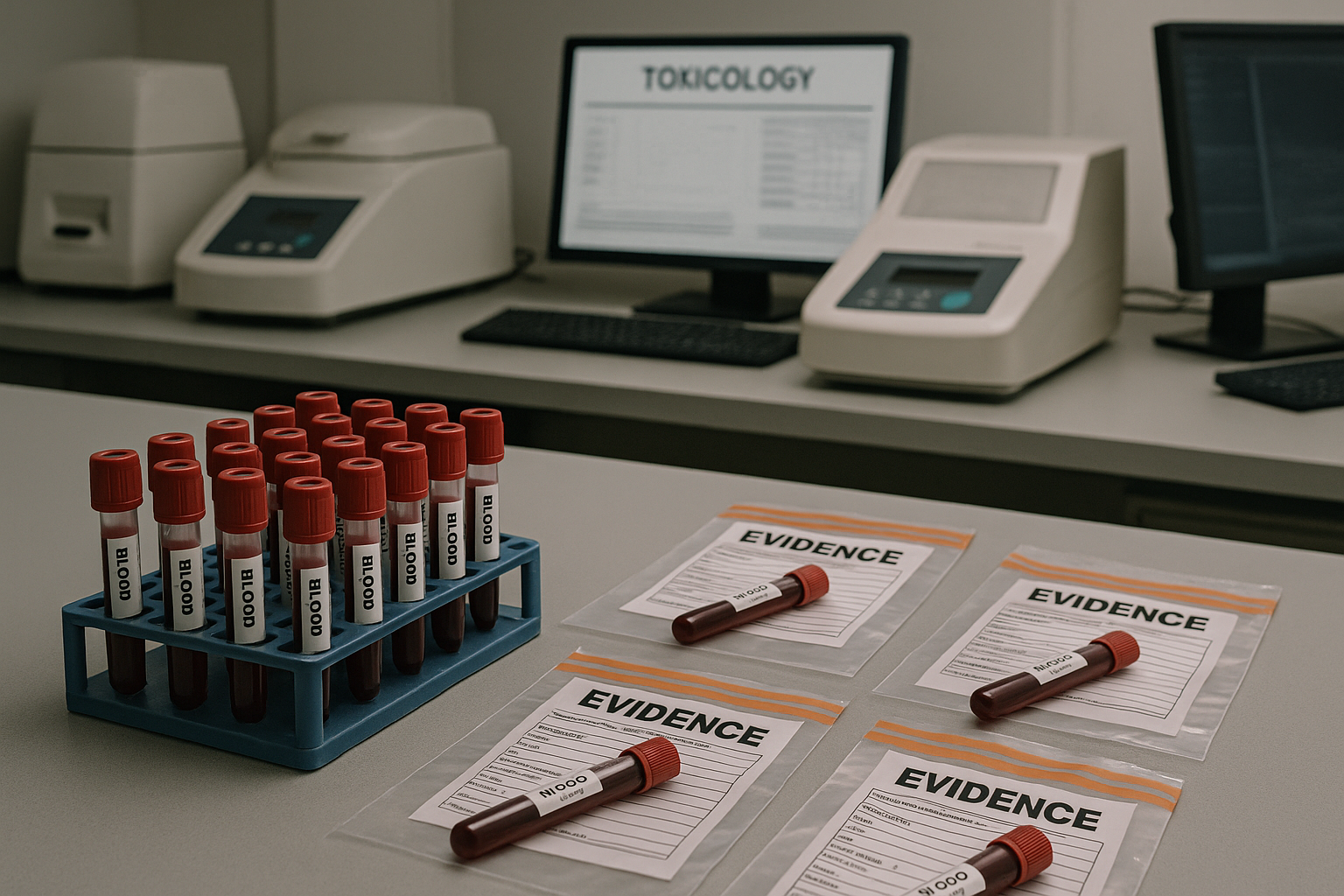

Washington’s effort to address years‑long delays in DUI toxicology testing moved a step forward this week as Senate Bill 5880 began its path through the House after clearing the Senate unanimously. The measure, available through the Legislature’s bill page at the official bill summary, would allow accredited private laboratories to conduct DUI blood testing — a responsibility currently held exclusively by personnel certified by the state toxicologist.
The proposal is aimed at easing a significant backlog at the Washington State Crime Lab, where lawmakers were told that roughly 19,000 toxicology‑related cases were referred last year. Supporters said the change is intended to prevent DUI cases from going uncharged or delayed because of testing waits that can stretch far beyond a year.
During testimony before the House Community Safety Committee, Seattle City Attorney Erika Evans described what she called unacceptable delays. She told lawmakers that toxicology turnaround times for her office can reach 22 months, leaving defendants without court‑ordered conditions in the interim and allowing repeat offenses to occur before cases are resolved.
Not all prosecutors agreed the expanded testing authority would resolve the problem. Russell Brown of the Washington Association of Prosecuting Attorneys cautioned that the cost of clearing existing backlogs through private labs could reach tens of millions of dollars, depending on the volume of samples and contract pricing. Other officials warned of inequities if well‑funded agencies could expedite testing while smaller departments could not.
Defense representatives asked lawmakers to add clearer due‑process requirements, particularly for out‑of‑state private laboratories. They urged provisions ensuring that contracted labs share records and participate in interviews without requiring costly depositions or interstate subpoenas.
SB 5880 would not alter Washington’s existing legal limits for alcohol or THC impairment. The proposal maintains the 0.08 blood‑alcohol threshold and the five‑nanogram THC standard, and it reiterates evidentiary procedures for breath testing. The bill also reinforces a defendant’s right to challenge the reliability of test results.
A portion of the bill would take effect immediately but sunset in June 2027, giving courts, law enforcement agencies, and laboratories time to adjust before longer‑term provisions become permanent. If the House approves the measure, it would be incorporated into Washington’s impaired‑driving statutes.
For Cowlitz County, where DUI cases routinely depend on state‑level toxicology services, any change to testing capacity could influence how quickly prosecutors receive critical evidence. Local agencies, like others across Washington, rely on timely toxicology reports to determine charges, set conditions for defendants, and move cases through the courts. Whether SB 5880 ultimately shortens delays or shifts costs onto counties remains a central question as the bill advances.