
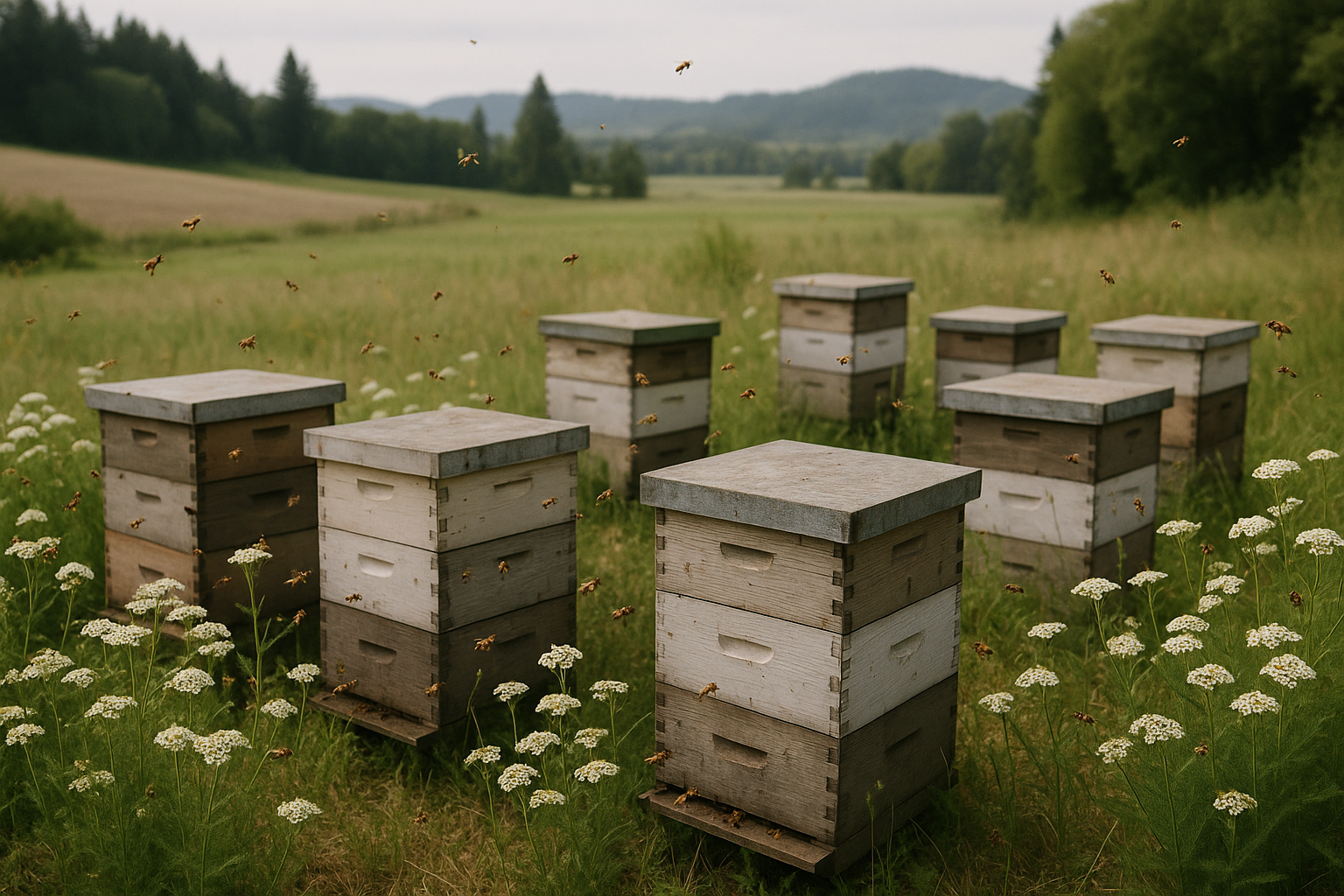

A Battle Ground small business owner is drawing regional attention to the role of pollinators in Southwest Washington’s food systems, echoing national warnings that several U.S. bee species face increasing extinction risks. The story was first reported by KGW, which profiled the beekeeper’s effort to pair sales of raw, locally sourced honey with community education.
The shop, located in the Battle Ground area, offers products harvested from the owner’s hives and uses day‑to‑day customer interactions to explain how pollinators influence local food availability. Educational materials and informal conversations emphasize how fruits, vegetables, and seed crops common across Clark and Cowlitz counties depend on pollinating insects whose populations have been declining.
Federal agencies have raised concerns for years about drops in native bee species. The U.S. Fish and Wildlife Service has formally listed several species as threatened or endangered, and scientific assessments have repeatedly identified habitat loss, pesticides, parasites, and climate‑linked stressors as key drivers. While the honeybee itself is not endangered, beekeepers in Southwest Washington have reported seasonal die‑offs that parallel national trends.
Local producers say these impacts ripple across the region’s agriculture sector, which includes orchards, berry farms, seed growers, and specialty crop operations that rely on consistent pollination. The Battle Ground beekeeper told KGW that promoting awareness at the neighborhood level remains one of the most effective ways to encourage habitat planting, reduce harmful chemical use, and support pollinator‑friendly practices.
Why This Matters
Southwest Washington sits between agricultural zones in Clark, Cowlitz, and Lewis counties, making pollinator health a direct economic and environmental concern. Even small shifts in bee populations can influence yields for locally grown fruits and vegetables sold at Longview and Kelso farmers markets, regional grocers, and roadside stands. Community‑level education, especially when tied to visible local businesses, helps residents understand how household choices and land‑use patterns contribute to broader ecological conditions.
Sources
KGW: Southwest Washington beekeeper raises awareness as US bees face extinction risks