

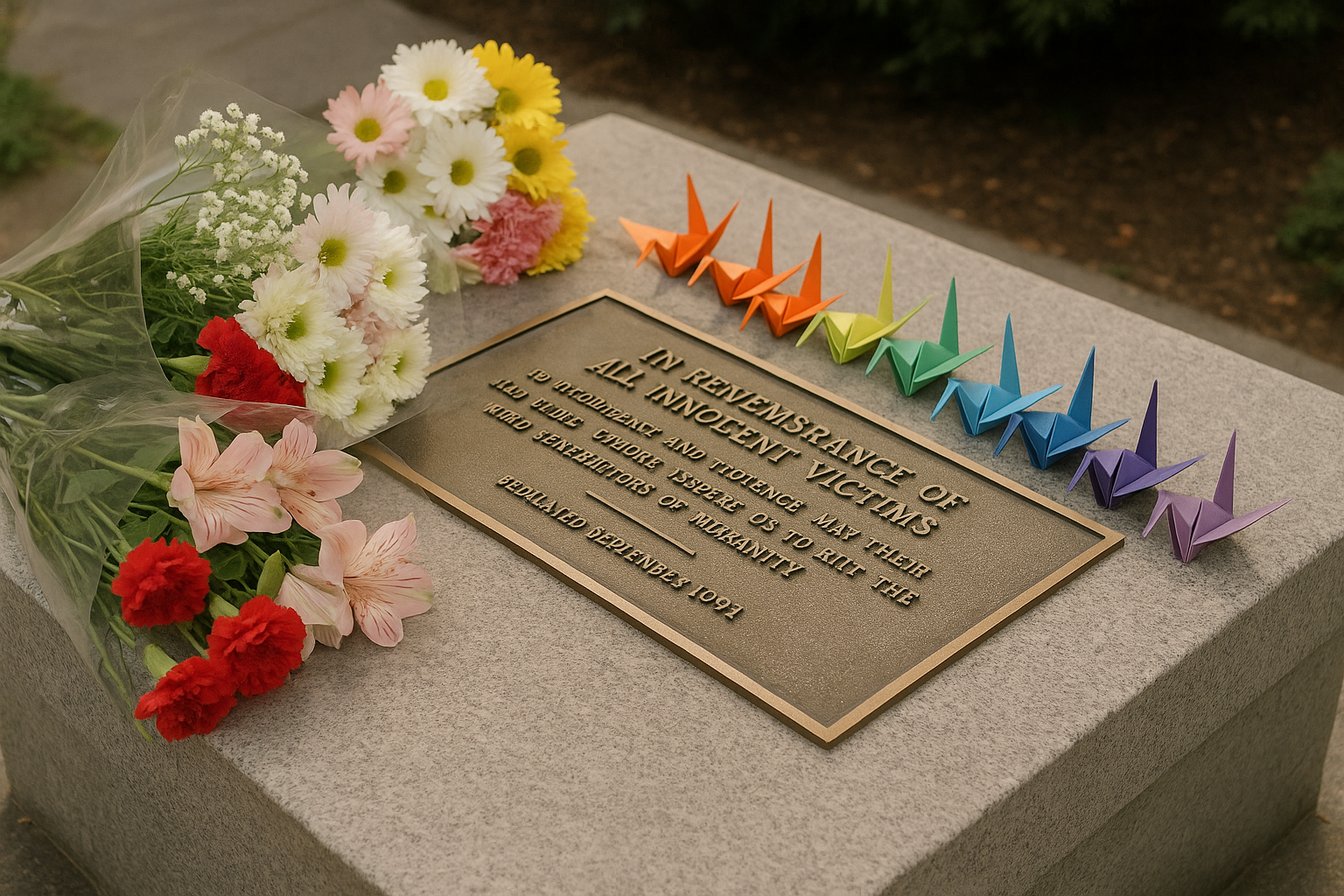

A recent remembrance event honoring Japanese Americans incarcerated during World War II has sparked renewed discussion across Southwest Washington about the legacy of government detention policies and the responsibilities communities carry when historical harms echo into the present day.
According to reporting by KGW, attendees at a Japanese internment remembrance rally heard from at least one survivor of the U.S. incarceration system who warned against the repetition of state actions that target families based on identity or origin. Speakers at the event also voiced opposition to current federal immigration enforcement practices, including arrests and detentions carried out by Immigration and Customs Enforcement (ICE), arguing that the parallels between historic and modern policies are cause for vigilance.
While the remembrance event occurred outside Cowlitz County, its themes resonate locally. Southwest Washington has its own history tied to wartime incarceration. Former residents of the region were among the more than 120,000 Japanese Americans forcibly removed from their homes between 1942 and 1945. Many were transported through assembly centers in Portland and Puyallup before being sent to long-term camps further inland. Several families with prewar ties to Longview and Kelso were displaced during this period, a fact reflected in historical archives and community oral histories.
Local governments today do not operate detention facilities for federal immigration purposes. However, Cowlitz County residents regularly encounter national debates about immigration enforcement, federal authority, civil liberties, and the treatment of families during arrests or transfers. Community groups have intermittently raised concerns about how federal immigration actions intersect with schools, workplaces, and transportation routes in the I‑5 corridor.
At the remembrance rally, speakers emphasized that public memory serves not only to acknowledge past harm but also to evaluate current policy choices. The survivor quoted by KGW urged attendees to recognize patterns that may place vulnerable communities at risk when governments respond to perceived crises with sweeping detention or removal powers.
Why this matters for Southwest Washington
Local historians and civic advocates note that remembrance events elsewhere often help frame ongoing regional conversations about due process, proportional enforcement, and the limits of government power. For many in Cowlitz County, the legacy of wartime incarceration provides a lens for evaluating how current policies affect noncitizen residents, mixed‑status families, and others who interact with federal agencies along the I‑5 corridor.
As national immigration policy continues to shift, the warnings shared at the remembrance event highlight how historical lessons can inform present‑day community oversight and public expectations for transparency and fairness in government action.
Sources: