

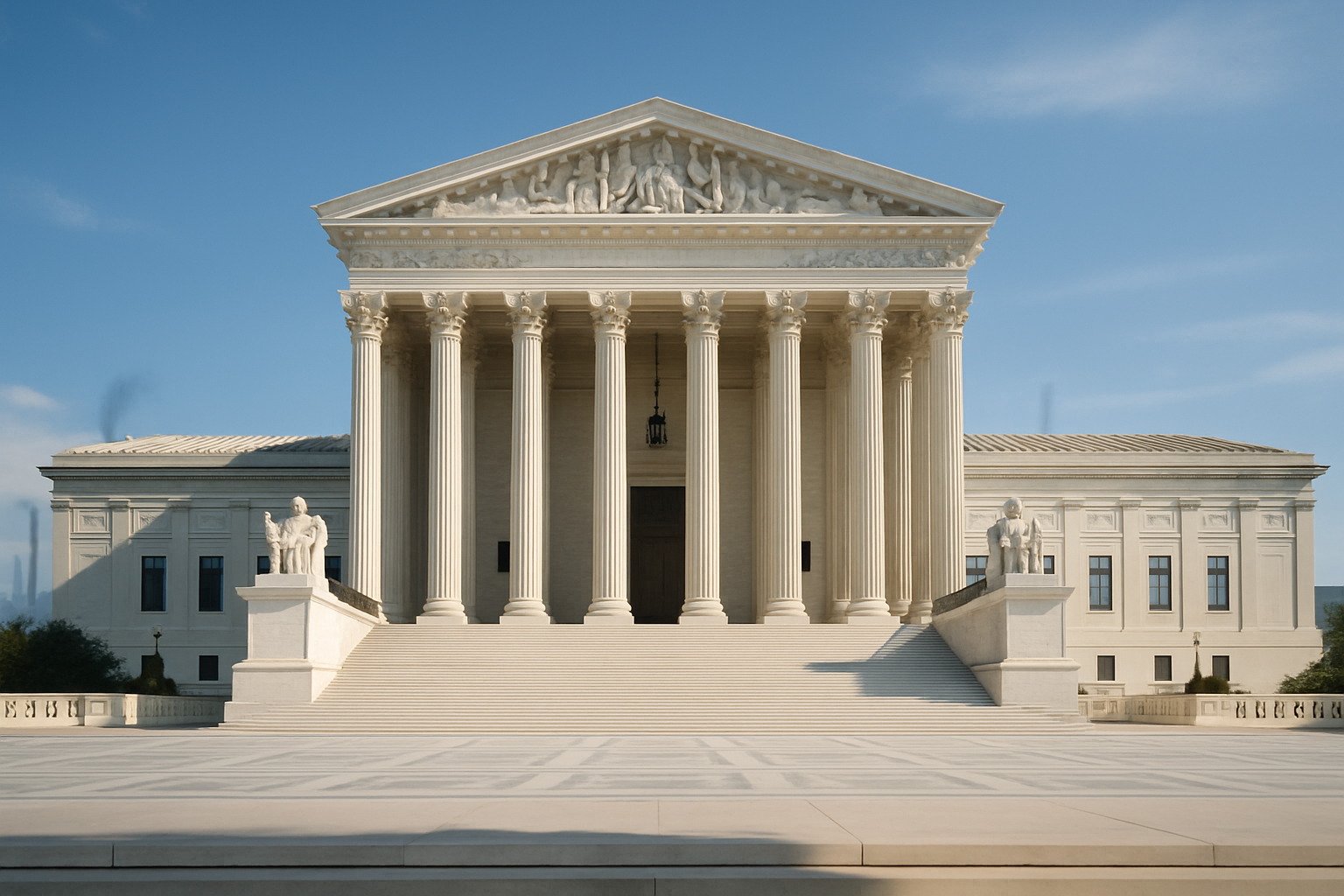

Supreme Court to Review Oil Industry Effort to Block Climate Lawsuits
The U.S. Supreme Court announced on February 23, 2026, that it will consider arguments from major oil and gas companies seeking to stop climate liability lawsuits brought by states, cities, and counties across the country. The decision to hear the cases was first reported by The Columbian.
The cases stem from a growing wave of climate litigation in which local governments argue that fossil fuel companies knowingly contributed to climate‑driven harm—including rising temperatures, wildfire risk, and infrastructure damage—while misleading the public about their products’ impacts. Oil industry defendants, including multinational firms, have sought to move these cases from state courts to federal courts, where they believe the claims are more likely to be dismissed.
The Supreme Court’s agreement to hear the industry’s appeal could determine where dozens of climate liability cases will be tried. While the Court has previously declined to intervene in earlier procedural stages, this marks the first time justices will take up the jurisdictional arguments directly.
Potential Local Impact in Southwest Washington
Although none of the pending cases originate in Cowlitz County, the outcome could shape future legal strategies for Northwest communities facing climate‑related costs. Local governments in Washington State—including King County and the City of Seattle—have already filed climate liability suits alleging extensive financial burdens from flooding, heat events, and infrastructure damage.
Southwest Washington jurisdictions, including Longview and Kelso, are contending with riverfront vulnerability, wildfire smoke impacts, and heat‑related public health strains. If the Supreme Court ultimately rules that these lawsuits may proceed in state courts, it could influence whether additional local governments consider pursuing similar claims to recoup climate‑related costs.
What Comes Next
The Supreme Court is expected to schedule oral arguments later in 2026. A ruling could clarify the legal pathways for communities seeking damages tied to climate change and may determine whether the fossil fuel industry faces prolonged litigation risk at the state level.
For now, local governments and regional climate policy advocates are watching closely. The Court’s decision will not resolve the underlying allegations against the companies, but it will decide where the cases must be heard—an outcome that could significantly shape the long-term legal landscape.
Sources
The Columbian: Supreme Court agrees to hear from oil and gas companies trying to block climate change lawsuits