

Across the Columbia River, a long-running restoration effort in Portland’s historic Lone Fir Cemetery is entering its final phase. Regional officials and community members say the project, centered on Block 14 — a portion of the grounds where thousands of Chinese immigrants were buried between the 1860s and 1920s — reflects a wider Northwest conversation about how public institutions confront buried histories.
According to reporting by Oregon Public Broadcasting, the Metro regional government has commissioned artists Sophia Xiao‑fan Austrins and Qi You to create a public installation for a cultural heritage and healing garden planned at the site. Metro has allocated $200,000 for the art component as part of a larger memorial effort funded through the agency’s voter‑approved 2019 Parks and Nature Bond.
Lone Fir’s Block 14 sits at Southeast Morrison Street and 20th Avenue. The area once held the cemetery’s Chinese section, where more than 3,000 people of Chinese ancestry were buried during an era of legally sanctioned discrimination that restricted immigration, citizenship, and employment. Metro records cited by OPB indicate that many remains were later exhumed and returned to China in accordance with cultural practices, while others — likely women and children — remain in unmarked graves.
The site’s trajectory shifted in the 1950s, when Multnomah County, then the cemetery’s owner, paved Block 14 for a maintenance building and parking lot. Plans to sell the land for development in 2004 halted after community members raised concerns about remaining burials. Metro subsequently took ownership, removed the structures, and reincorporated the block into the cemetery.
In recent years, Metro has posted multilingual signs at the site reading “This is not an empty field,” signaling to visitors that the ground holds human remains and a complex history. Those signs drew You’s attention shortly after she moved to Portland, according to OPB’s reporting, and informed the pair’s approach to the memorial.
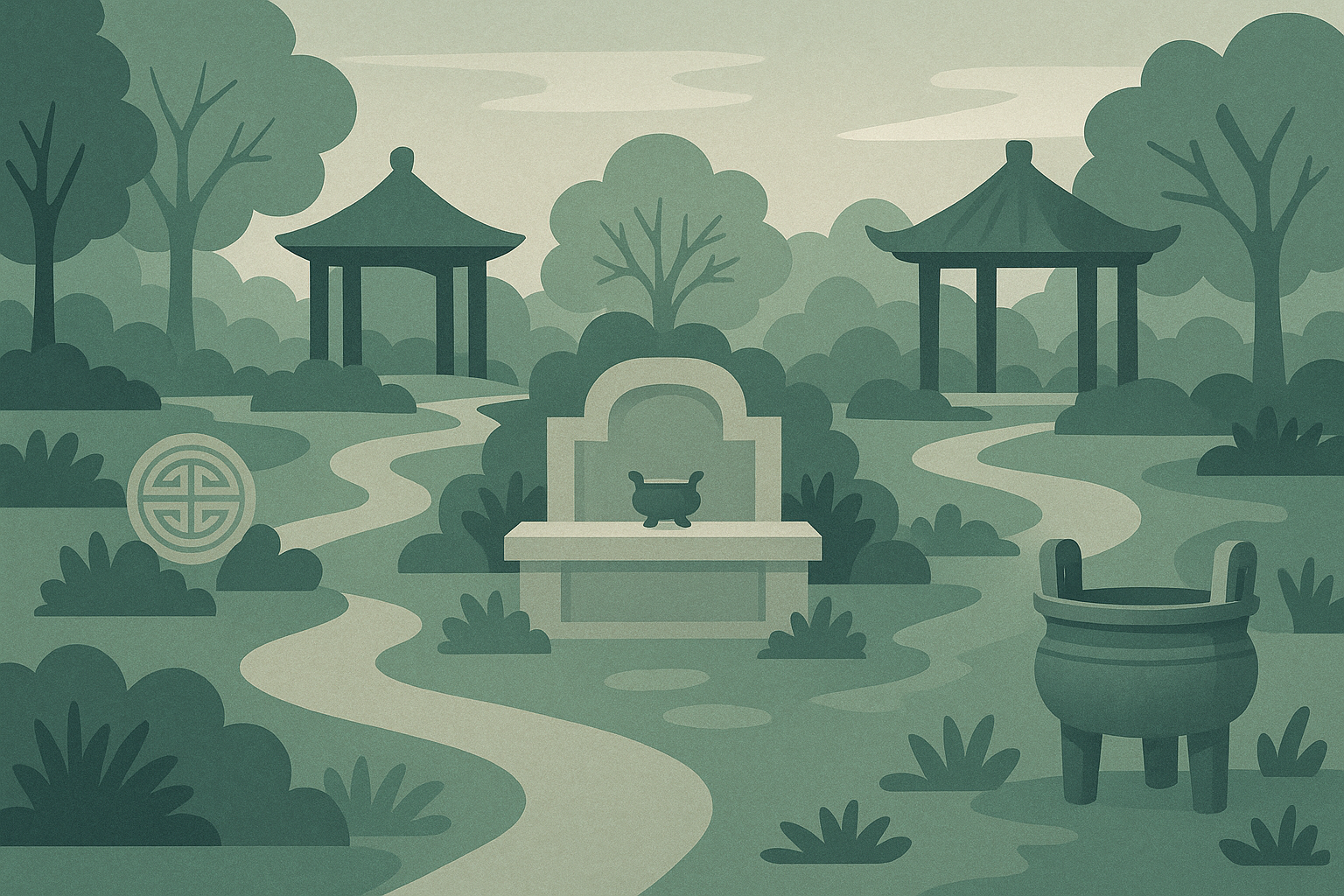
The artists’ project has emphasized community involvement, including public sculpting sessions where participants created clay offerings shaped like foods associated with Chinese ancestral rites. Austrins told OPB that the process is intended to reflect shared cultural experience rather than a top‑down artistic intervention. You has described a future design incorporating an altar, a pavilion, and paths carefully routed to avoid burial locations.
The Block 14 memorial is expected to be completed next February. Austrins and You plan to hold their next public engagement session on March 7, according to Metro’s event listing at oregonmetro.gov.
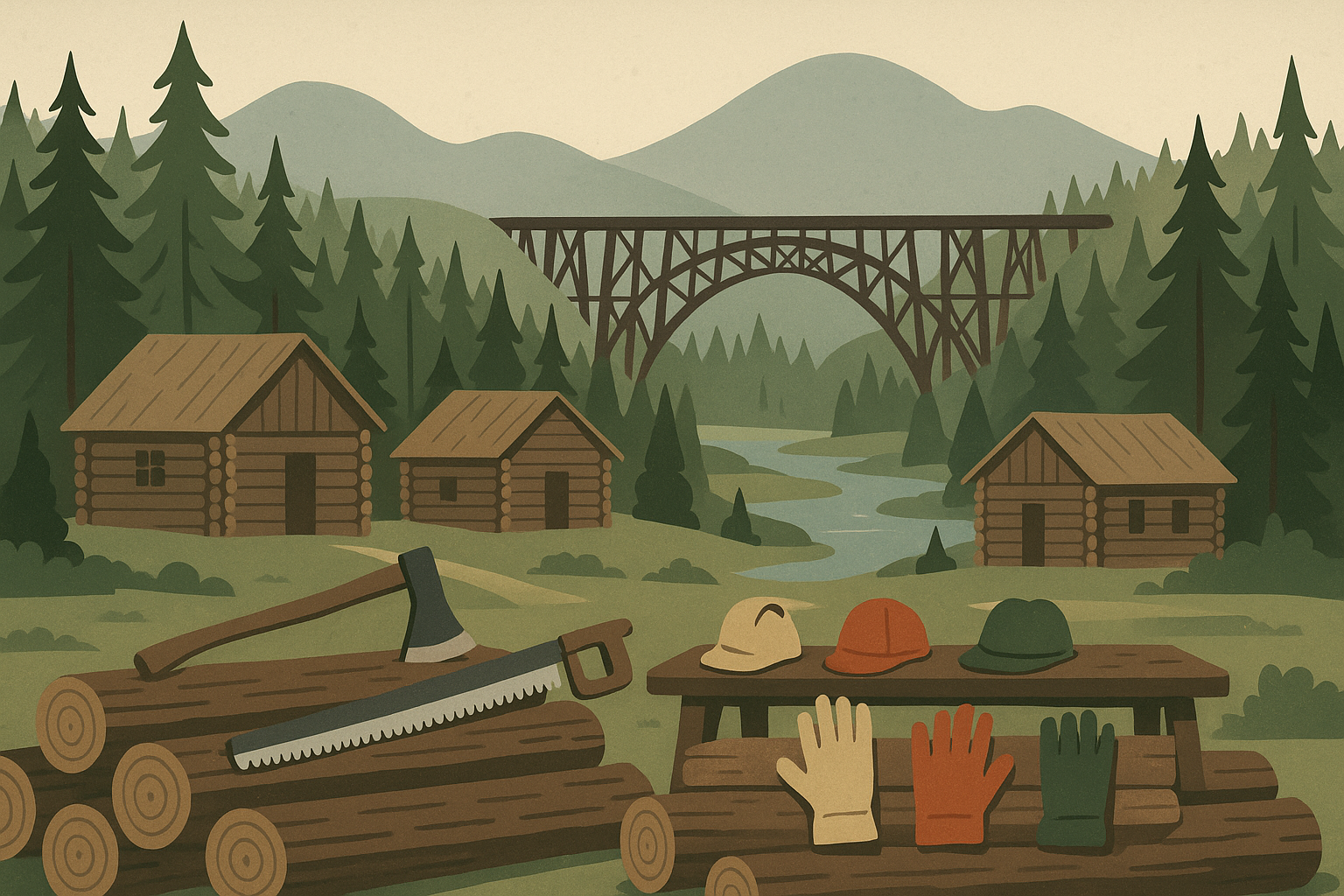
For Southwest Washington — home to its own early Chinese communities who worked in logging camps, rail lines, and the Cowlitz River corridor — the project offers a reminder of how easily immigrant histories can be erased, and how deliberately they must be recovered. While Block 14 lies on the Oregon side of the river, the questions it raises about responsibility, land use, and public memory are shared across the region.
The Lone Fir memorial reflects a broader pattern: communities across the Northwest are reevaluating neglected burial grounds, county decisions made decades ago, and the role of public agencies in preserving — or obscuring — the stories of those who built the region long before current growth pressures took shape.