

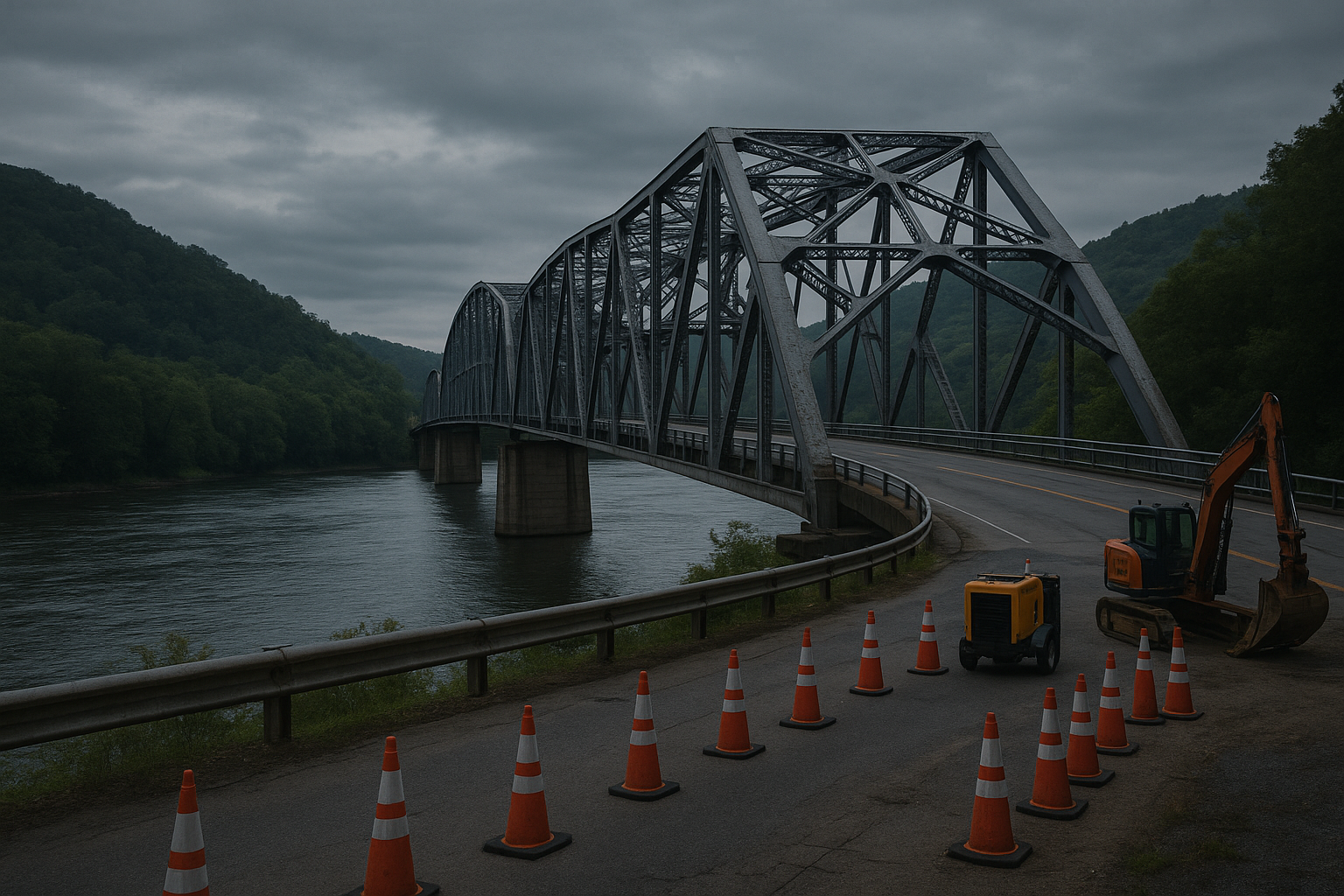

The Oregon Department of Transportation has postponed the planned overnight closure of the Astoria‑Megler Bridge, pushing the work to Thursday, February 26, after forecasters warned of incoming inclement weather. The schedule change was confirmed in recent transportation updates, including reporting from The Daily Astorian and additional regional coverage from the Seaside Signal.
According to ODOT, the overnight closure is necessary to remove the aging overhead toll‑booth structure located on the Oregon-side on‑ramp. During a recent inspection, bridge engineers identified deterioration in the structure’s wooden roof and noted the potential for collapse under severe weather conditions. Officials emphasized that the bridge itself remains structurally sound, and that the emergency work is limited to eliminating the hazard posed by the outdated toll facility.
The full overnight closure will run from 9 p.m. to 6 a.m. on Thursday, February 26. Flaggers will be positioned at both ends of the span, and emergency vehicles will be permitted to cross. However, no practical detour is available for regular traffic during those hours. ODOT is advising travelers to plan ahead and avoid crossing during the closure window when possible.
With the Astoria‑Megler Bridge serving as a key link between Southwest Washington and the Oregon Coast, the one‑night shutdown may cause temporary disruptions for Cowlitz County residents traveling toward Astoria for work, appointments, or commerce. While the immediate risk relates only to the deteriorating toll‑booth structure, the situation underscores how weather‑dependent maintenance needs can affect critical regional routes.
Why this matters
For communities in Longview, Kelso, and the broader Cowlitz County area, the Astoria‑Megler Bridge remains an essential corridor for coastal access. Any closure—planned or emergency—can limit mobility for workers, commercial drivers, and residents who depend on the route. Although this project is narrowly focused on removing a deteriorating structure, it highlights the broader challenges of maintaining cross‑state infrastructure in a region prone to high winds, heavy rain, and winter storm conditions.



Leave a Comment