

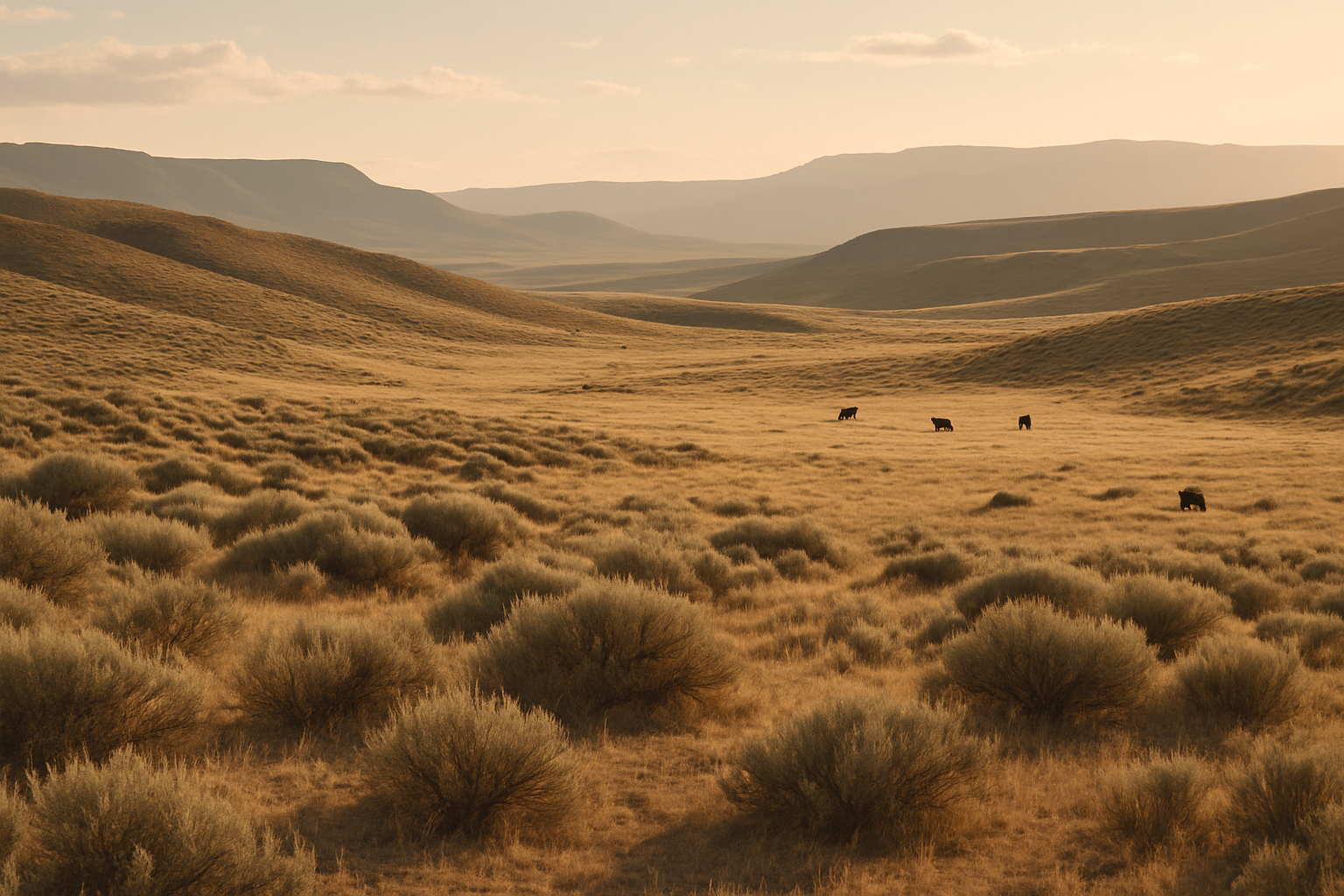

The Bureau of Land Management is moving toward a new long‑term plan for grazing allotments near Steens Mountain in southeast Oregon, according to reporting by Oregon Public Broadcasting. The proposal follows years of litigation, administrative reversals, and political attention connected to Dwight and Steven Hammond, the Harney County ranchers whose arson convictions helped ignite the 2016 Malheur National Wildlife Refuge occupation.
The agency’s plan, detailed in an environmental impact statement published on its ePlanning portal, outlines potential issuance of one or more new 10‑year grazing permits across approximately 26,000 acres of federal land. Those allotments border the protected Steens Mountain Wilderness, a high‑desert habitat known for sage grouse, pronghorn, bighorn sheep, and other wildlife.
According to reporting by OPB, conservation organizations Western Watersheds Project and the Oregon Natural Desert Association have formally protested the proposal, arguing the agency’s analysis does not sufficiently account for ecological impacts. Adam Bronstein, Oregon director of Western Watersheds Project, said provisions in the environmental impact statement would allow increased cattle numbers and expanded temporary grazing permits during high‑growth years. He described the terrain as a fragile ecosystem that is incompatible with livestock grazing.
The BLM has emphasized that the proposal does not predetermine who would receive a permit. In statements included in OPB’s reporting, BLM public affairs specialist Tara Thissell said the environmental review assesses land conditions and potential effects, but any permit decision must be made separately and only after an applicant submits paperwork. Federal law requires the agency to evaluate an applicant’s history and compliance after an application is filed.
The Hammonds previously held grazing privileges on these allotments until 2014, when the agency declined to renew their permit following their convictions for setting fires on federal land. Their case gained national attention in 2016, when militants seized the Malheur refuge for 41 days to protest federal land management. Although their convictions were later pardoned in 2018 and their grazing rights reinstated in early 2021, the Biden administration rescinded the permit a month later.
According to reporting by OPB, Dwight Hammond has indicated to the Oregonian/OregonLive that his family would likely apply again. He noted that their private lands border federal allotments without fencing, limiting their use without concurrent grazing access.
The BLM’s current proposal remains in the administrative review phase. According to the agency, the timing of a final decision will depend on the number and complexity of protests and how the agency resolves them.
Why this matters for Southwest Washington
Federal land‑management decisions outside Cowlitz County often reverberate across the region’s ranching, timber, and public‑lands policies. The legal and political battles surrounding the Hammond allotments have shaped broader debates about how Western federal lands are managed, how agencies apply environmental protections, and how conflicts over grazing access can escalate. Those same issues intersect with ongoing conversations in Southwest Washington about federal forest management, watershed protections, and the expectations communities hold for agencies with authority over large public land bases.
As the BLM moves toward a final decision, the outcome may influence future expectations for environmental review, permit oversight, and the role of local stakeholders—issues that directly inform how land‑use conflicts are navigated throughout the rural West, including along the Columbia corridor.
Sources
Oregon Public Broadcasting: Bureau of Land Management proposes opening federal lands formerly convicted Hammond ranchers once grazed
Bureau of Land Management: Environmental review materials for Steens Mountain allotments
Oregonian/OregonLive: Reporting on prospective Hammond application




Leave a Comment