


Introduction
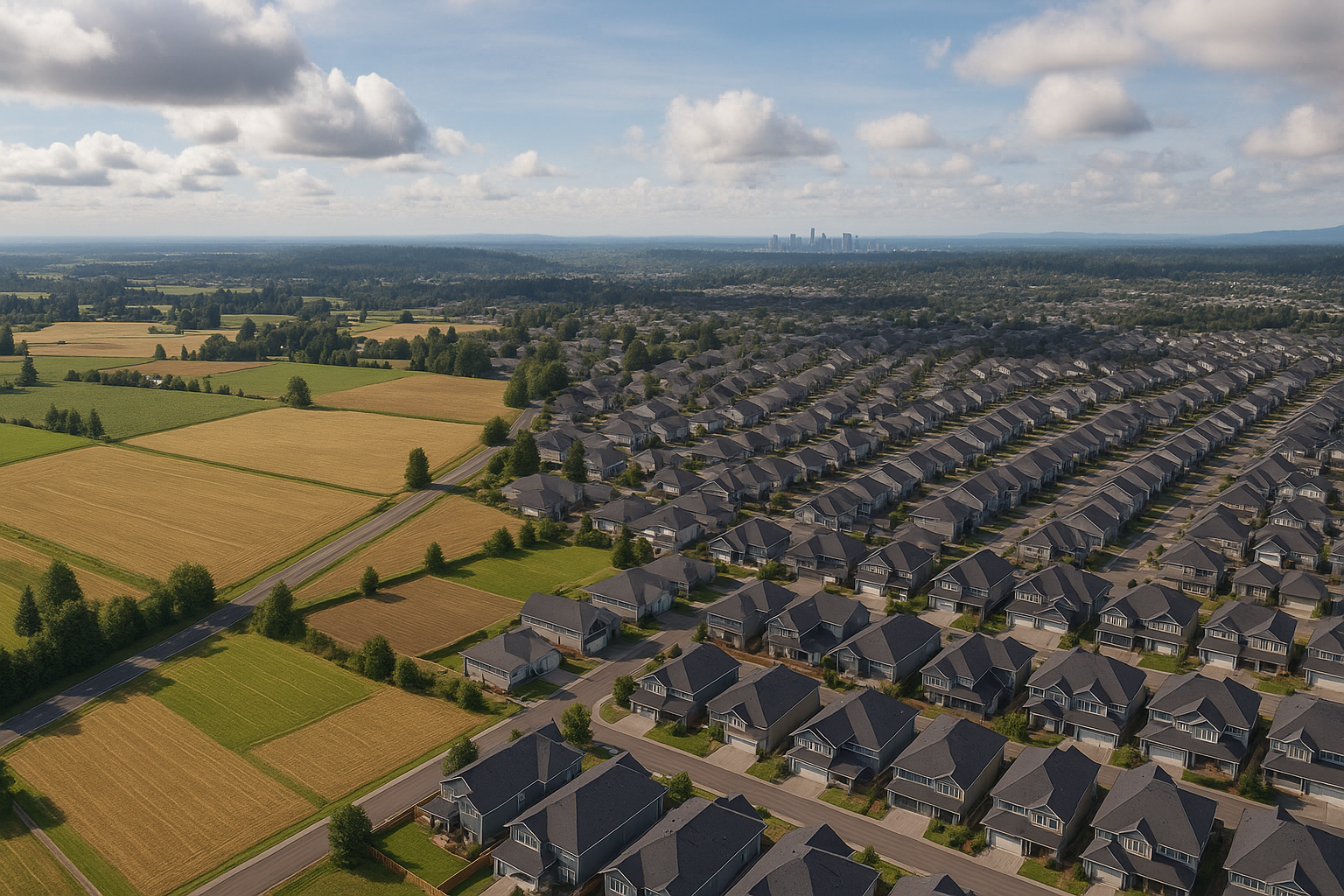
Clark County’s planning commission has recommended a significant expansion of urban growth boundaries, advising that urban areas surrounding several cities be extended into nearby farmlands. The recommendation was formally delivered to the county council on Wednesday, as reported by The Columbian. The proposal forms part of the county’s ongoing update to its 20-year Comprehensive Growth Management Plan.
What the Recommendation Involves
Clark County continues to refine its long-term growth strategy, with the planning commission’s latest position suggesting broader urban footprints around fast-growing communities. This aligns with recent activity in the county’s multi‑year planning process, including public hearings and environmental review stages outlined on the county’s official project pages, such as the joint hearing notice provided by Clark County’s Community Planning department (Clark County Community Planning).
In recent months, Clark County staff and regional partners have studied alternative land‑use maps, reviewed zoning changes, and considered infrastructure impacts across municipal boundaries. Earlier planning updates indicated that proposed changes include modifications to zoning designations and limited expansions of urban growth areas, reflecting the county’s obligation to accommodate projected population increases (Clark County Growth Plan Open Houses).
Regional Context and Local Significance
Cowlitz County communities, particularly those near the Clark–Cowlitz line such as Woodland, frequently feel the downstream impacts of Clark County’s land‑use decisions. Expanded development pressure in Clark County can shift housing demand, transportation patterns, and farmland preservation debates northward. Because Woodland participates in regional planning coordination and carries its own obligations under Washington’s Growth Management Act, changes in Clark County’s urban boundaries may influence future planning assumptions for local jurisdictions in Cowlitz County.
The planning commission’s recommendation also aligns with broader regional debates seen in other jurisdictions across the Pacific Northwest, where pressures for housing, school capacity, and transportation infrastructure continue to shape discussions on the balance between growth and preservation. Recent summaries of planning deliberations in neighboring counties have similarly highlighted tensions between density, sprawl, and the long‑term availability of agricultural land (CitizenPortal.ai summary of Clark County planning staff).
Next Steps
The Clark County Council is expected to review the planning commission’s recommendation as it considers how to finalize the updated Comprehensive Plan. County‑level decisions on urban growth boundaries typically require additional public hearings, environmental review, and eventual coordination with multiple city governments before implementation.
These decisions will continue to shape growth patterns across the region, including the stretch of the I‑5 corridor shared by Clark and Cowlitz counties. For residents and local governments in Cowlitz County, monitoring Clark County’s evolving land‑use strategy remains essential as both counties navigate growth pressures in the coming decades.
Sources
- The Columbian: Clark County planners: Expand urban growth boundaries
- Clark County Community Planning: Joint hearing notice
- Clark County Community Planning: Growth plan open houses
- CitizenPortal.ai: Planning staff outline comp‑plan update




Leave a Comment