

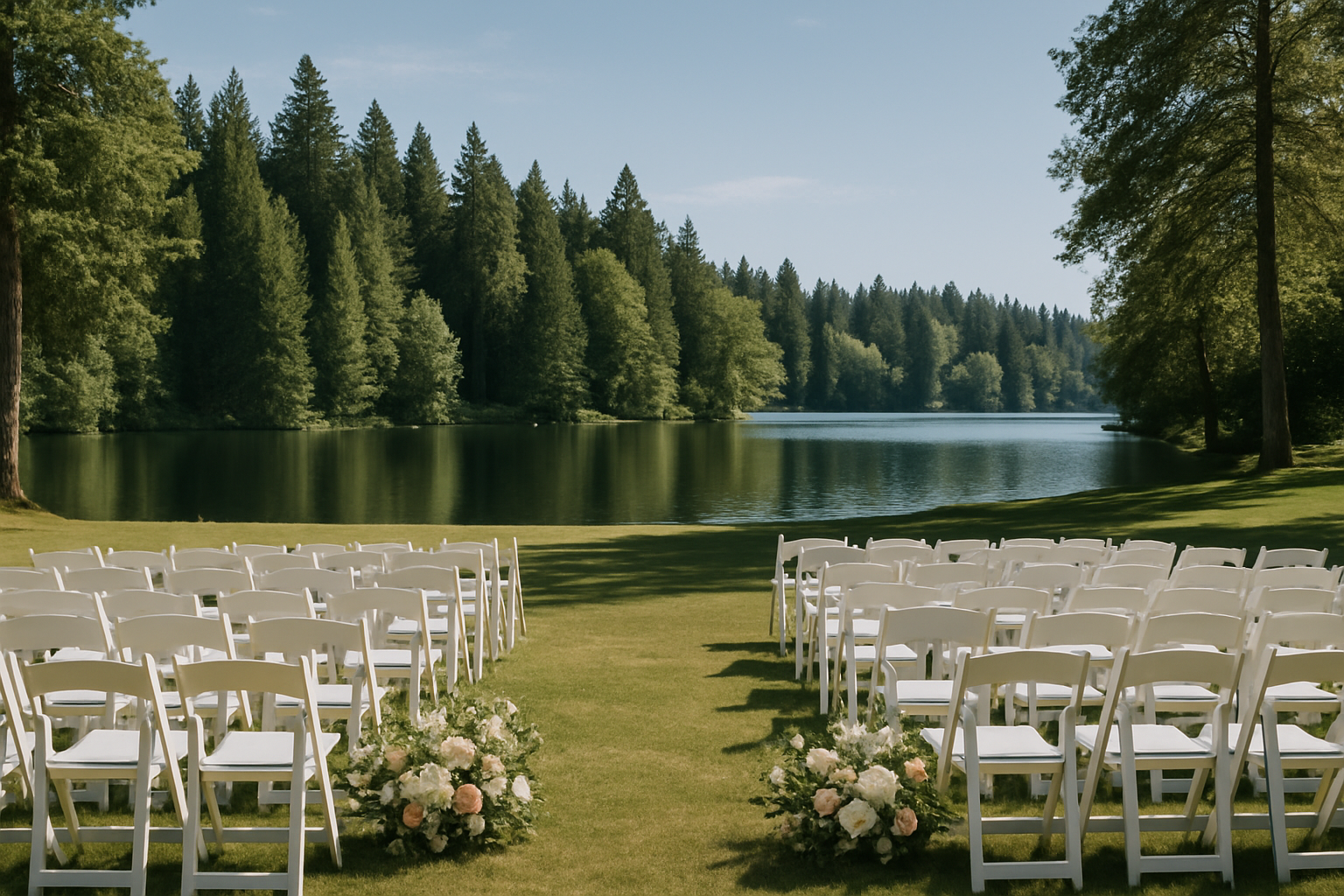

Couples in Cowlitz County mapping out summer wedding dates may find reassurance in long-term climate data: according to historical records maintained by the National Weather Service and NOAA, the period from roughly July 21 through August 4 is the driest stretch of the year in western Washington. Those records, which date back to the late 1800s, show the fewest rainy days during this two‑week window.
The trend, highlighted in regional coverage by MyNorthwest, aligns with patterns familiar to many local event planners, parks departments, and outdoor venues across Longview and Kelso. Summers west of the Cascades are already markedly drier than the rest of the year, but late July consistently stands out as the most reliable period for clear conditions.
Seasonal projections support that expectation this year. Outlooks issued by the Climate Prediction Center indicate elevated odds of warmer‑than‑average temperatures and below‑average precipitation for the Pacific Northwest during mid‑summer. According to those federal forecasts, the warm and dry signal includes the late‑July to early‑August timeframe.
For local wedding venues—from Lake Sacajawea’s landscaped areas to county parks and private rural properties—this timeframe often marks peak booking season. While year‑to‑year weather can vary, the historical pattern has remained consistent enough for many local organizers to build annual schedules around it.
These conditions also matter for community gatherings beyond weddings. Outdoor reunions, youth sports tournaments, festivals, and charitable events often lean heavily on the same dependable dry stretch. With several large outdoor events planned each summer in Cowlitz County, predictability can reduce logistical strain and improve accessibility for participants.
Why this matters
Southwest Washington’s climate makes it possible to hold major community events outside, but only during a narrow seasonal window. Long-term records from the National Weather Service and NOAA help local residents and planners make decisions rooted in documented patterns rather than guesswork. For couples securing venues months in advance—or organizations coordinating multi‑day gatherings—those records offer a measure of confidence during an otherwise unpredictable time of year.


Leave a Comment