

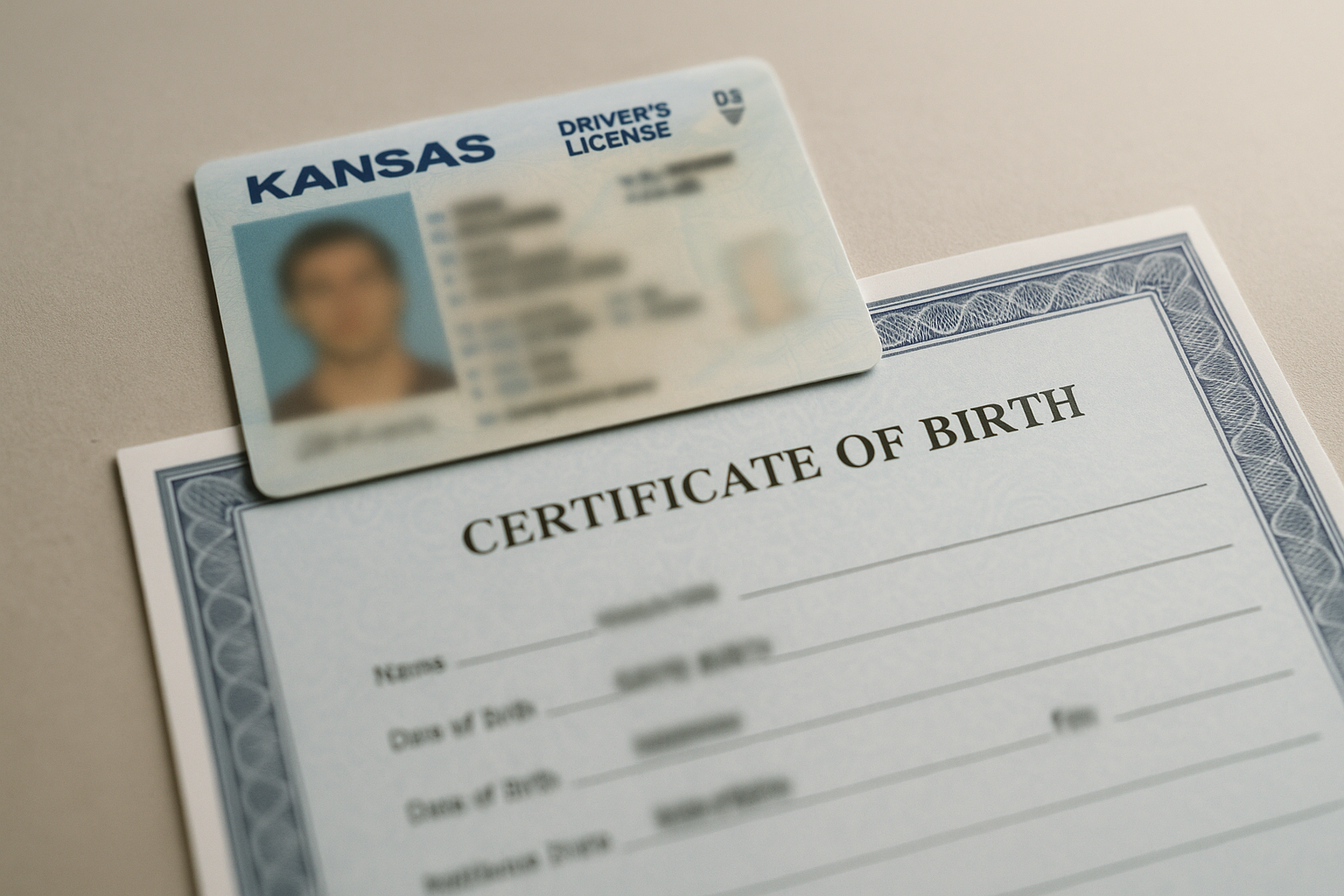

A new Kansas law set to take effect this week will require the state to invalidate roughly 1,700 driver’s licenses and up to 1,800 birth certificates previously updated by transgender residents. The measure, passed after the Legislature overrode Democratic Gov. Laura Kelly’s veto, mandates that state-issued identification reflect only the sex assigned at birth and nullifies any documents that do not. The development was first reported by the Associated Press through MyNorthwest.
Kansas now joins a small group of states that prohibit gender-marker changes on driver’s licenses or birth certificates, but it is the only state currently reversing changes already granted. According to Kansas officials, affected residents will receive mailed notices advising them that their licenses are no longer valid, requiring them to obtain replacements at their own cost.
While the law applies only within Kansas, it arrives amid a broader national push by Republican-led legislatures to restrict recognition of transgender identities in public documents, school policies, medical access, and public accommodations. Lawmakers in at least seven other states are considering bills that would limit or bar gender-marker updates on identity documents, according to data collected using the bill‑tracking platform Plural, though none of those proposals would retroactively undo existing changes.
For residents of Cowlitz County, the policy shift is geographically distant but part of a legislative pattern that has shaped debates in the Pacific Northwest. Washington permits transgender residents to correct gender markers on both driver’s licenses and birth certificates. No bills resembling the Kansas reversal have advanced in Olympia, but local advocates say national policy swings often influence political messaging and ballot measures at the county and municipal levels.
Administrators and service providers in Southwest Washington note that gender‑marker accuracy on identification can affect routine interactions — including law enforcement stops, medical intakes, school enrollment, airport travel, and housing services. Transgender residents have long reported safety concerns when documentation does not match their lived identity, describing increased exposure to harassment or denial of services.
Because Washington’s identification laws remain unchanged, no immediate administrative effects are expected locally. However, national shifts can shape expectations about compliance requirements in interstate travel, identification checks, or records transfers, and may influence policy proposals in the coming legislative cycles.
The Kansas law underscores how quickly administrative rules can change in some states, and how those decisions can cascade into broader policy discussions elsewhere. For many in Southwest Washington watching the national landscape, the development adds another data point in an ongoing debate about the role of state power in defining personal identity and regulating access to public life.
Sources:




Leave a Comment