

Oregon lawmakers are advancing a proposal that could redefine how the public accesses land in the rural West, with potential implications for residents of Columbia County and Cowlitz County who hunt, hike, or recreate across the Oregon border. Senate Bill 1545, introduced by state Sen. Anthony Broadman of Bend, would prevent landowners from pursuing trespass charges against people who step from one public parcel to another at a shared corner.
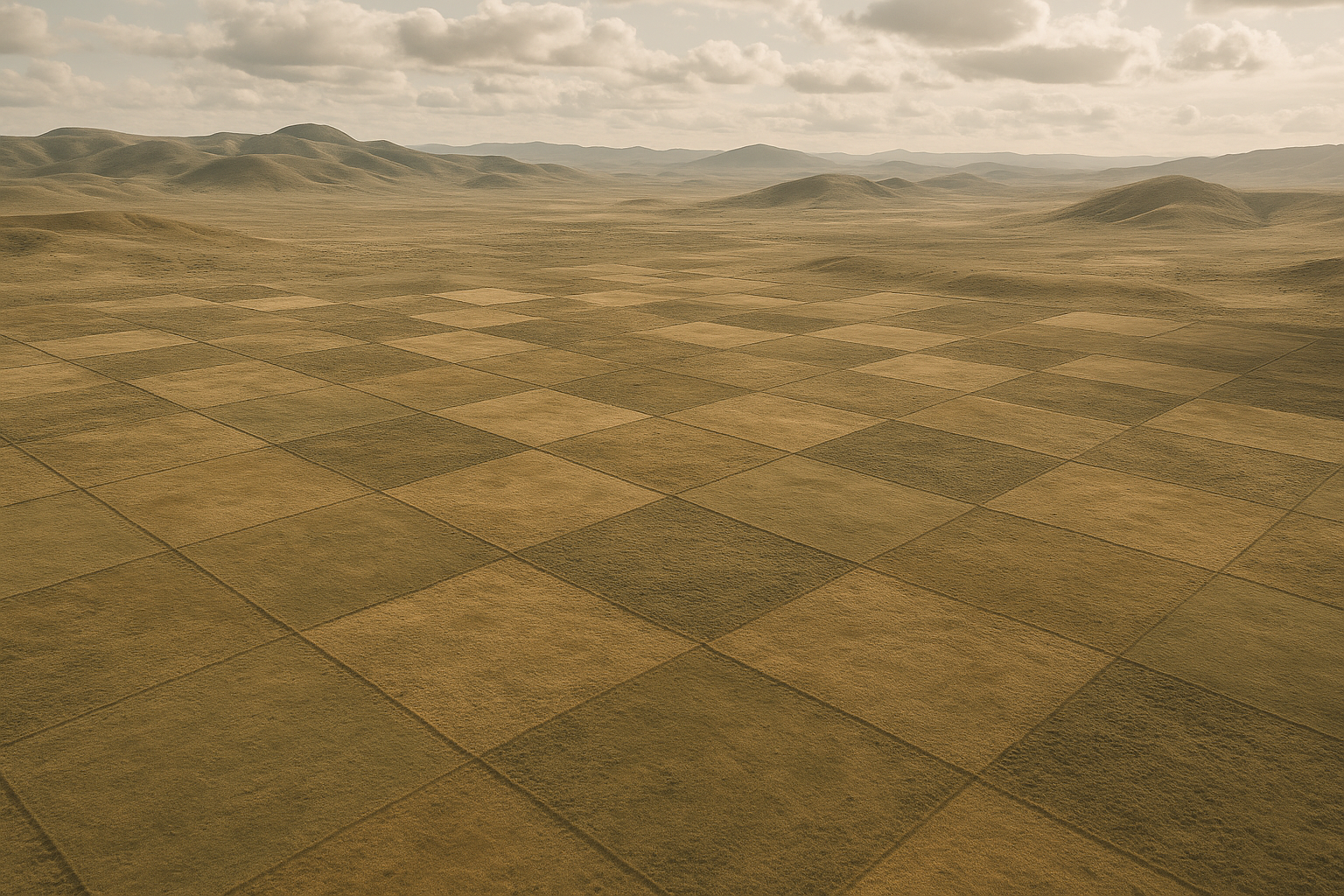
The measure, available through the Oregon Legislative Information System at SB 1545 overview, applies only to people crossing on foot. It responds to long‑standing access challenges created by the historic checkerboard pattern of Western land ownership — a grid of alternating private and public one‑mile squares created through 19th‑century railroad land grants. That grid has left hundreds of thousands of acres of federal public land effectively unreachable without stepping over a corner shared with private property.
Broadman, an attorney and avid hunter, argues the bill is about ensuring clarity for people following the rules. In an interview with OPB, he emphasized that responsible hunters and hikers should not face criminal or civil exposure for attempting to reach land already owned by the public. His legislative page is available at Oregon State Legislature – Sen. Anthony Broadman.
Support comes from outdoor‑access advocates and organizations including the Oregon Hunters Association, which has argued that legal certainty is a prerequisite to solving disputes about GPS precision or misplaced survey markers. The Association’s website is available at Oregon Hunters Association.
Landowner groups, including the Oregon Cattlemen’s Association, have publicly opposed the bill, citing concerns about inaccurate mapping tools, potential for misuse, and what they view as insufficient time for debate in Oregon’s short legislative session. The group’s website is at Oregon Cattlemen’s Association.
The debate mirrors a 2020 Wyoming case in which four hunters used GPS equipment and an aluminum ladder to move from one public section to another without touching private land. After years of litigation, the U.S. Court of Appeals for the 10th Circuit ruled that such corner crossings do not constitute trespass when no private land is physically stepped on. That opinion is posted at 10th Circuit Opinion 23‑8043. However, that ruling is not binding in Oregon, prompting state legislators to seek their own statutory clarity.
Kristin Kovalik of Oregon’s Trust for Public Lands, available at Trust for Public Lands, told OPB she supports clear laws that balance access to public land with respect for private property boundaries.
SB 1545 carries an emergency designation, meaning it would become law immediately upon Gov. Tina Kotek’s signature if passed during the current 35‑day legislative session.
For Southwest Washington residents who frequently hunt or recreate in nearby Oregon counties — including those who cross into Wasco, Sherman, Gilliam, or Umatilla counties for upland bird seasons — Oregon’s decision may directly affect where and how they can legally enter public land. The measure would not affect federal access rules in Washington, nor would it override posted restrictions, grazing leases, or active land‑use closures.
Why this matters for Cowlitz County
Many Longview and Kelso residents rely on public lands in northern Oregon for fall hunting or spring recreation. Confusion around corner crossing has historically discouraged some from attempting to reach lawful public ground. Clearer Oregon rules, if enacted, may reduce the risk of trespass disputes along the Columbia River Plateau and in high‑use areas of eastern and central Oregon. The bill may also become a reference point if Washington lawmakers decide to consider similar clarity in the future, particularly in counties with fragmented ownership patterns such as Klickitat and Yakima.
Local residents who recreate on both sides of the Columbia should be aware that the proposal is still under debate, and no change takes effect unless and until the Legislature passes the bill and the governor signs it.
Sources
- Oregon Public Broadcasting: Bill would allow Oregonians to ‘corner cross’ on public lands
- Oregon Legislature – SB 1545: Measure Overview
- U.S. Court of Appeals for the 10th Circuit: Opinion 23‑8043

Leave a Comment