

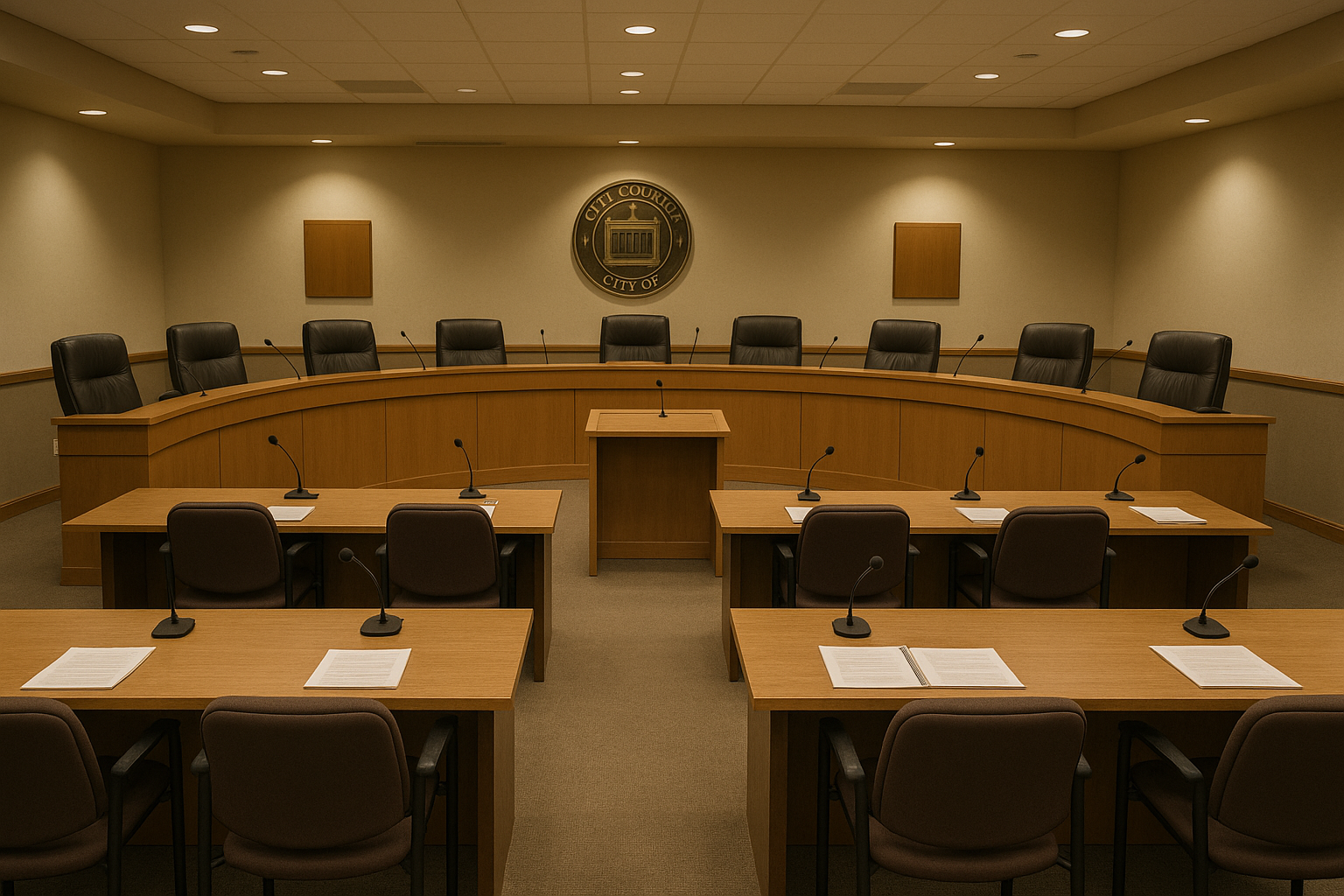

The Woodland City Council is again evaluating how to implement significant impact fee increases tied to future school construction needs, including a potential fourth elementary school identified in the Woodland Public Schools Capital Facilities Plan. According to the district’s planning documents, expansion of the urban growth area could provide both buildable land and expanded fee collection to support new classrooms, a point underscored in the district’s explanation of anticipated capacity demands in its capital plan, available through Woodland Public Schools.
City officials have already confirmed that school impact fees on new residential construction will rise sharply on Jan. 1, 2026. As outlined in a summary of council discussions published by Citizen Portal, single‑family school impact fees are scheduled to increase from $5,900 to $10,500, and multifamily fees from $5,900 to $13,600. These one‑time charges are collected with building permits and passed directly to the school district for capital projects; the city emphasized that they are not tied to ongoing property taxes, as noted in Citizen Portal reporting.
The city’s Planning Commission recently reaffirmed most of its original recommendation on impact fee updates after reviewing school district projections and related municipal code changes. Residents and developers have continued to press for recalculations, arguing that fee methodologies—particularly those used for school construction—may reflect capacity assumptions above near‑term needs. A December public comment described concerns that projected seat needs did not align with the cost basis used in proposed fee schedules, according to meeting summaries referenced by Citizen Portal.
The Planning Commission has also advanced updated fire impact fee recommendations, maintaining its position after reviewing capital‑facility updates from Clark County Fire Rescue. The proposed changes adjust residential rates downward while increasing commercial and industrial charges, as detailed in staff presentations summarized by Citizen Portal.
Any modifications to school or fire impact fees will require formal City Council adoption following public hearings and scheduled code readings. Council members have signaled interest in a phased approach but have not yet committed to a specific timetable. As of the latest discussions, Woodland’s elected officials continue to seek a balance between funding capital needs associated with growth and avoiding excessive upfront costs for residents and businesses.




Leave a Comment