

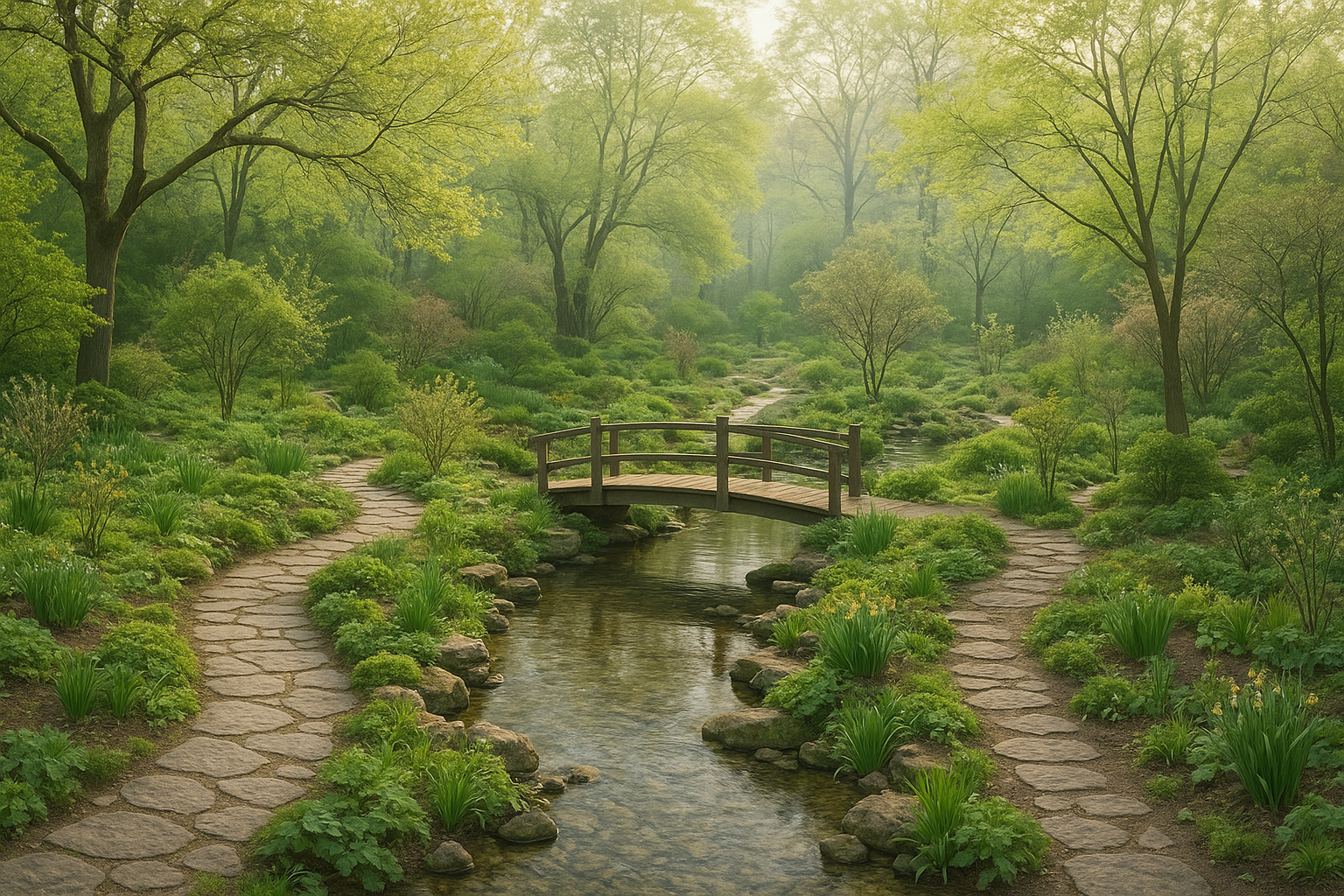

Leach Botanical Garden, a 17-acre city-owned greenspace in southeast Portland, could close to the public as soon as mid-March if its managing nonprofit, Leach Garden Friends, cannot secure emergency financial support. The organization said in a public appeal that its operating funds are nearly depleted following the expiration of its most recent contract with the City of Portland last summer.
For two decades, Portland has supported the nonprofit through direct operating subsidies. The most recent agreement, worth $1 million over three years, ended in June 2025 and has not been renewed. City Parks and Recreation officials said the contract was structured to gradually move the garden toward financial independence, consistent with City Council direction, though the nonprofit disputes that interpretation. The contract text itself stated that a new long-term agreement was expected before the end of the existing term.
Leach Garden Friends Executive Director Eric Vines said the organization’s reserves are almost empty after losing $350,000 in city funding. Despite efforts to increase donations, visitation, and memberships, the group projected a $50,000-per-month shortfall through the spring. The nonprofit says it is working with local leaders to restore $450,000 in operating support beginning in July, but that funding may arrive too late to prevent closure.
Beginning February 22, the garden plans to lay off 11 of its 22 employees, reduce remaining staff hours by half, and cut public programming by 90 percent. “We can’t keep offering the same level of service and programming with 27% less income,” said board president Bob Hyland.
The garden sits near the Lents neighborhood, one of Portland’s most socioeconomically diverse areas. It also serves as the host site for the Back 5 Community Habitat Enhancement Project, a collaborative effort among cultural and environmental organizations that provide hands-on ecological education to Black and brown youth. The program’s partners, including Wisdom of the Elders and the Johnson Creek Watershed Council, say their independent grant funding remains secure for now but acknowledge that the closure of the main garden could disrupt access and programming.
“We work with youth who don’t often have opportunities to connect with natural spaces,” said Marlee Eckman of the Johnson Creek Watershed Council. “We’re hoping to continue our educational activities within the Back 5 area even if public access to the rest of the garden becomes limited.”
If the garden closes, Portland would lose not only a historic botanical space but also an important hub for environmental restoration and equitable outdoor learning. Leach Garden Friends continues to seek donations and partnership assistance to extend operations through the summer budget cycle.
Original reporting by Oregon Public Broadcasting.