

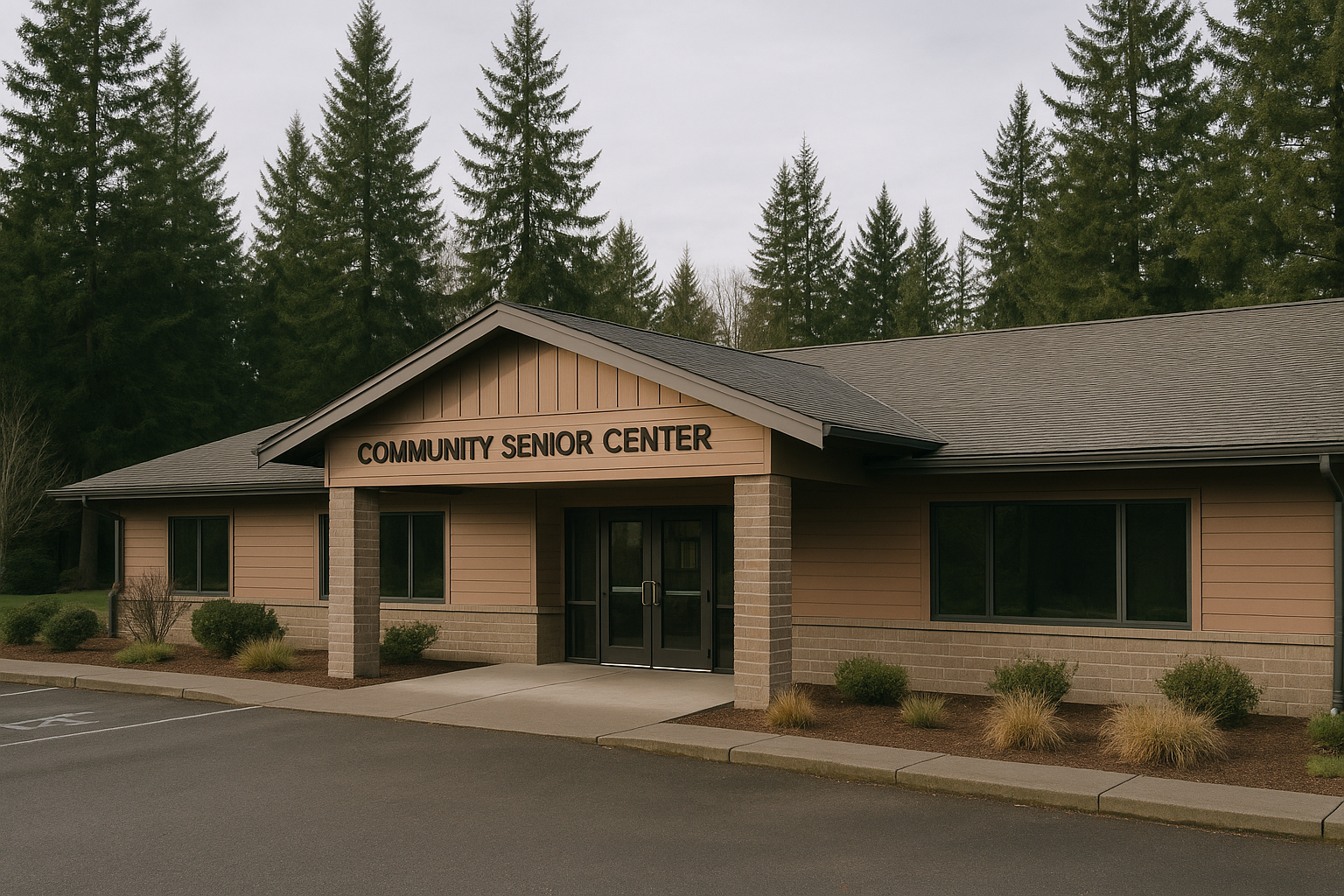

Lawmakers in the Washington House have unanimously advanced a proposal to make the state’s existing property tax exemption for multipurpose senior centers permanent. The measure, House Bill 2133, is sponsored by Rep. Stephanie Barnard, R‑Pasco. The bill was first reported publicly by The Reflector and is now confirmed through legislative records.
According to the bill text published by the Washington State Legislature at House Bill 2133, the proposal removes the expiration and review requirements associated with a tax preference first established in 2017. Under current law, the exemption for nonprofit-operated multipurpose senior centers is scheduled to end on January 1, 2028. Barnard’s bill would eliminate that sunset provision entirely.
The change aligns with findings from the Joint Legislative Audit and Review Committee, which concluded in a December 2025 report that the exemption fulfills its intended purpose of treating nonprofit senior centers similarly to government‑owned facilities. That evaluation is available through the Washington State Legislature’s audit portal at JLARC’s 2025 Tax Preference Review. The review recommended that lawmakers consider making the exemption permanent, citing its effectiveness and limited fiscal impact.
State revenue officials have also listed HB 2133 among the active property‑tax‑related proposals for 2026. The Washington Department of Revenue’s legislation tracker at 2026 Property Tax Legislation identifies the bill as one aimed at stabilizing long‑term tax treatment for senior centers.
If enacted, the measure would provide senior center operators across Washington — including those serving older adults in Cowlitz County — with long‑term financial certainty. Local senior centers often rely on a mix of nonprofit funding, grants, and community support. Supporters of the permanent exemption argue that removing the threat of sudden tax liability allows organizations to focus resources on meal programs, wellness classes, social activities, and other services that help older residents remain active and connected.
House Bill 2133 now moves to the Senate for further consideration. Any final legislation would take effect according to the timeline set after adjournment of the 2026 legislative session.