


Portland General Electric (PGE) has announced a $1.9 billion agreement to acquire PacifiCorp’s Washington electric utility operations, a move that would bring roughly 140,000 Washington customers under a newly formed PGE‑regulated subsidiary. The proposal, detailed in regional reporting by KOIN, represents one of the largest recent shifts in the Pacific Northwest’s utility structure.
PGE confirmed publicly that customers in both Washington and Oregon would not see increased costs as a result of the purchase, a position also reiterated in independent reporting from Right Now Oregon.
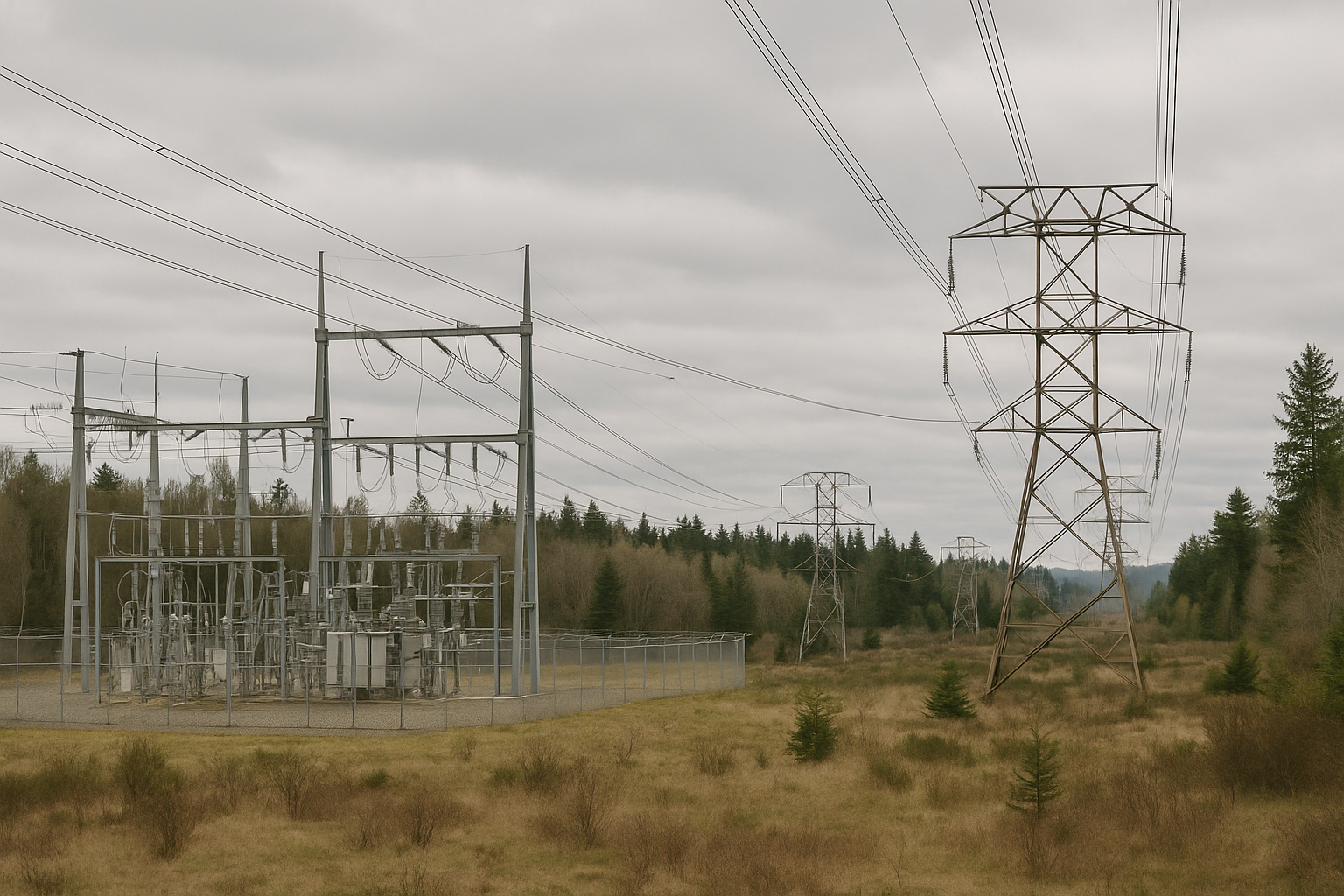
The acquisition includes the Chehalis natural‑gas plant, the Goodnoe Hills wind facility, the Marengo I and II wind sites, and roughly 4,500 miles of transmission and distribution lines. PGE plans to operate the Washington business as a separate subsidiary regulated by the Washington Utilities and Transportation Commission. According to a PGE-issued announcement, state and federal reviews are expected to take up to a year once filings are submitted.
While the acquisition footprint spans counties east of Cowlitz, the consolidation represents a significant regional development that could influence future infrastructure planning, cross-border energy reliability, and long-term rate design affecting southwest Washington’s interconnected grid. PacifiCorp’s decision to divest Washington retail operations marks a strategic retreat to focus on wholesale power and transmission, as noted in analysis published by AINvest.
PGE’s leadership emphasized projected operational stability and long-term financial benefits, stating the deal is expected to be accretive within the first full year after closing. Additional confirmation of these projections appears in filings summarized by StockTitan’s review of PGE’s SEC Form 8‑K.
Regulatory proceedings will determine the final scope, cost responsibilities, and consumer protections. For residents in southwest Washington—particularly those monitoring shifts in regional utility governance—the acquisition represents a material development in a sector that remains central to local economic stability and public oversight.