

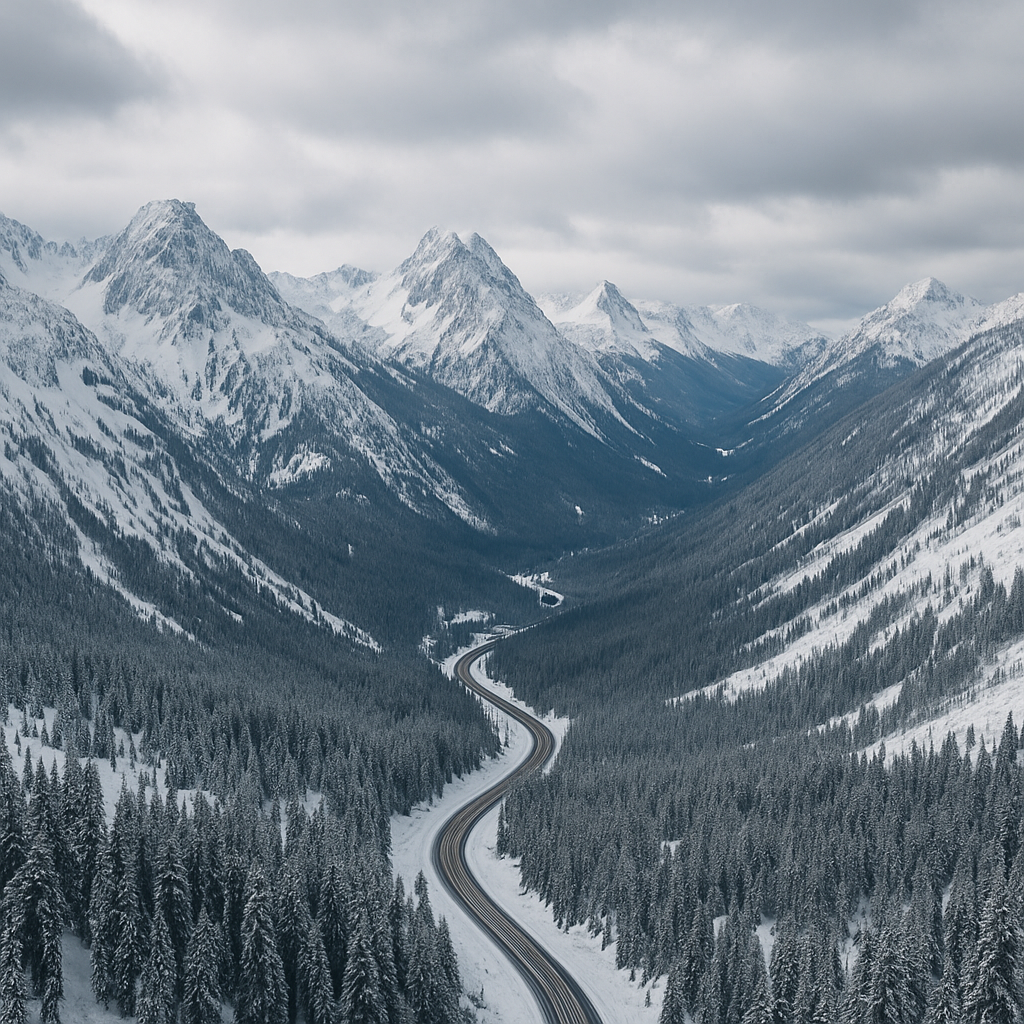

The long-awaited winter weather finally arrived in Washington’s Cascade Range this week, bringing a welcome boost to the regional snowpack after one of the driest December–January stretches on record. Mountain passes across the Cascades — including White Pass, Stevens Pass, and Snoqualmie Pass — reported several inches to more than a foot of new snow between Sunday and Tuesday, helping ski resorts and water managers breathe a collective sigh of relief.
According to weather data shared by the National Weather Service and regional forecasters, Snoqualmie Pass received roughly a foot of fresh snow, Crystal Mountain near Enumclaw saw up to 16 inches at higher elevations, and Mount Hood and Mount Rainier National Park reported similar totals. The snow followed a mild and largely snowless start to winter that left ski operations across the Northwest struggling to open terrain. Many lower-elevation slopes had been relying on artificial snow to maintain limited runs.
For Cowlitz County and other communities in southwest Washington, the snowpack is more than just a boon to recreation. Much of the region’s summer water supply depends on gradual snowmelt from the Cascades. The renewed snowfall offers some short-term relief for the watershed after concerns about low snow levels that could have impacted the Cowlitz and Columbia River flows later this year.
As temperatures are expected to remain cooler into early February, forecasters say additional snow is likely in the high country. This could help stabilize mountain access routes that have faced intermittent closures due to fluctuating freeze-thaw conditions. Transportation officials continue to urge caution for those traveling over the mountain passes, advising chains and preparedness for rapidly changing weather conditions.
For local skiers, snowboarders, and snowmobilers, the return of true winter conditions is a long-awaited gift. For water managers, it’s a hint of reprieve after an uneasy start to the season. But as climatologists remind residents, consistent winter storms will still be needed through March to bring snowpack back to historical averages — crucial for sustaining agriculture, wildlife habitats, and hydroelectric resources downstream.
Source: KOIN – Cascade snow finally returns. Here’s how much powder hit the mountains.




Leave a Comment