


Federal immigration officers—including ICE and Customs and Border Protection agents—are reporting morale “plummeting” as they grapple with relentless pressure, brutal quotas, and public contempt, according to recent reporting. These agents say they still support the deportation agenda in principle, but are growing increasingly disillusioned with how leadership is implementing it.
More than 20 current and former immigration officials spoke anonymously to The New York Times following the fatal shooting of 37‑year‑old ICU nurse Alex Pretti by a federal agent in Minneapolis. Agents cited crushing workloads, unrealistic arrest quotas, and the emotional toll of being demonized by both leadership and the public. “We lost all trust,” one ICE official reportedly said, while another warned they might not survive another three years under this strain.
Former border patrol officer Oscar Hagelsieb characterized the federal tactics as dumping a “500‑pound gorilla” into inner cities—“they’re causing chaos, and unfortunately it’s costing lives.” Calls supported by internal frustrations over aggressive “turn and burn” tactics—modeled on rapid sweeps ahead of protest escalation—have intensified. Observers, including Gil Kerlikowske, former Customs and Border Protection chief, condemned such moves as “far outside standard practices in law enforcement.”
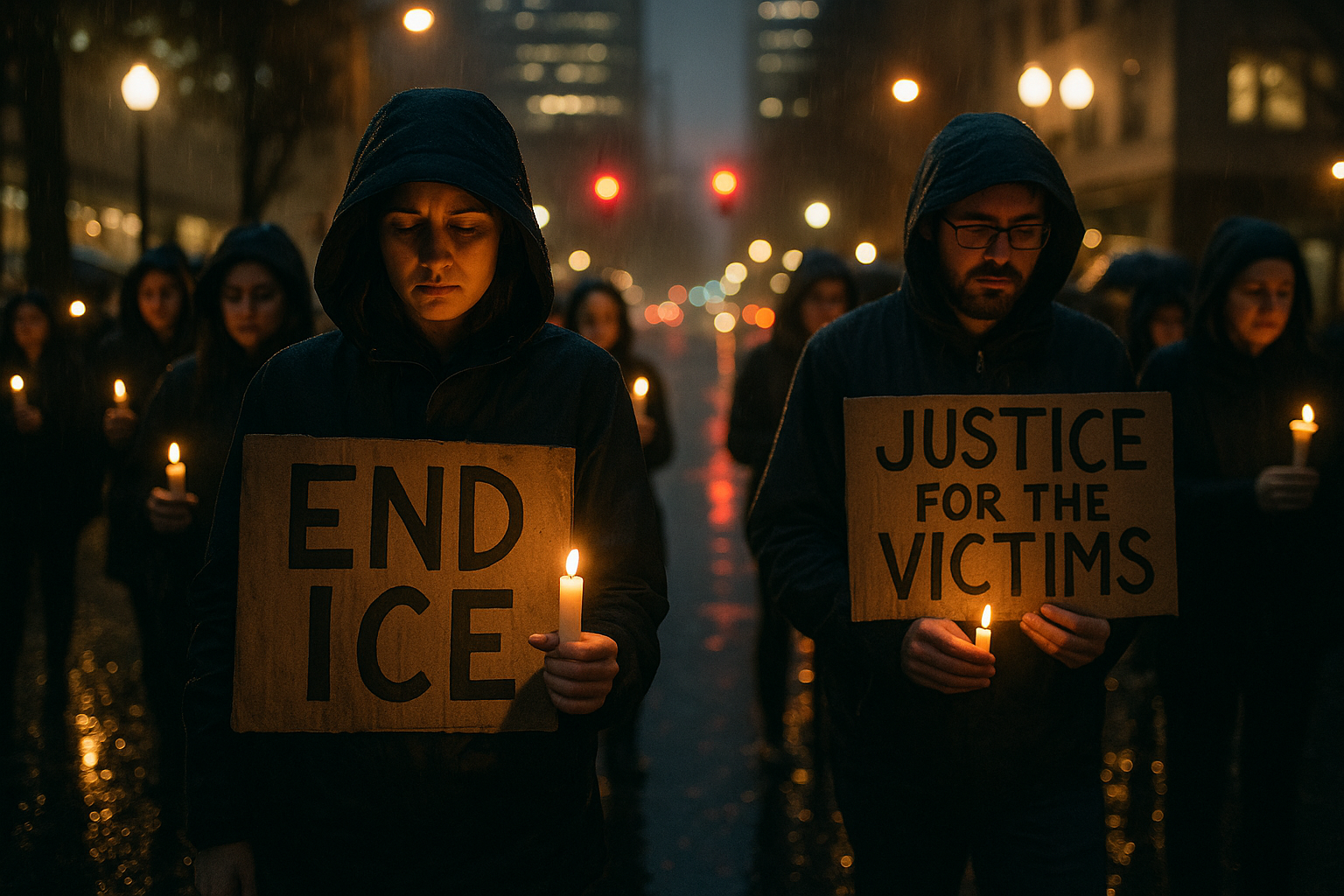
In Minneapolis, outrage has surged over the killing of Alex Pretti, a VA nurse reportedly shot after attempting to help someone during a protest. Recorded footage contradicts initial DHS claims that Pretti posed an armed threat—video shows him holding a phone, helping others, and being pepper-sprayed before being pinned and shot multiple times. Eyewitnesses and family members have denounced the DHS narrative as false and dehumanizing, while activists and local officials call for deeper accountability.
This unfolding crisis is local relevance for communities like Longview, Kelso, and greater Cowlitz County because it represents the violent consequences of unchecked federal overreach—especially when that power is applied near or in our urban neighborhoods. Similar ICE and CBP tactics could be deployed here, especially under aggressive mass-deportation policies or in response to local protests.
Our region’s communities—many with immigrant families and allies—deserve transparency and reassurance that enforcement won’t slide into militarized aggression or quota-driven chaos. For agents themselves, public hatred and internal disillusionment suggest deeper dysfunction: they’re burned out, mistrustful, and operating under a leadership that scapegoats them while advancing brutal policies.
It doesn’t have to be this way. True patriotism recognizes that the Constitution provides due process, civil rights, and checks on state power. When institutions like ICE devolve into abusive, militarized forces, they don’t just betray American values—they betray their own rank-and-file. The only sustainable path forward is accountability, reform, and community defense of constitutional liberties.
This local publication will continue monitoring whether similar patterns emerge in Southwest Washington—especially how federal enforcement pressure may infect our region. Communities must remain vigilant against the erosion of rights and stand in solidarity with vulnerable neighbors and conscientious public servants alike.
Sources:
- The Independent, “Morale is ‘plummeting’ among federal law enforcement…,” independent.co.uk
- The New York Times (via referenced reporting in The Independent)
- The Guardian, coverage of the Alex Pretti shooting and its fallout


Leave a Comment