

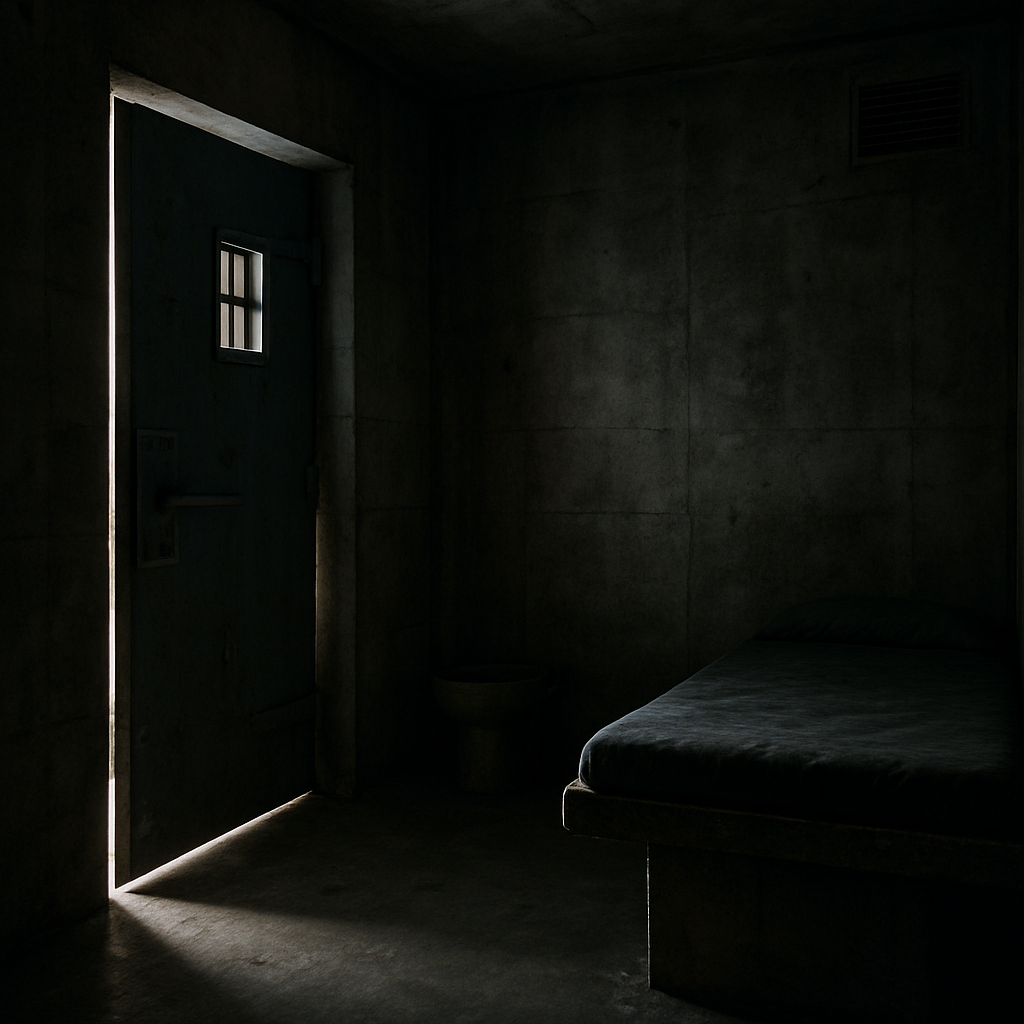

The State of Oregon has agreed to pay $2.3 million to settle a wrongful death lawsuit after a Department of Corrections officer allegedly encouraged a young inmate to take his own life inside a solitary confinement “black box” cell. The settlement, finalized on January 21, follows the 2022 death of 22-year‑old Grayson Painter inside the Oregon State Penitentiary in Salem.
According to court documents filed in Marion County, correctional staff subjected Painter to extreme isolation and verbal abuse after multiple arrests in Washington County between 2020 and 2022. The lawsuit alleged that at least one officer taunted Painter, urging him to kill himself rather than seek mental‑health care. Painter died by suicide shortly thereafter. The state’s payout does not include any admission of wrongdoing by the Oregon Department of Corrections (ODOC), but it effectively closes a case that activists and legal observers say exposed systemic cruelty in Oregon’s prison system.
The Painter family’s lawyers described the settlement as both a personal vindication and a warning about the hidden brutality of solitary confinement. Public attention to Painter’s case has reignited calls to ban extreme isolation practices in Oregon and neighboring Washington, where local activists have long warned of similar conditions in county jails — including Cowlitz County Jail in Longview, which has seen repeated allegations of neglect and inadequate mental‑health treatment.
“This isn’t a ‘bad apple’ story,” said civil‑rights organizer Kelly Underwood of Portland’s Alliance for Prison Accountability. “This is what happens when a system is built on dehumanization instead of rehabilitation.”
Oregon’s settlement echoes national trends. Across the Pacific Northwest, families of incarcerated people have increasingly turned to the courts to seek justice when internal oversight fails. The payout, one of the region’s largest in recent years for a prison‑related death, underscores what critics call the high financial and moral cost of institutional cruelty. Taxpayers now shoulder multimillion‑dollar liabilities while the state continues to rely on practices — like prolonged solitary confinement — that researchers have equated to psychological torture.
For residents of Southwest Washington watching this case unfold just across the Columbia River, the implications are not abstract. Local facilities often cite Oregon’s policies as administrative models. Painter’s death is a grim reminder that unchecked power behind prison walls endangers not only inmates but the public trust in law and justice itself. True patriotism, many argue, lies not in defending cruelty but in demanding transparency, humanity, and the abolition of systems that profit from suffering.
Read more at KOIN 6 News.


Leave a Comment