

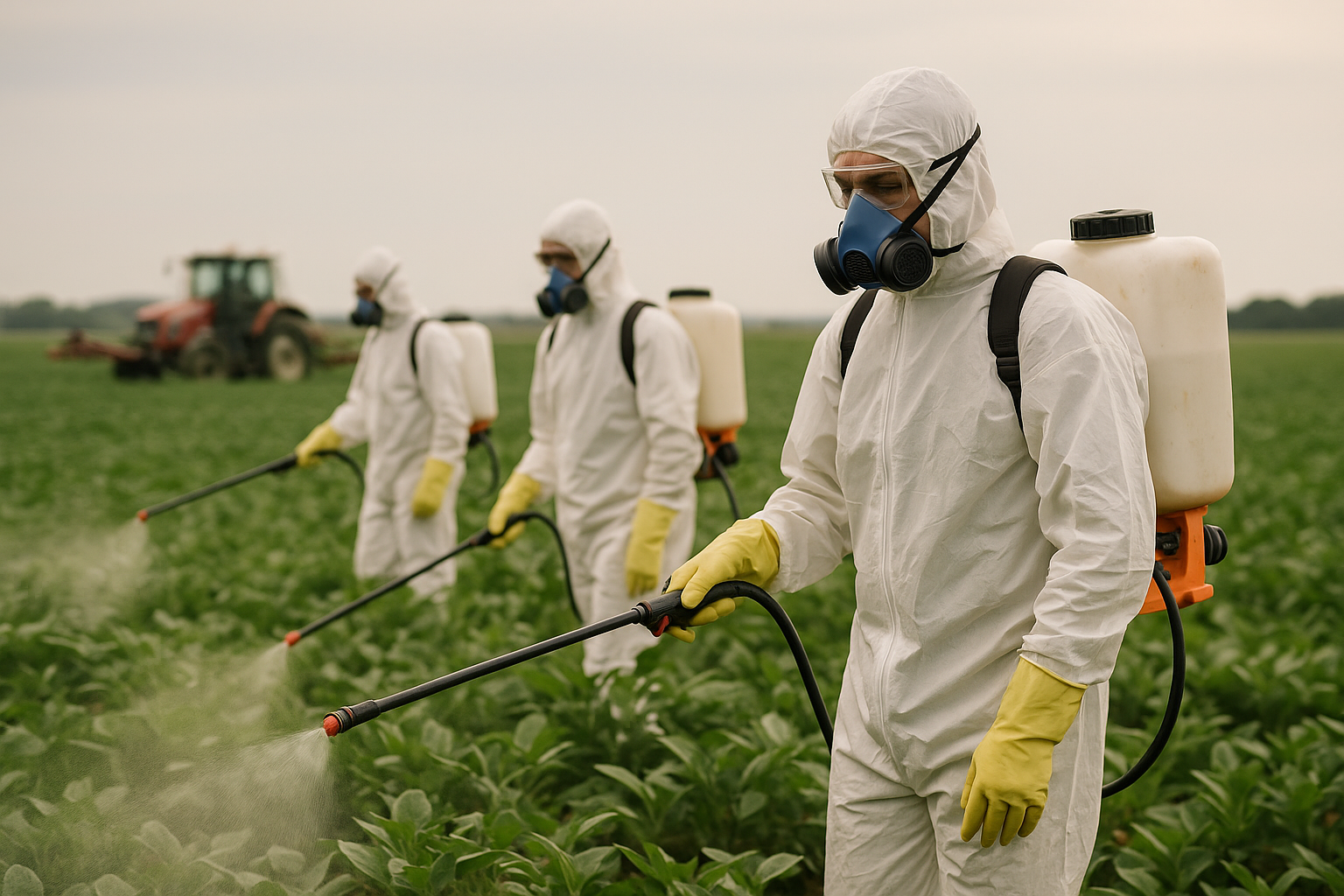

Agrochemical manufacturer Bayer has proposed a $7.25 billion nationwide settlement aiming to resolve thousands of lawsuits alleging that its glyphosate‑based herbicide Roundup causes non‑Hodgkin lymphoma. The proposal, outlined in a filing in St. Louis Circuit Court in Missouri, would still require judicial approval. According to reporting by the Associated Press in an article published by the AP, the settlement is intended to reduce uncertainty ahead of a U.S. Supreme Court review on whether federal pesticide labeling rules preempt state‑level failure‑to‑warn claims.
The company has maintained that glyphosate is safe, but escalating litigation costs have threatened its ability to continue selling Roundup in U.S. agricultural markets. Bayer CEO Bill Anderson said the proposed settlement offers a path toward closing out years of ongoing litigation. Details released by Bayer describe long‑term capped annual payments over as many as 21 years. That structure is outlined in the company’s public statement available through Bayer’s media release, which also emphasizes that the agreement includes no admission of liability.
For Cowlitz County, Roundup remains a common tool for both agricultural operations and residential weed management. The national litigation over its risks has spurred years of debate among farmers, grounds crews, riverfront property owners, and forestry operations that rely on glyphosate as a low‑cost herbicide. Any future changes in labeling requirements, regulation, or market availability could directly affect local land management practices.
In parallel with the settlement effort, the U.S. Supreme Court is preparing to hear arguments on whether Environmental Protection Agency approval without a cancer warning should shield manufacturers from state‑court claims. Reporting by the Times Union, in an Associated Press article accessible via this news report, confirms that this case will move forward independently of the proposed settlement.
Bayer’s statement indicates that, while the settlement covers both current and future claims from individuals exposed to Roundup before February 17, 2026, the Supreme Court case remains essential for determining whether label‑based warnings can be adjudicated at the state level. A ruling in that matter could influence future litigation and regulatory clarity nationwide.
Why this matters locally
Cowlitz County has a long history of agricultural, timber, and industrial land use where glyphosate products have been ubiquitous for decades. Farmers, landscapers, and homeowners may feel the impact if litigation outcomes lead to changes in availability, labeling requirements, or product liability standards. Regulatory shifts could also influence how public agencies manage vegetation along county roads, dikes, and river access points.
Local residents diagnosed with non‑Hodgkin lymphoma who believe they were exposed to Roundup may also be affected by the proposed settlement’s claims process if it receives court approval. According to reporting by CBS News, available at this CBS News coverage, qualifying individuals exposed prior to February 17, 2026, could be eligible to file claims under the long‑term structure.
The next major developments will come from the Missouri court overseeing the settlement approval process and the forthcoming Supreme Court arguments, both of which are likely to shape the future of glyphosate litigation and regulation nationwide. Any resulting changes in product labeling, liability standards, or market availability will have direct implications for land managers and residents throughout Cowlitz County.




Leave a Comment