

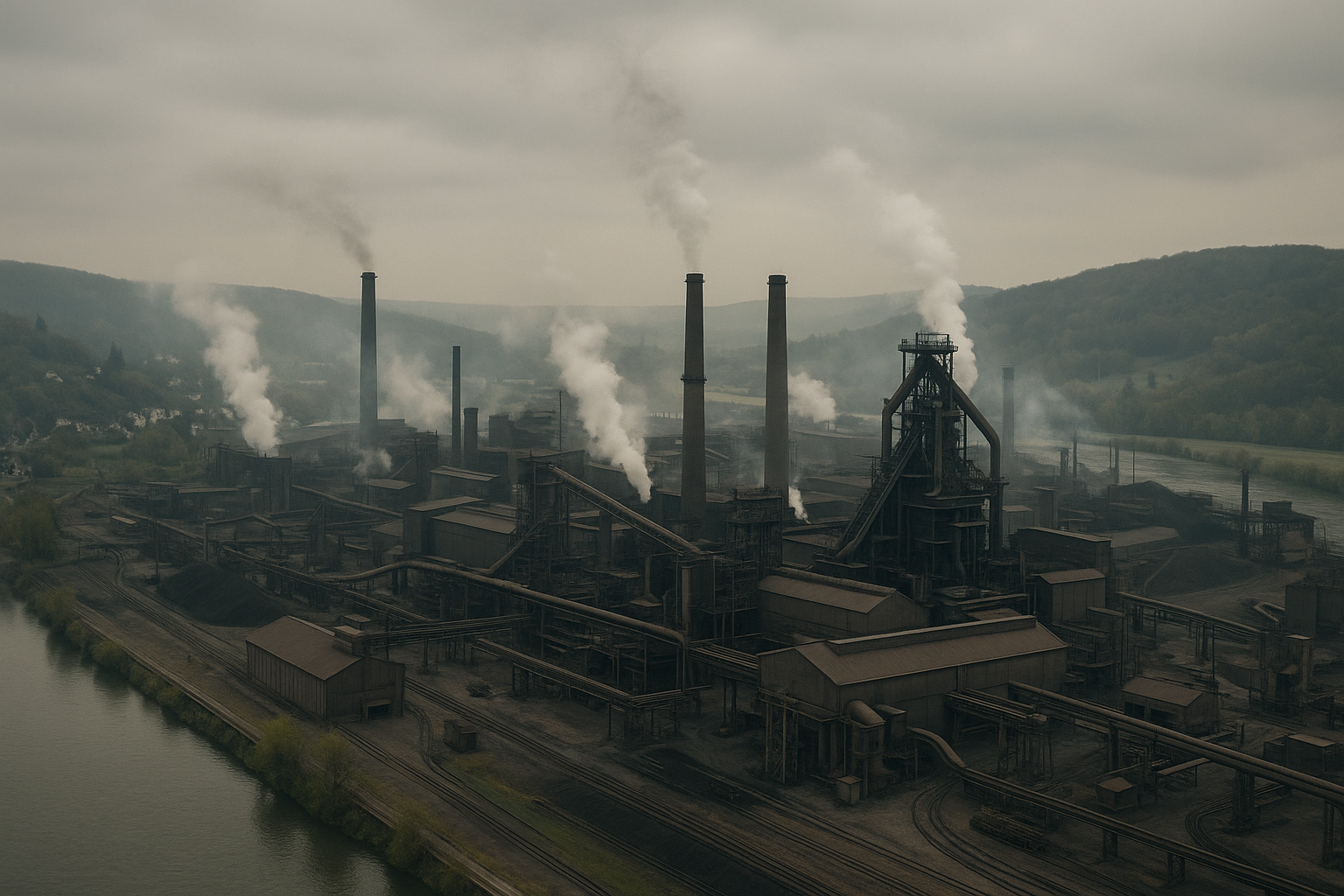

When reporters descended on Clairton, Pennsylvania — a small mill town sprawling along the Monongahela River — they found a community caught between hope and history. Six months after an explosion at the U.S. Steel Clairton Coke Works killed two workers, residents are weighing promises of renewal against generations of pollution, economic hardship, and broken pledges. The Japanese company Nippon Steel, which completed a $15 billion acquisition of U.S. Steel in June 2025, says it plans major reinvestment in American steelmaking. Yet, for now, the smoke still pours from Clairton’s coke ovens, and the air quality remains among the nation’s worst.
The people of Clairton live in the shadow of an industry that sustains them even as it sickens them — a paradox familiar across America, including in former timber and mill communities of Cowlitz County. Local leaders in Longview, Kelso, and smaller industrial towns along the Columbia River can recognize the dilemma: a single dominant employer promising stability, yet anchoring the economy in pollution and dependency.
According to Associated Press and Public Source reporting, Clairton residents meet this moment with both fatigue and determination. Mayor Jim Cerqua, a former mill foreman, ran on a message that bluntly acknowledged the city’s decline: “It is broke! We are going to fix it!” Residents like Dorcas Rumble and Miriam Maletta see the plant as both lifeline and curse — the only major source of jobs, but also the likely source of the cancers and breathing problems that plague their families. Environmental advocates are pressing for stronger oversight after decades of regulatory tolerance that allowed soot, sulfur dioxide, and benzene to flavor the air. Yet many locals, bound by family history and economic necessity, continue to hope that Nippon’s promised investments will reach their community.
Air-quality monitors have long identified Clairton as one of the nation’s hotspots for fine particulates, with asthma and cardiovascular disease rates far above national averages. The U.S. Environmental Protection Agency classifies coke-oven emissions as a known carcinogen. In Clairton, some 22 percent of children suffer from asthma — roughly triple the national rate. Researchers and residents alike link these health disparities to the mill’s emissions, which account for nearly two-thirds of Allegheny County’s industrial air pollution.
The explosion last August reignited debate about whether industrial renewal can coexist with environmental justice. Nippon has not yet disclosed whether its $2.4 billion in planned regional improvements will include upgrades to the aging Clairton facility. For families still recovering from the loss of loved ones and ongoing health concerns, assurances of corporate compassion ring hollow.
Similar questions are surfacing locally. In Cowlitz County, planned expansions in metal recycling, energy-intensive manufacturing, and future port development bring optimism alongside unease. Residents who remember Longview Fibre’s decline and the cleanup of the Reynolds aluminum site understand that economic redevelopment can leave ecological scars if oversight lags. As Clairton searches for a path forward, its story serves as a cautionary mirror for the Pacific Northwest: progress measured not only in paychecks and investment, but in breathable air and the health of those who call industrial towns home.
More on the Clairton story can be read via MyNorthwest, which features the original Associated Press collaboration with Pittsburgh’s Public Source.


Leave a Comment