

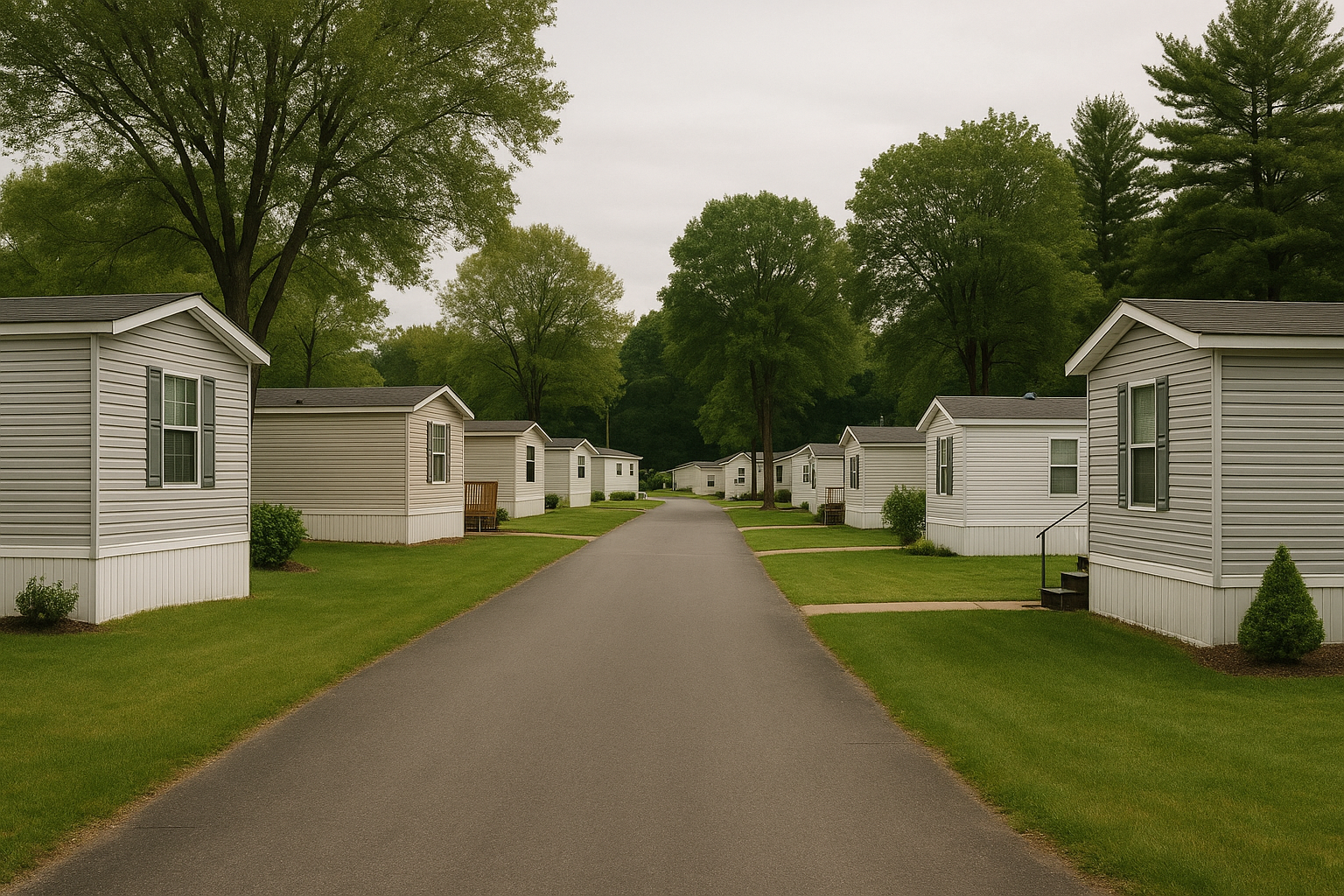

Clark County officials are preparing to decide whether to extend a moratorium that blocks redevelopment of mobile and manufactured home parks in unincorporated areas, a step county staff say is needed to protect low‑income homeowners while longer‑term zoning rules are drafted.
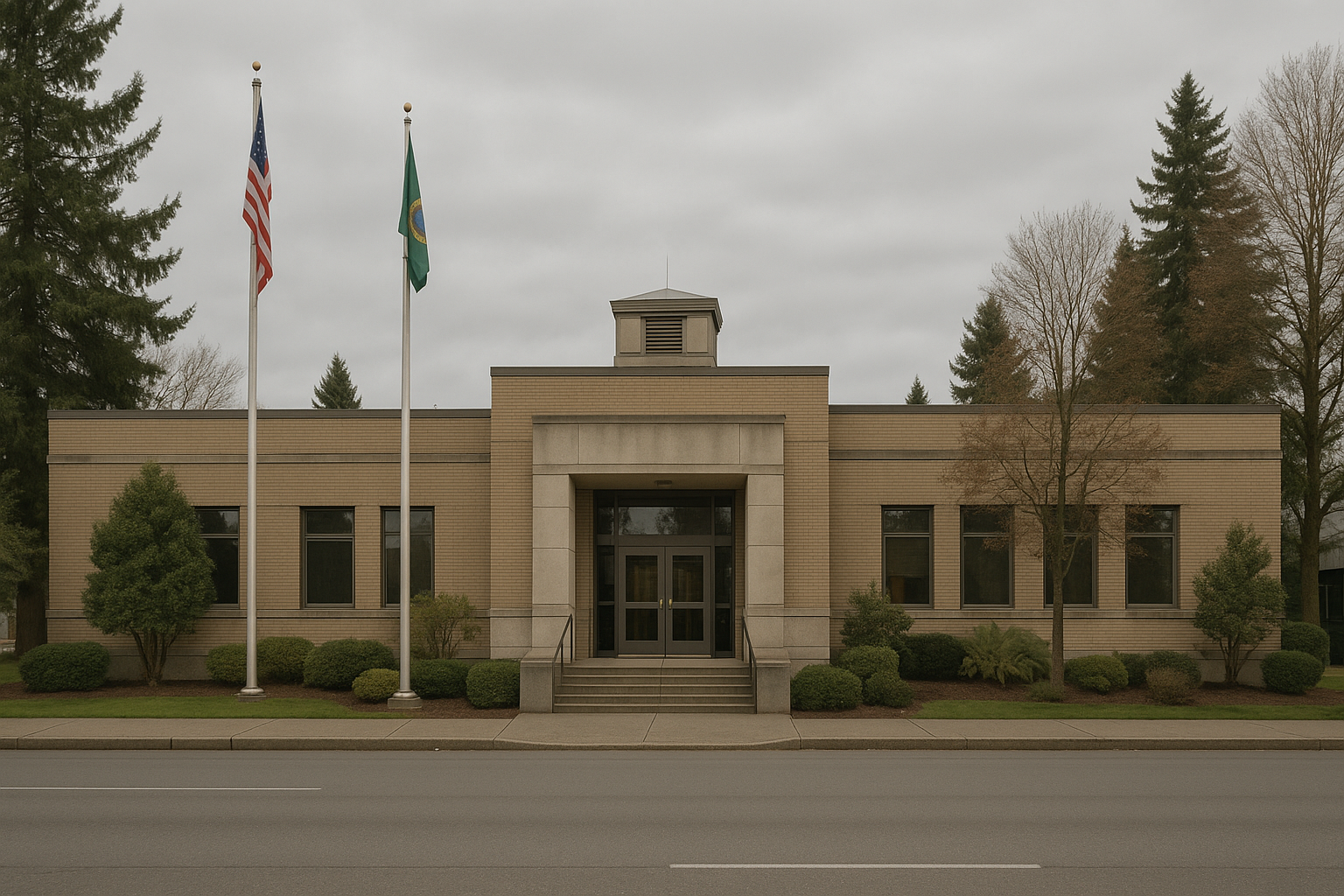
The Clark County Council is scheduled to hold a public hearing at 6 p.m. on Tuesday, Feb. 18, at the county building in downtown Vancouver. According to the county’s meeting agenda, councilors will consider extending the existing moratorium—currently set to expire on March 14—for up to one additional year. The proposal, as outlined in county briefing materials, would give staff more time to draft permanent land‑use protections aimed at preserving existing parks.
Manufactured and mobile home parks remain one of the few sources of naturally occurring affordable housing in the region. County documents prepared for Tuesday’s meeting identify 2,033 manufactured homes located in parks throughout unincorporated Clark County. While many more manufactured homes exist inside city limits—particularly in Vancouver—the county has no authority over municipal zoning or redevelopment rules.
Residents of these parks face a distinct vulnerability: they typically own their homes but rent the land beneath them. In recent years, lot rents in Clark County and elsewhere have climbed sharply. Reporting by Oregon Public Broadcasting, available at OPB, notes that in some parks rents have more than doubled over just a few years. Rising rents have made it difficult for current residents to stay, while also discouraging new buyers—particularly given that most manufactured homes cannot be easily moved. Many parks also serve older adults who rely on fixed incomes.
State lawmakers passed a rent stabilization law in 2025 that caps annual rent increases at either 10 percent or 7 percent plus inflation, whichever is lower. But Clark County officials, including Councilor Glen Yung, have expressed concern that tighter limits on rent increases could prompt park owners to pursue redevelopment instead. Yung said the moratorium’s purpose is strictly preventative; according to county Land Use Review Manager Brent Davis, no recent redevelopment applications have been filed.
The proposed extension would continue blocking redevelopment applications for the duration of the moratorium. County staff say the pause is necessary to craft new zoning or land‑use approaches that could balance resident stability with property owners’ ability to maintain and reinvest in their parks.
Inside Vancouver city limits, a parallel process is underway. City planners are preparing to release a new zoning classification specifically for manufactured home parks as part of Vancouver’s upcoming draft comprehensive plan. Planner Bryan Snodgrass said the model is based on an existing policy in Bellingham and would make it more difficult to rezone mobile home parks for other uses.
The regional backdrop remains challenging. Clark County recorded the highest per‑capita eviction filing rate in Washington in 2025. According to reporting by The Columbian, at this article, the county’s high filing rate reflects a widening gap between local incomes and housing costs.
County leaders argue that any long‑term solution for manufactured home parks will need to preserve affordability without completely eliminating redevelopment options under special circumstances. Yung warned that overly restrictive rules could leave park owners without sufficient revenue to maintain aging infrastructure, ultimately harming residents.
For now, the immediate decision is whether to extend the existing redevelopment moratorium through 2027. Details on the public hearing are available through the county’s meeting calendar at Clark County Council Meetings.
Why this matters for Cowlitz County
Mobile and manufactured home parks form a key part of the housing landscape across southwest Washington, including in Longview and Kelso. As neighboring Clark County updates its regulatory approach, local jurisdictions throughout the lower Columbia region may look to these policies as potential models—or cautionary examples—while addressing their own shortages of stable, low‑income housing.


Leave a Comment