

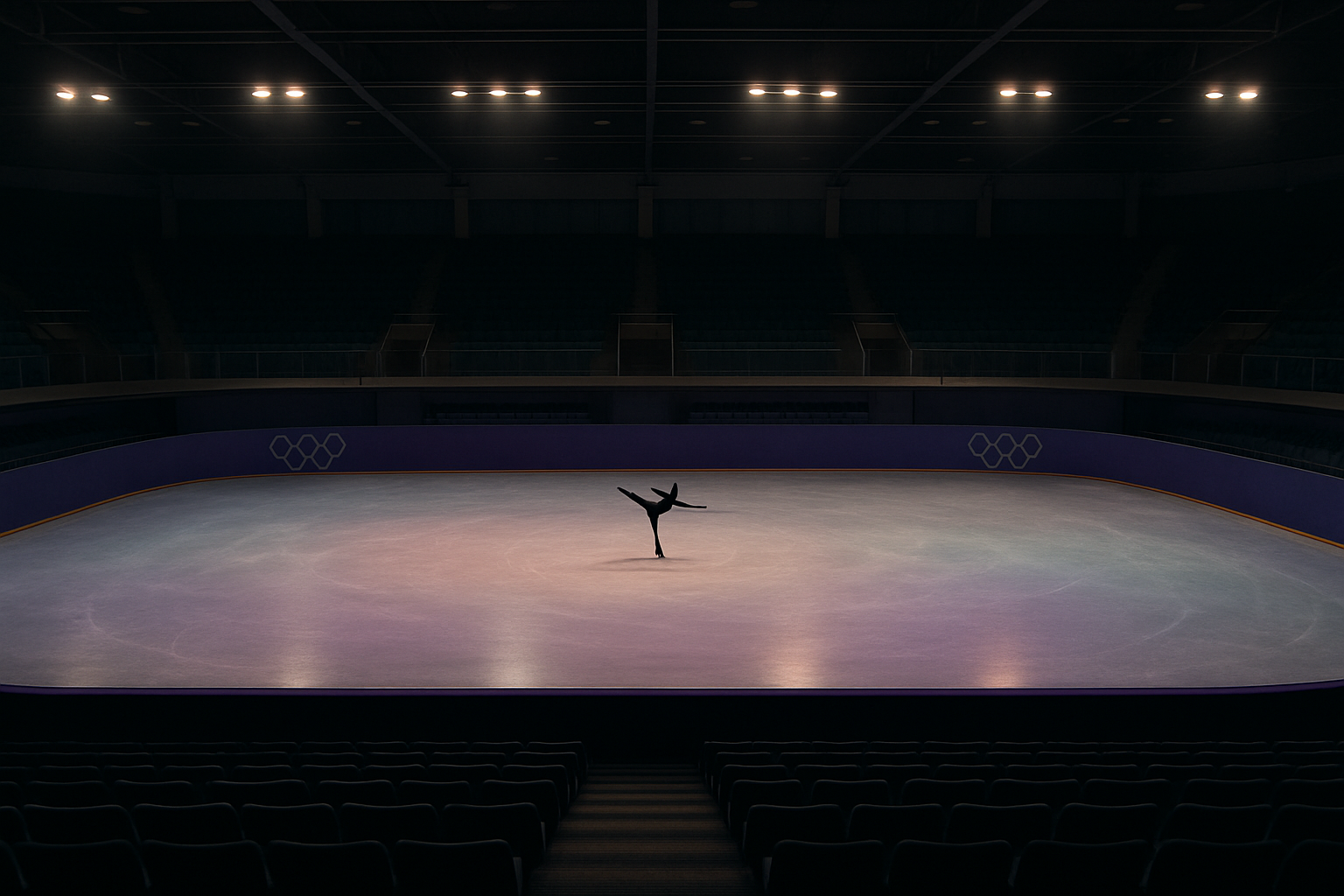

Figure skating routines at the Milan‑Cortina 2026 Winter Olympics are being beset by copyright woes—an issue that is reshaping the choreography of the sport and spotlighting the dizzying complexity of music licensing for international competition.
At the center of the controversy is American skater Amber Glenn, who helped the U.S. secure gold in the team event on February 8. She performed her free skate to “The Return” by Canadian artist Seb McKinnon—who produces under the name CLANN—only for him to learn via social media that his music had been used without his permission. McKinnon posted on X, asking, “Is that usual practice for the Olympics?” before later resolving the matter amicably with Glenn. Glenn described the mix‑up as a “hiccup” and expressed eagerness to collaborate in the future. The situation—which Glenn said stemmed from a miscommunication—highlights persistent confusion around music rights in skating. ([apnews.com](https://apnews.com/article/7fef2709962cd814f427474c6bf2a1c9?utm_source=openai))
Glenn had skated to “The Return” for almost two years without issue, complicating the question of where the licensing failure occurred. But she said the sport’s evolving approach to music—allowing lyrics since 2014—has moved it into legal gray areas previously unexplored. The U.S. Figure Skating team and the ISU now rely on systems like ClicknClear and guidance from rights organizations such as ASCAP and BMI, yet confusion persists for skaters navigating international permissions for broadcasts across multiple media formats. ([washingtonpost.com](https://www.washingtonpost.com/sports/olympics/2026/02/11/milan-cortina-olympics-figure-skating-glenn/7c11263c-0748-11f1-b196-5e1986b3575c_story.html/?utm_source=openai))
Amber Glenn’s case comes amid multiple high‑profile instances of licensing friction at these Games. Spanish skater Tomàs‑Llorenç Guarino Sabaté narrowly avoided having to scrap his popular short program set to a medley from the “Minions” franchise. Universal Studios had initially denied clearance, only relenting after public pressure this past week. ([theguardian.com](https://www.theguardian.com/sport/2026/feb/03/figure-skating-minions-music-copyright-olympics?utm_source=openai))
Russian (competing neutrally) skater Petr Gumennik was forced to change his short program just two days before competing due to licensing issues with music from the film “Perfume: The Story of a Murderer.” He pivoted to a classical piece, “Waltz 1805,” for which permissions were secured in time. ([washingtonpost.com](https://www.washingtonpost.com/sports/olympics/2026/02/11/milan-cortina-olympics-figure-skating-glenn/7c11263c-0748-11f1-b196-5e1986b3575c_story.html/?utm_source=openai))
Why this matters: Once a safe domain for skaters choosing public‑domain classics, figure skating now sits at the intersection of artistry, intellectual property—and international commerce. The 2014 ISU decision to permit modern music with lyrics opened the door to expressive, contemporary routines—but also to licensing pitfalls involving artists, record labels, publishers, film studios, and broadcasters. Olympic-level distribution further complicates matters across global platforms.
This licensing quagmire raises risks for skaters: sudden routine changes, performance disruptions, and reputational harm for perceived missteps. It also underscores a broader demand for systemic reform—whether that means clearer protocols, a centralized clearance system, or stronger institutional support for athletes navigating the licensing landscape.
At Milan‑Cortina, music is more than an artistic backdrop—it’s a legal tightrope. As skaters like Amber Glenn and Tomàs‑Llorenç Guarino Sabaté push creative boundaries, the sport’s governing bodies must match that creativity with clarity and legal foresight—so that skaters are judged on their artistry, not their paperwork.
Sources:
AP: “U.S. figure skater Amber Glenn resolves copyright issue with a Canadian music artist at the Olympics”
The Guardian: “Figure skater saved from scrapping Olympic routine after Minions music copyright dispute”
Washington Post: “Why are copyright problems plaguing figure skating at the Milan Cortina Olympics?”


Leave a Comment