

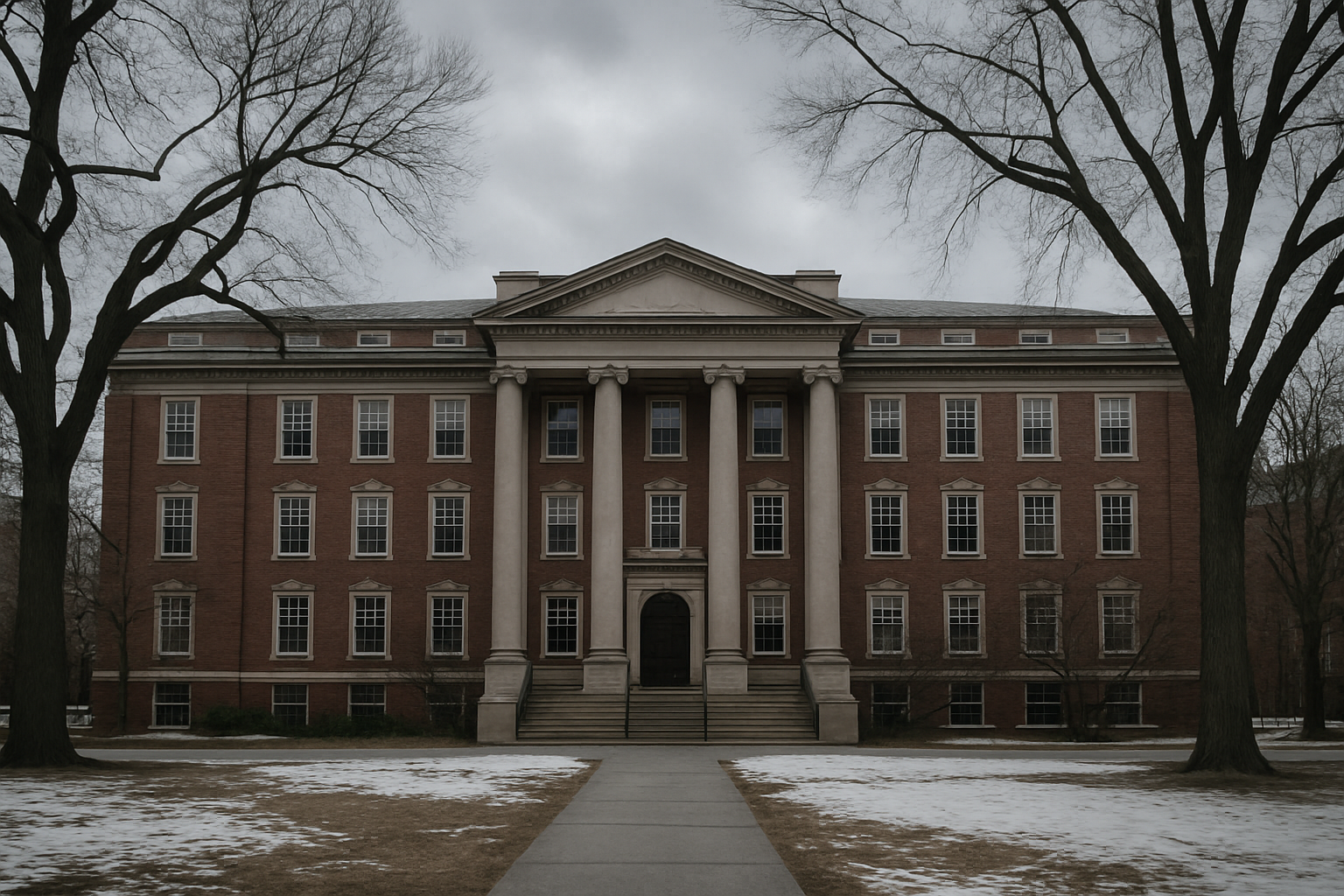

In a stark escalation of the Justice Department’s long‑running dispute with Harvard University, the DOJ filed a lawsuit on Friday, February 13, 2026, in U.S. District Court in Massachusetts, accusing the institution of obstructing a federal civil‑rights compliance review by failing to provide applicant‑level admissions data dating back five years. The Department seeks a court order compelling Harvard to hand over information including grades, test scores, essays, extracurricular activities, admissions outcomes, and applicants’ race or ethnicity across its undergraduate, law, and medical school admissions processes.DOJ press release ([justice.gov](https://www.justice.gov/opa/pr/justice-department-sues-harvard-university-withholding-race-related-admissions-documents?utm_source=openai))
The complaint alleges Harvard “thwarted” the investigation by “slow‑walking” document production, failing to comply with repeated deadlines and providing only aggregated or public data in May 2025—far short of the detailed materials sought by the DOJ.Harvard Crimson ([thecrimson.com](https://www.thecrimson.com/article/2026/2/13/justice-department-admissions-lawsuit/?utm_source=openai))
Attorney General Pamela Bondi, in a DOJ statement, framed the action as a push for accountability, saying, “Harvard has failed to disclose the data we need to ensure that its admissions are free of discrimination.” At the same time, Civil Rights Division head Harmeet Dhillon noted that if Harvard has indeed ceased any discriminatory practices, it should be willing to provide data to prove it.DOJ press release ([justice.gov](https://www.justice.gov/opa/pr/justice-department-sues-harvard-university-withholding-race-related-admissions-documents?utm_source=openai))
Importantly, the lawsuit does not accuse Harvard of continuing discriminatory conduct. Instead, it seeks only injunctive relief ordering compliance with the DOJ’s request. It claims Harvard violated Title VI of the Civil Rights Act by breaching obligations tied to federal financial assistance by refusing adequate cooperation.Harvard Crimson ([thecrimson.com](https://www.thecrimson.com/article/2026/2/13/justice-department-admissions-lawsuit/?utm_source=openai))
This legal challenge follows a 2023 Supreme Court ruling that barred race‑based affirmative action in university admissions nationwide—notably in the Harvard and University of North Carolina cases. The DOJ’s investigation, launched in April 2025, aims to determine whether Harvard continues to consider race, directly or indirectly, in its selection processes post‑ruling.Boston 25 News ([boston25news.com](https://www.boston25news.com/news/politics/justice-department/PPFD6IZIUU6SHDHMWW7GDQLNAE/?utm_source=openai))
Harvard has previously faced parallel scrutiny. In September 2025, the Department of Education’s Office for Civil Rights issued a “Denial of Access” letter, explicitly warning that the university’s failure to comply could result in enforcement action. That review similarly focused on whether Harvard continues using racial considerations in its admissions, in violation of Title VI.U.S. Department of Education ([ed.gov](https://www.ed.gov/about/news/press-release/us-department-of-education-issues-denial-of-access-letter-harvard-university-its-continued-failure-provide-admissions-data?utm_source=openai))
This lawsuit represents the latest flashpoint in the broader clash between Harvard and the federal government—marked by prior actions including freezing of federal research funding, threats to tax‑exempt status, and disputes over allegations of antisemitism and ideological coercion. While negotiations reportedly stalled last summer, President Trump recently reignited tensions by demanding up to $1 billion from Harvard as part of any deal—double an earlier figure he had floated.Associated Press ([apnews.com](https://apnews.com/article/6837b6877141fcb9be6beccc20e826ec?utm_source=openai))
Why This Matters
This case raises critical questions about institutional transparency and the enforcement of federal civil‑rights oversight in higher education. As a leading recipient of research funding and a model in elite academia, Harvard’s cooperation—or continued resistance—could set meaningful precedents for how colleges nationwide respond to post‑affirmative action compliance demands. In Cowlitz County and across Washington State, where college affordability, transparency, and fair access remain ongoing concerns, these questions resonate beyond Harvard’s campus.
Moreover, if the courts uphold the DOJ’s request, universities may face heightened pressure to open previously opaque admissions files to scrutiny—potentially shifting both public expectations and institutional behaviors systemwide.
What Comes Next
A hearing and court schedule have not yet been publicly announced. Future coverage will monitor whether the court grants the DOJ’s injunctive relief, and how rapidly Harvard responds if ordered. We will also track the case’s impact on other institutions undergoing similar reviews by the DOJ or Department of Education.
As of publication, Harvard has not issued a public response to the lawsuit.
Sources:
- U.S. Department of Justice press release via Justice.gov
- “Justice Department Sues Harvard Over Admissions Records,” Harvard Crimson
- Associated Press coverage, “Justice Department sues Harvard for data as it investigates how race factors into admissions,” AP News
- “Justice Department Sues Harvard for Applicant Admissions Data,” Bloomberg Law
- “Harvard sued by Justice Department over access to admissions data,” Boston 25 News
- U.S. Department of Education “Denial of Access” letter, ed.gov


Leave a Comment