


Stephen Colbert’s claim this week that CBS withheld his interview with Texas state lawmaker and U.S. Senate candidate James Talarico due to federal guidance on political airtime has sparked a broader debate over how the Federal Communications Commission’s equal‑time rule is being interpreted in 2026. While the incident unfolded on a national stage, the underlying regulatory shift could shape how Southwest Washington broadcasters handle candidate appearances during a competitive election year.
According to reporting by MyNorthwest, CBS said its lawyers warned that airing the interview on broadcast television could trigger Section 315 of the Communications Act of 1934, which requires stations to offer equivalent on‑air time to legally qualified candidates running for the same office. While the rule contains exceptions—such as bona fide newscasts, interviews, or documentary programming—recent guidance from the FCC has signaled a narrower reading of those exemptions.
In January, the FCC published a notice outlining its view that interview segments on late‑night and daytime talk shows may not meet the criteria for a bona fide news exemption unless individually reviewed. The public notice is available through the FCC as DA‑26‑68A1. According to that document, the agency stated it had not been shown evidence that current talk‑show interview segments qualify as exempt news programming. The notice also instructed networks to seek program‑specific exemptions going forward.
Colbert told viewers that CBS executives informed him the Talarico interview could trigger equal‑time requirements for Talarico’s opponents in the March 3 Democratic primary. CBS ultimately published the full interview online instead of airing it during the broadcast portion of “The Late Show,” which would not implicate FCC rules because equal time applies only to broadcast television and radio—not cable, streaming, or social media.
The FCC’s renewed scrutiny of talk shows has drawn national attention since 2025, particularly after comments from FCC Commissioner Brendan Carr questioning whether certain programs are “motivated by partisan purposes.” Carr has previously suggested that examining whether ABC’s “The View” qualifies for the exemption may be “worthwhile.”
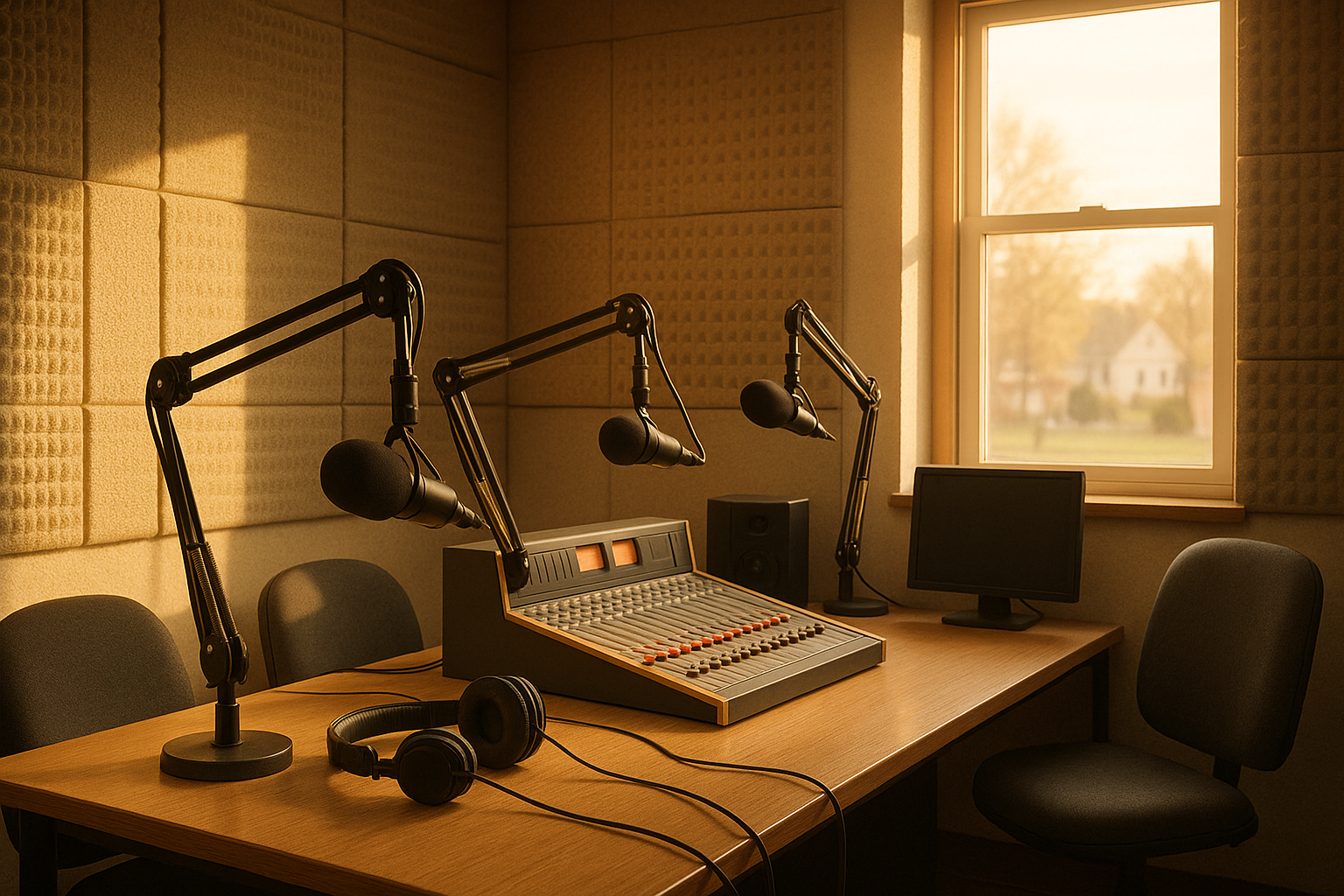
Local broadcasters—especially AM and FM radio stations serving Cowlitz County—are monitoring these developments closely. Candidate interviews are a staple of regional political coverage, especially during primary season, and stations must document how they handle requests for comparable airtime. While the equal‑time rule does not require identical scheduling, it does require stations to offer comparable opportunity if another candidate formally requests it.
Stations in Longview, Kelso, and surrounding unincorporated communities routinely feature interviews with local candidates for city council, county offices, and legislative positions. The FCC’s updated posture toward what constitutes a qualifying exemption may mean local program directors take a more cautious approach when scheduling candidate discussions on non‑news segments or personality‑driven shows.
Because Washington’s 2026 primary elections will include multiple contested races—from county commission seats to the Third Congressional District—the equal‑time rule is likely to resurface as campaigns seek visibility across the region’s limited broadcast spectrum. For community stations, the shift underscores the importance of clear internal policies distinguishing bona fide news programming from entertainment or commentary formats.
Why this matters locally
Broadcast radio remains a major source of civic information in Cowlitz County, particularly in rural areas where online access is inconsistent. Any tightening of federal expectations around candidate airtime could affect how often local candidates appear on-air, what kinds of shows can feature them, and how quickly stations must respond to competing requests. With national scrutiny rising, regional broadcasters may err on the side of stricter compliance—potentially reducing the variety of election‑year conversations available to the public.
The equal‑time rule does not dictate which candidates must be invited, nor does it require political balance in coverage. It simply requires that once a legally qualified candidate appears on a station’s broadcast programming outside of an exemption, others in the same race must be offered comparable time. In a small media market with limited staffing and airtime, meeting those obligations can be operationally challenging.
As the 2026 election season accelerates, Southwest Washington voters may notice more candidate segments shifting to online platforms, echoing CBS’s decision with the Colbert interview. Whether this becomes a widespread local trend will depend on how strictly broadcasters interpret the FCC’s January guidance.
Sources
MyNorthwest: What to know about the ‘equal time’ rule Stephen Colbert says led CBS to pull his Talarico interview
Federal Communications Commission: Public Notice DA‑26‑68A1



Leave a Comment