

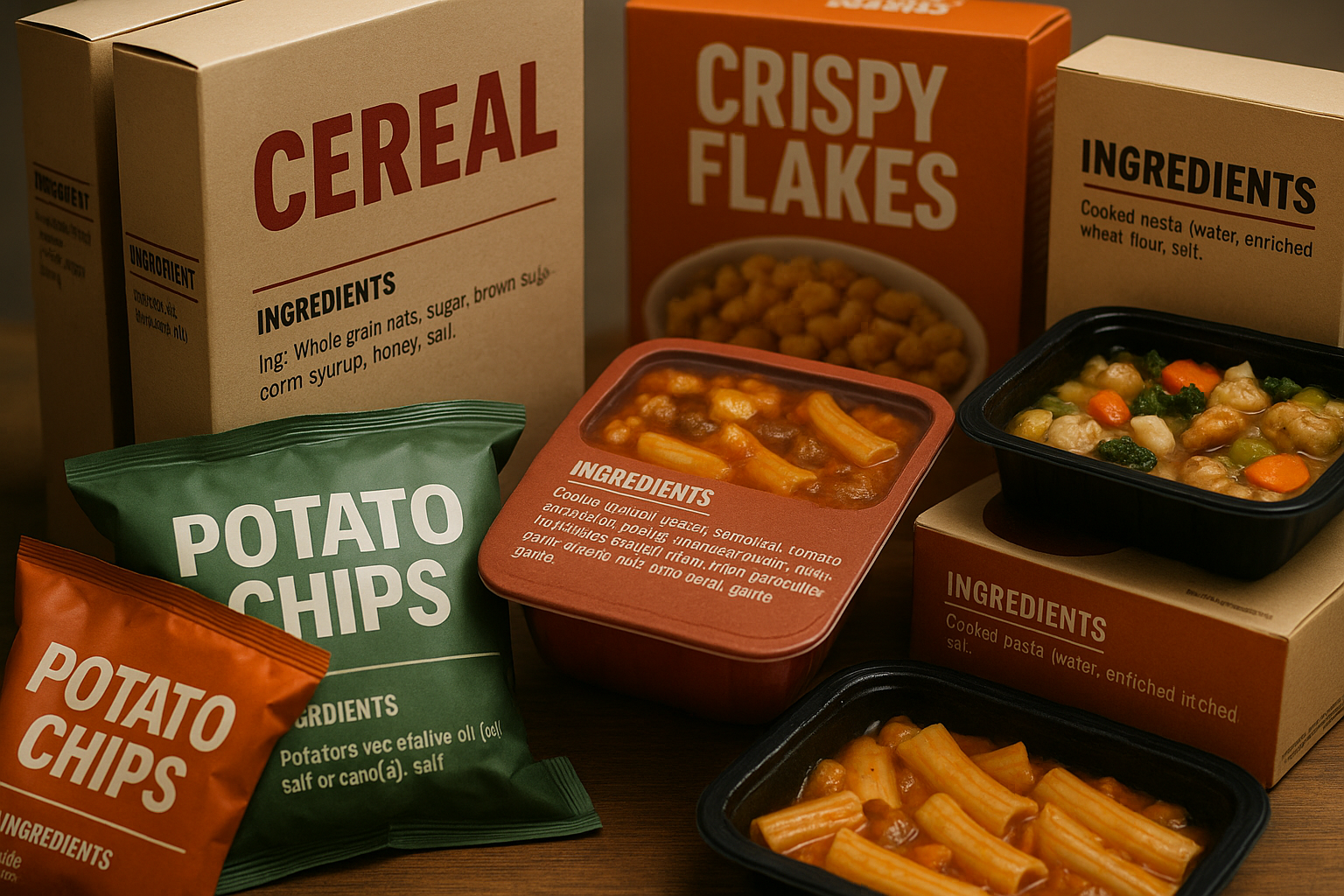

The U.S. Food and Drug Administration on February 10, 2026, launched a comprehensive reassessment of butylated hydroxyanisole (BHA), a chemical preservative commonly found in snack foods—from potato chips and cereals to frozen meals and meat products. The agency issued a formal Request for Information to determine whether BHA remains safe under its current conditions of use in food and as a food contact substance, citing concerns rooted in scientific evidence and public health accountability.
The reassessment aligns with the FDA’s enhanced, systematic program to review existing food chemical additives—part of a broader initiative begun in May 2025 to strengthen post-market oversight of chemical substances already in the food supply. BHA has been identified as a top priority for review under this updated framework.
BHA has a long regulatory history: declared “generally recognized as safe” (GRAS) in 1958 and approved as a food additive in 1961. However, in 1991 the National Toxicology Program designated BHA as “reasonably anticipated to be a human carcinogen” based on animal studies. Public interest groups, including the Center for Science in the Public Interest, have repeatedly criticized its continued use, citing evidence of cancer risks in rodents and hamsters. California’s Proposition 65 has listed BHA as a known carcinogen since 1990.
Though package labeling indicates BHA usage has declined in recent years, it remains present in numerous products—including those marketed toward children. The FDA’s Request for Information seeks up-to-date data and stakeholder input to inform its review.
Why This Matters
This reassessment marks a pivotal shift from decades of deferred action and regulatory inertia. For Longview, Kelso, and the broader Cowlitz County, where food access includes widely distributed processed and packaged goods, the outcome could influence product composition and consumer safety within our community.
Moreover, the review’s emphasis on protecting children—who may be particularly vulnerable due to higher exposure relative to body weight—underscores the local public health stakes of federal food chemical policy. The decision may also preempt state-level actions; for example, West Virginia recently banned BHA starting in 2028, signaling a growing trend of state-level precaution in the absence of federal limits.
What’s Next
The FDA is accepting input through its Request for Information, which will shape the scientific assessment of BHA’s safety. Depending on the review’s outcome, the agency could move to restrict or remove BHA from the food supply. The reassessment may also serve as a model for future evaluations of other chemicals, such as BHT and azodicarbonamide, already flagged for review under the FDA’s strengthened oversight program.
ColumbiaCountercurrent.com will continue to monitor developments and inform local readers if and how these federal changes translate into new food safety standards, regulatory actions, or changes in product availability at the community level.


Leave a Comment