

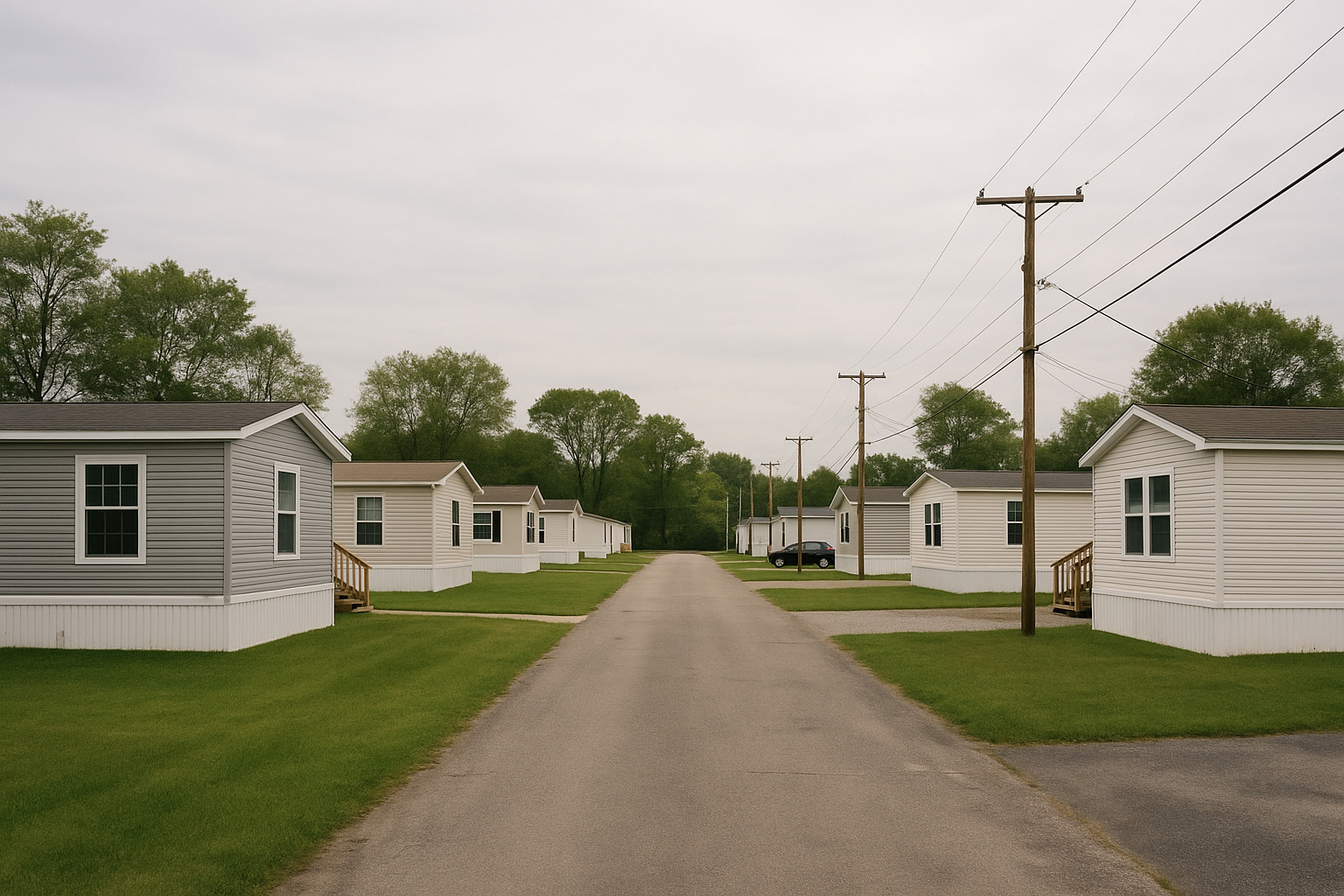

U.S. Rep. Marie Gluesenkamp Perez’s effort to lower utility costs for residents of manufactured and mobile homes is now federal law, following the inclusion of her bipartisan efficiency measure in the Consolidated Appropriations Act signed in March 2024. The congresswoman highlighted the change in a recent video filmed at the Vista Del Rio Mobile Home Community in Vancouver, first reported by The Reflector.
The new provisions direct federal agencies to support replacement of outdated, energy‑inefficient manufactured homes with modern units built to current efficiency standards. According to congressional documents and public statements issued at the time of passage, the goal is to reduce long‑term power costs for households that typically face higher per‑square‑foot energy burdens than site‑built homes.
Manufactured homes make up a significant portion of the housing stock across southwest Washington, including in Longview, Kelso, and unincorporated Cowlitz County. Many older units—particularly those built before federal manufactured‑housing construction standards were updated in 1976 and again in later decades—lack insulation, efficient windows, or modern heating systems. Residents who rely on electric resistance heat or aging furnaces often report monthly energy bills that consume an outsized share of fixed or low incomes.
Under the newly enacted program, qualifying homeowners may become eligible for federally supported replacement of substandard units. Implementation details, including timelines, income thresholds, and specific upgrade pathways, will depend on forthcoming federal rulemaking. Agencies typically phase in such programs over multiple years, and no local enrollment process has been announced.
Cowlitz County contains several manufactured‑home communities with large concentrations of seniors, working families, and residents living on disability benefits. Local housing advocates have long noted that efficiency improvements in this segment could deliver immediate financial relief for some of the region’s highest‑burdened households. While the law does not dedicate funds specifically to any county, its impact will depend on whether residents, park owners, and local housing organizations are able to navigate the application structures once they open.
In her video message, Rep. Gluesenkamp Perez framed the measure as a practical step to reduce monthly bills for rural and working‑class residents. Congressional summaries of the legislation describe it as a cost‑saving and emissions‑reducing initiative with bipartisan support.
As federal agencies begin setting up the program, residents of Cowlitz County who live in older manufactured homes may see new opportunities for assistance. Public notices from federal housing and energy offices are expected once rulemaking begins.




Leave a Comment