

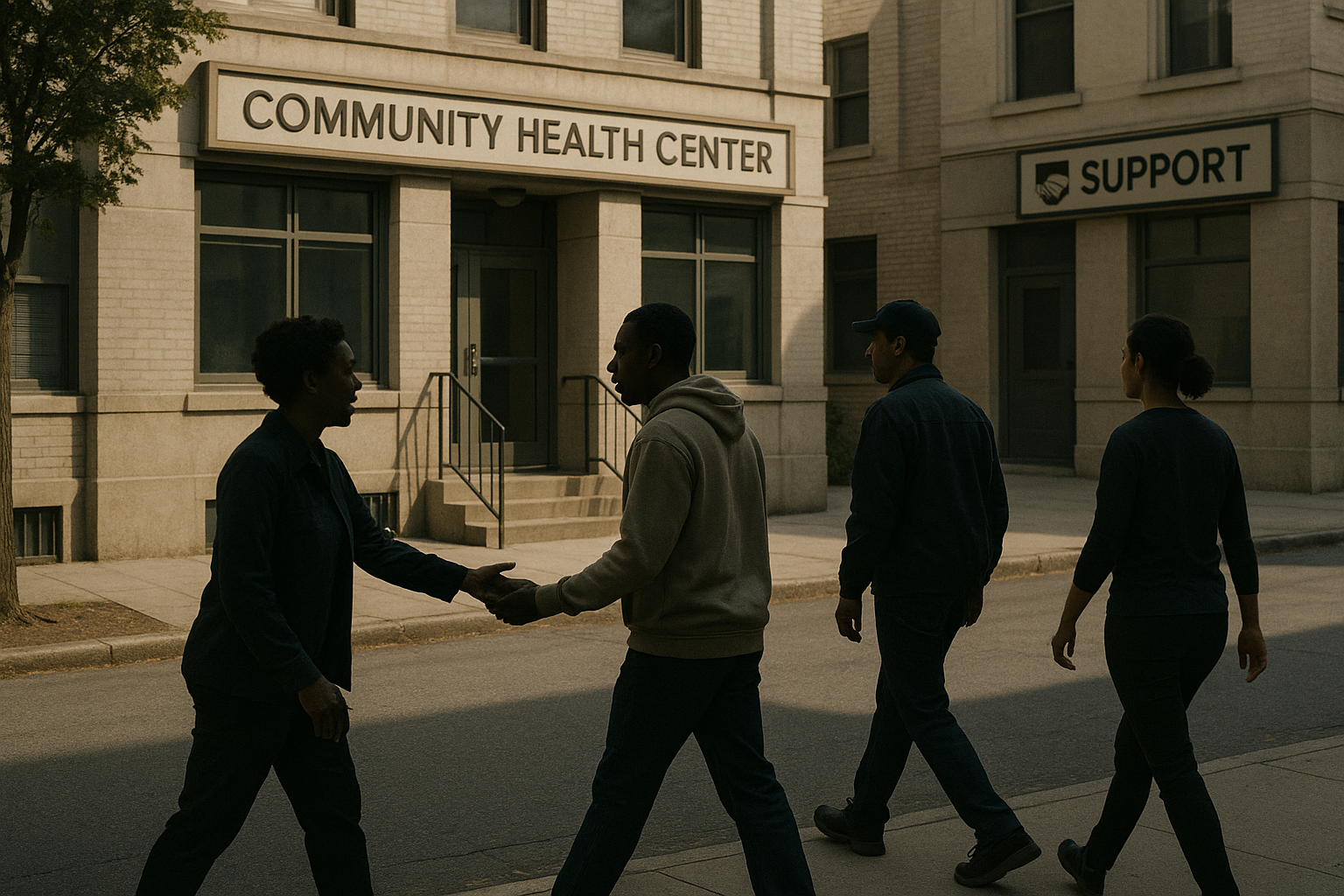

On February 2, 2026, U.S. Health and Human Services Secretary Robert F. Kennedy Jr. unveiled a $100 million pilot initiative—STREETS (Safety Through Recovery, Engagement and Evidence‑Based Treatment and Supports)—targeting homelessness, substance use, and mental health crises. This marks the launch of HHS’s response to the Great American Recovery Initiative, an executive order signed the previous week by President Trump to better coordinate federal efforts against the addiction epidemic. The program will span eight unspecified U.S. communities, aiming to build integrated systems that connect individuals to crisis intervention, detox, housing, employment, and long‑term recovery pathways. Under the plan, faith‑based organizations will now qualify for addiction‑related grants, and states will gain expanded flexibility in deploying federal health funding for substance use treatments involving children. Meanwhile, HHS has faced criticism for disrupting mental health support channels by briefly cutting and then restoring some $2 billion in SAMHSA grants and laying off roughly a third of its staff—moves that stirred anxiety among providers about planning and stability.
But what does this mean for residents of Longview, Kelso, and broader Cowlitz County? As of this writing, none of the eight pilot locations have been named or confirmed. That means our area is not currently among the announced recipients of STREETS funding. It also means there is no guaranteed pathway yet for flexible federal support or expanded eligibility of faith‑based providers in our region, though the policy changes could open the door for future inclusion.
Local providers and public officials should monitor forthcoming announcements from HHS and SAMHSA, as exact city selections and funding formulas will determine whether—and how—our communities can apply or be considered for resources. It’s essential that when HHS does specify recipients, the decision process and criteria are transparent and publicly available to ensure fair access.
Why this matters: Cowlitz County contends with significant mental health and addiction challenges. Building reliable, long‑term solutions—including housing, recovery support, and workforce re‑entry—is critical to public safety and community wellbeing. The STREETS initiative, if extended here, could help stitch together services that are currently fragmented or reactive. That could mean fewer people cycling through hospitals, jails, or shelters and more residents finding stable footing.
Still, experts caution: “the devil’s in the details.” The effectiveness of STREETS will hinge on how selected communities implement integrated care systems, whether funding is sustained without draining existing successful programs, and how outcomes are measured and held accountable. In the absence of specified locations, those concerns remain speculative—but real.
ColumbiaCountercurrent will continue following this developing story, including when and where STREETS funding lands and what it might mean for our area’s capacity to support our most vulnerable.
Sources: Associated Press coverage of HHS announcement; HHS press release.


Leave a Comment