

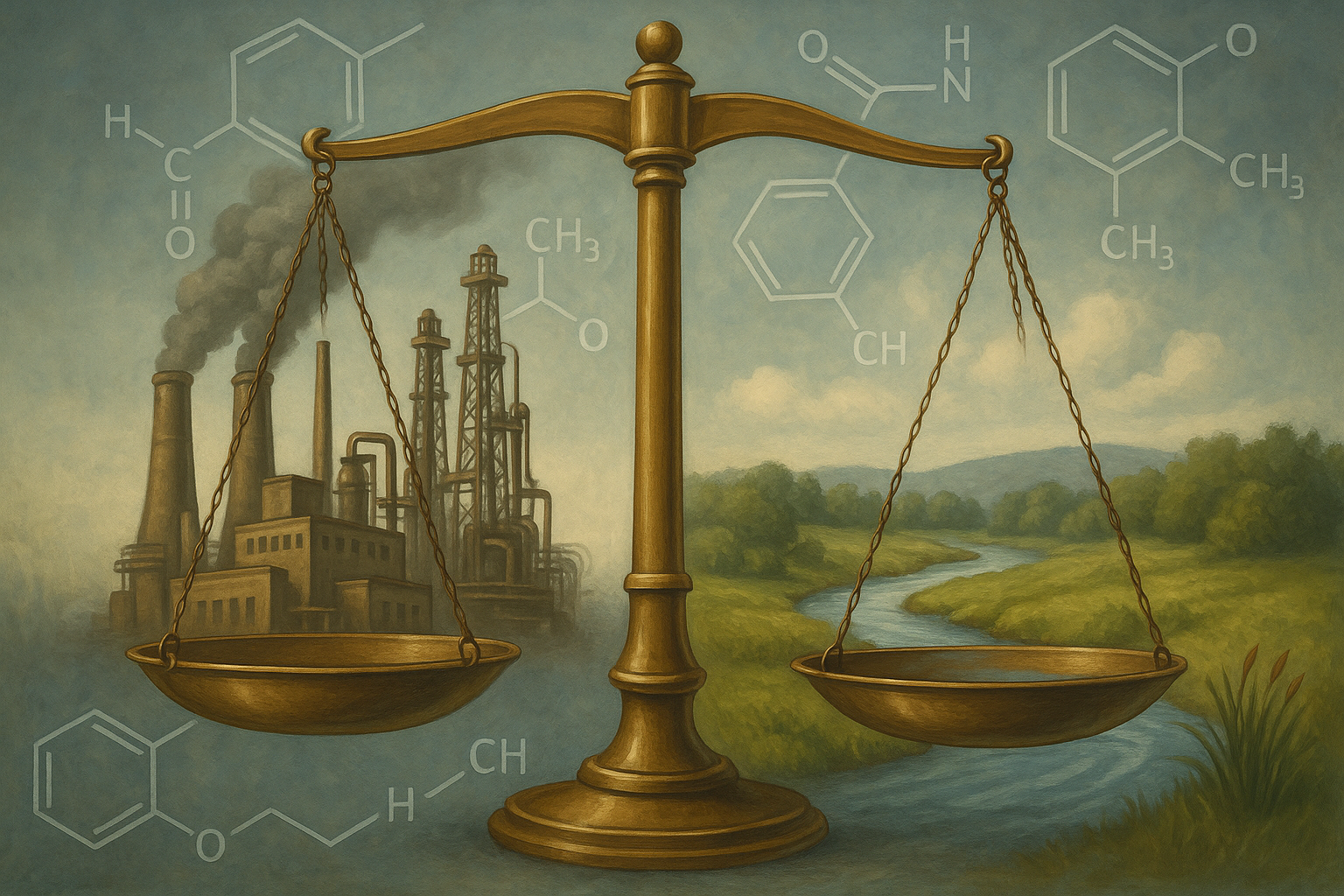

A national movement known as Make America Healthy Again (MAHA), led by Health Secretary Robert F. Kennedy Jr., is now extending its influence into environmental regulation, potentially reshaping how the U.S. Environmental Protection Agency (EPA) approaches toxic chemicals and pollutants. The collaboration comes as part of President Donald Trump’s executive order establishing a Make America Healthy Again Commission, focused on tying public health outcomes more closely to environmental and nutritional policy.
The EPA’s current administrator, Lee Zeldin, recently announced new restrictions on five industrial chemicals, calling it a “MAHA win.” The move reflects growing engagement between the agency and MAHA activists like Kelly Ryerson, known online as “Glyphosate Girl,” who have pressed the EPA to tighten limits on pesticide use and eliminate chemicals they argue are linked to chronic illness. Zeldin has since invited advocates to participate in developing what the agency calls a “MAHA agenda,” expected to address issues including PFAS contamination, lead pipes, and food quality.
The alliance comes at a politically sensitive time. The Presidential and Congressional midterm campaigns have put environmental regulation and industry partnerships under new scrutiny. Though Zeldin’s EPA has emphasized deregulation and industry cooperation, MAHA supporters argue that stronger protections are politically—and morally—necessary to reduce illness linked to pollutants. Observers suggest the agency’s responsiveness to MAHA could determine whether it maintains the movement’s support during election season.
While the movement’s coordination with federal agencies is a national story, it may hold local implications for Washington, including Cowlitz County. The area’s industrial base—particularly its refineries, paper mills, and agricultural chemical users—makes it directly subject to federal rules governing chemical exposure and waste management. A robust EPA crackdown on PFAS, glyphosate, and other persistent pollutants could require significant changes to compliance practices for regional manufacturers and municipal wastewater treatment programs.
For local residents, particularly those living near the Columbia River’s industrial corridor, forthcoming EPA guidance will determine whether new enforcement or cleanup projects arrive alongside or instead of existing Superfund priorities. The balance between environmental accountability and economic adaptation may become one of the most consequential local outcomes of the federal MAHA initiative.




Leave a Comment