

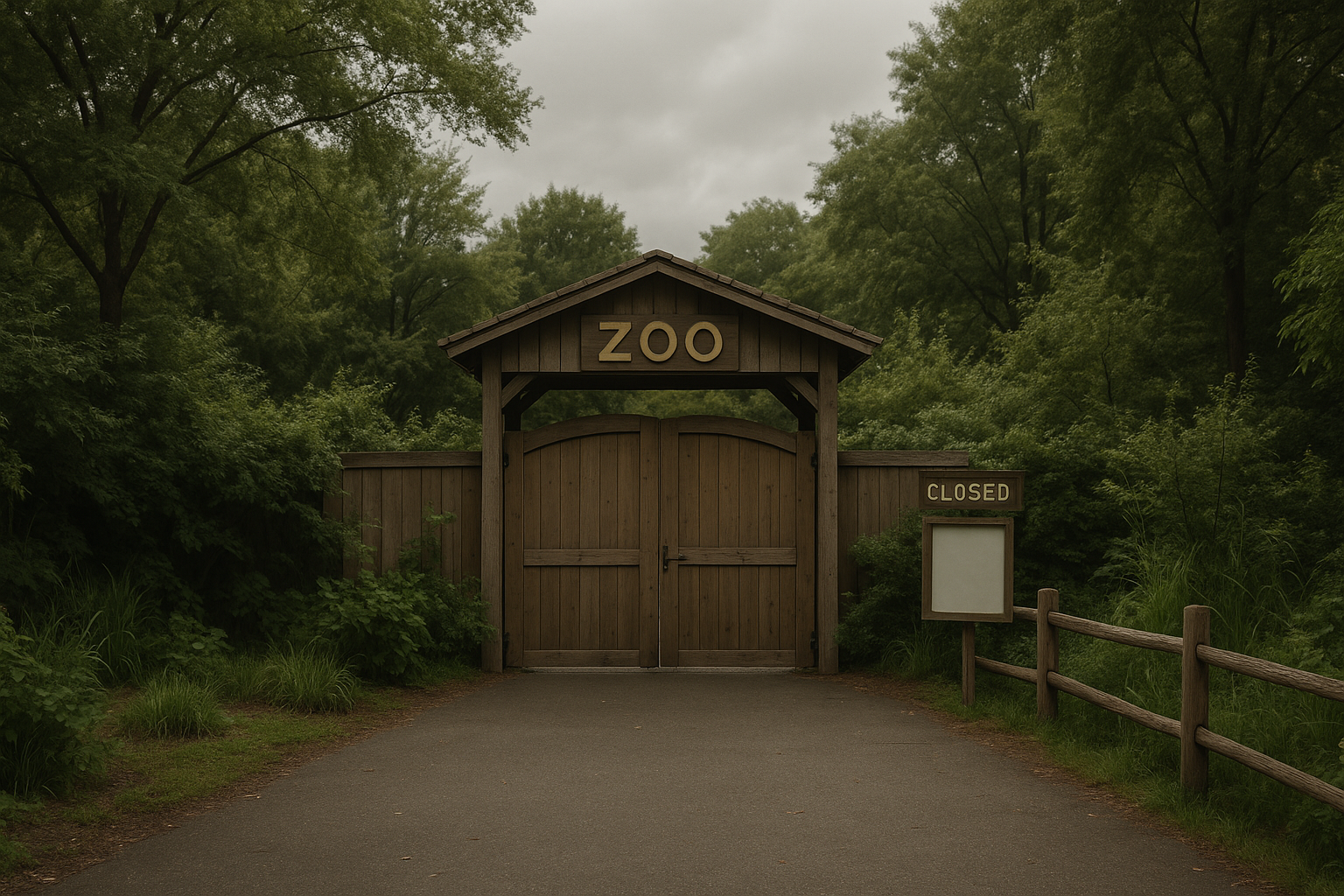

The Reptile Zoo in Monroe has closed permanently after 30 years of operation, ending one of Washington’s last remaining reptile-focused facilities. The closure, confirmed on Monday, follows years of rising operating costs, reduced attendance, and the long tail of financial strain from the COVID-19 pandemic. The story, while centered in Snohomish County, reflects pressures facing small family-run attractions throughout Western Washington — including along the I‑5 corridor through Cowlitz County, where operators confront the same combination of higher expenses and shifting visitor habits.
According to reporting by KOMO News, the zoo’s final day of public access ran from 10 a.m. to 8 p.m., with many of its animals scheduled for relocation beginning Tuesday. The zoo had initially warned in October 2025 that it was approaching a financial breaking point, citing mounting inflation and declining attendance that forced staff layoffs.
Owner Isaac Peterson described the economic pressures during an appearance on “The Jake and Spike Show” on KIRO Newsradio, saying that even a modest increase in weekday ticket prices led to a steep drop in revenue. Despite a community surge in attendance after the 2025 closure warning, the boost proved temporary. Attendance later returned to previous lows, making long-term recovery untenable.
Roughly 100 of the zoo’s approximately 130 reptiles are expected to be placed into new homes by the end of February. KOMO News reported that many will remain in Washington with caretakers equipped to house specialized species. A separate group is expected to assume ownership of the Monroe property and reopen the site as a mammal-focused zoo.
The Peterson family has operated the facility for three decades. Scott Peterson, widely known as “The Reptile Man,” founded the zoo, and his son Isaac took over operations in 2012. Their educational enterprise — also known as “The Reptile Man” — will continue offering school, library, and community presentations with animals that have always been kept separate from the Monroe zoo collection.
The Reptile Zoo had been among the last of its kind in Washington following the state’s 2007 ban on possessing dangerous animals, including alligators and venomous snakes. Existing facilities were allowed to continue operating under grandfathered provisions, but few remained.
Why this matters for Southwest Washington
The closure underscores financial vulnerabilities shared by small, specialized attractions across the region. Family-owned educational and wildlife ventures in Cowlitz County — from seasonal farms to animal rescue programs — often operate on narrow margins similar to those described by the Peterson family. Rising insurance costs, staffing shortages, and fluctuating visitor traffic remain ongoing concerns for many local operators.
While Monroe is several counties north, its situation mirrors challenges faced by community-scale attractions statewide. For Southwest Washington, the story serves as a reminder of how quickly inflation, operational overhead, and shifting public patterns can threaten long-standing local institutions.




Leave a Comment