

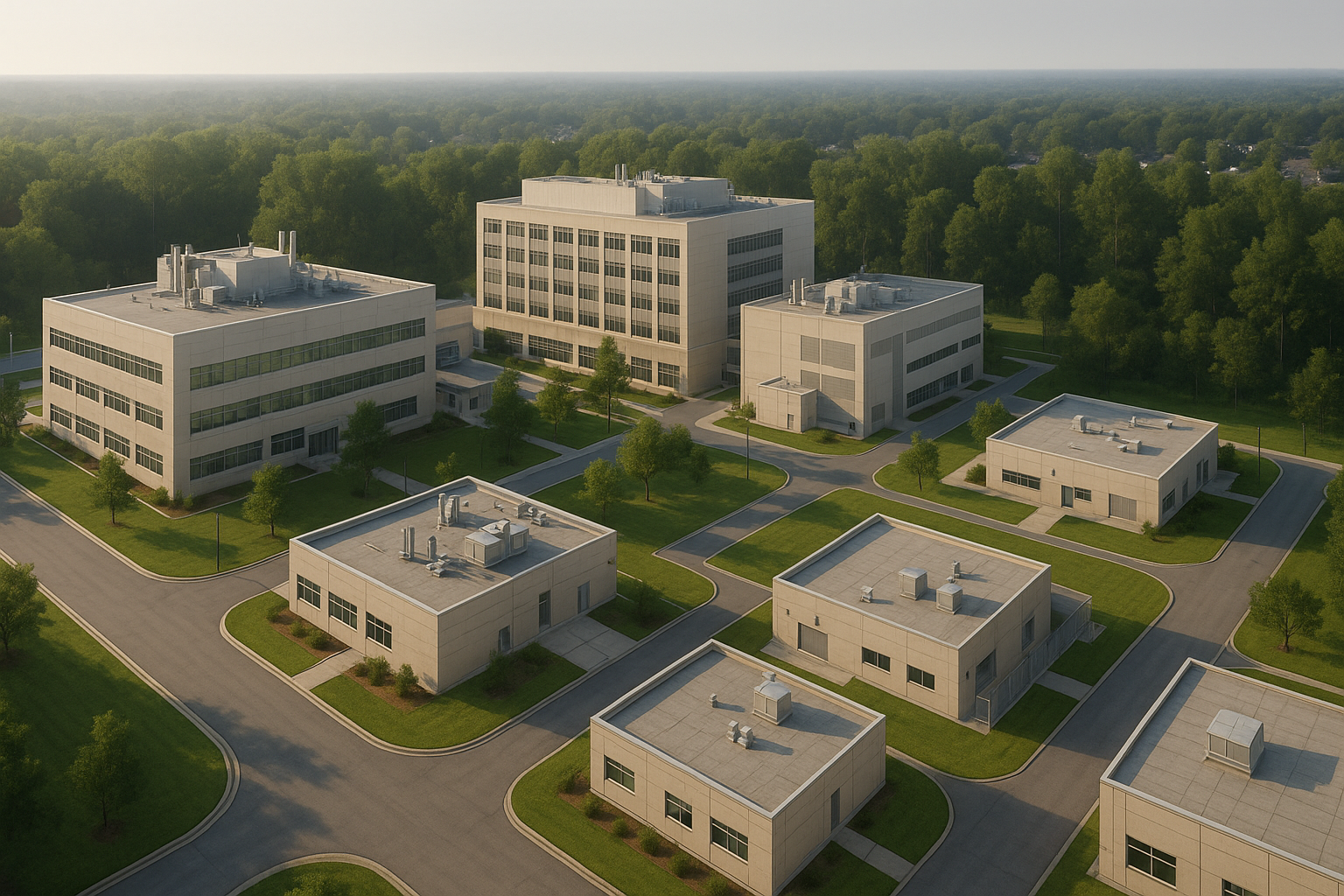

Oregon’s Oregon Health & Science University (OHSU) is facing mounting pressure over the future of its Oregon National Primate Research Center (ONPRC), as both activists and lawmakers escalate calls for closure or dramatic downsizing.
On January 23, 2026, OHSU’s board of directors convened a special public meeting to examine a consultant-led report detailing the financial and logistical implications of shutting down—or significantly reducing—the operations of its primate research facility in Beaverton, home to roughly 5,000 nonhuman primates. The board did not vote, but the presentation marked a pivotal shift toward considering concrete change. The meeting followed a state budget directive requiring the analysis.
The report, assembled with help from Huron Consulting Group, outlined multiple scenarios. A gradual downsize—reducing the colony by 70% over eight years—would cost approximately $50 million. Continuing current operations even amid funding loss or a complete closure could cost OHSU as much as $241 million over eight years, excluding land-related costs possibly ranging between $316 million and $583 million. Converting the facility into a primate sanctuary was the most expensive option, estimated at around $220 million across eight years.
In fiscal 2025, the center operated at a $12 million deficit on revenues of $80 million, and receives no state general funds—relying instead on NIH grants. Recent re-awarding of a five‑year NIH grant funds operations through 2029, though renewal remains an annual decision. OHSU has also requested NIH approval to reduce its primate numbers by 20% as a cost-saving move.
Activists and some lawmakers argue that despite the financial and ethical toll—citing a decades‑long campaign of opposition, violations of the Animal Welfare Act, and incidents such as scalding deaths of primates—the center continues to operate largely unchanged. Governor Tina Kotek and state legislators have supported closure, and in 2025 passed a budget note requiring OHSU to present closure plans should NIH funding fall by 25% or if the university uses any state funds.
Scientific defenders, meanwhile, have emphasized the center’s role in research on diseases such as HIV, Parkinson’s, and developmental disorders, and highlighted its extensive publication record and specialized capacity. Some researchers assert that primate studies remain indispensable for breakthroughs not currently possible through non-animal models.
Why this matters
In Cowlitz County and beyond, the ONPRC debate illustrates broader tensions in medical research between ethical cost, financial sustainability, and scientific necessity. While Longview and Kelso are far from the primate research scene, shifts in federal and state funding for animal research, and the precedent of treating long‑standing institutions as expendable under public pressure, are directly relevant to local health governance and university accountability. This case also raises questions for local biomedical and public health stakeholders about the future direction of research practices, community values, and institutional transparency.




Leave a Comment