


Milan‑Cortina, Italy – In a telling day at the 2026 Winter Olympics, two headline-making performances emerged. For Team USA alpine skiing star Mikaela Shiffrin, hopes for an early redemption were dashed in the debut of the women’s team combined event. Meanwhile, Norway’s cross‑country powerhouse Johannes Høsflot Klæbo surged to his seventh career gold medal, putting him within striking distance of the Winter Games record.
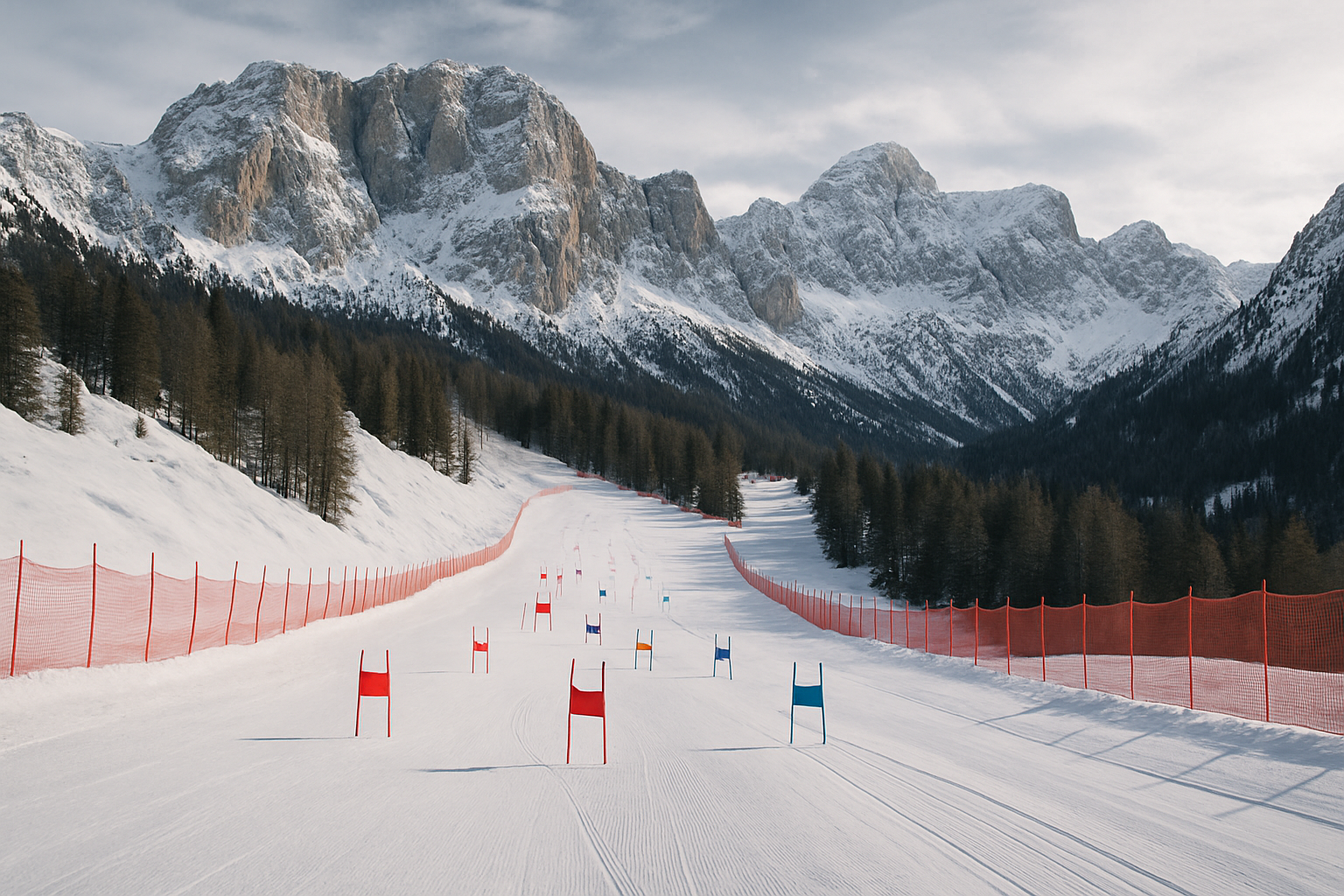
On February 10, 2026, in Cortina d’Ampezzo, Shiffrin partnered with gold‑medalist Breezy Johnson in the inaugural women’s team combined, which pairs one downhill run with one slalom. Johnson delivered a commanding downhill leg, laying the groundwork for medal contention. But Shiffrin’s slalom run was uncharacteristically off pace – she clocked only the 15th‑best time – handing the lead away and relegating the duo to fourth place. Their final time missed the podium by a razor‑thin margin of just 0.06 seconds behind the U.S. teammates Paula Moltzan and Jacqueline Wiles, who captured bronze. Austria’s under‑the‑radar pairing Ariane Rädler and Katharina Huber claimed surprise gold, with Germany taking silver. This marks Shiffrin’s seventh straight Olympic race without a medal, extending her slump from Beijing 2022. She still has her marquee individual events—slalom and giant slalom—ahead.
Reporting: Associated Press; Guardian; Sports Illustrated
In Tesero, Norway’s Klæbo powered to victory in the men’s sprint, earning his seventh Olympic gold. He finished 0.8 seconds ahead of U.S. contender Ben Ogden, who claimed silver—making him the first American male cross‑country skier to medal since 1976. Klæbo now trails Marit Bjørgen, Bjørn Dæhlie, and Ole Einar Bjørndalen, each with eight Olympic golds. A win in the upcoming 10 km freestyle could elevate him into history as the Winter Games’ most decorated athlete by gold medal count.
Reporting: AP; ESPN; Wikipedia
Why this matters locally
While this is a global stage, these developments offer parallels for local athletes and sports programs. Shiffrin’s continued Olympic struggles may resonate with Cowlitz County’s skiing community and remind us of the narrow margins that define elite competition. On the other hand, Klæbo’s dominance—and the rise of Ben Ogden—spotlights how U.S. athletes can break long-standing dry spells even in disciplines like cross‑country skiing, which have historically seen scant American success.
What remains uncertain
- Will Shiffrin rebound in her remaining events—giant slalom or slalom—and break her medal drought?
- Can Klæbo match the all‑time Olympic gold record by winning the 10 km freestyle, or will American cross‑country skiing continue its gradual rise through athletes like Ben Ogden?
Looking ahead
Shiffrin’s next appearances in slalom and giant slalom will be closely watched, both for her own legacy and for how Team USA rebuts this early setback. Cross‑country racing heads into its next phase with Klæbo aiming to tie the all‑time gold record, and with American fans rallying behind Ben Ogden’s silver finish as a sign of growing competitiveness on snow that decades ago seemed impenetrable.
Back at home in Cowlitz County, these events remind us: in competitive sports, moments of frustration and breakthrough often emerge side‑by‑side—on global stages and on local slopes alike.




Leave a Comment