

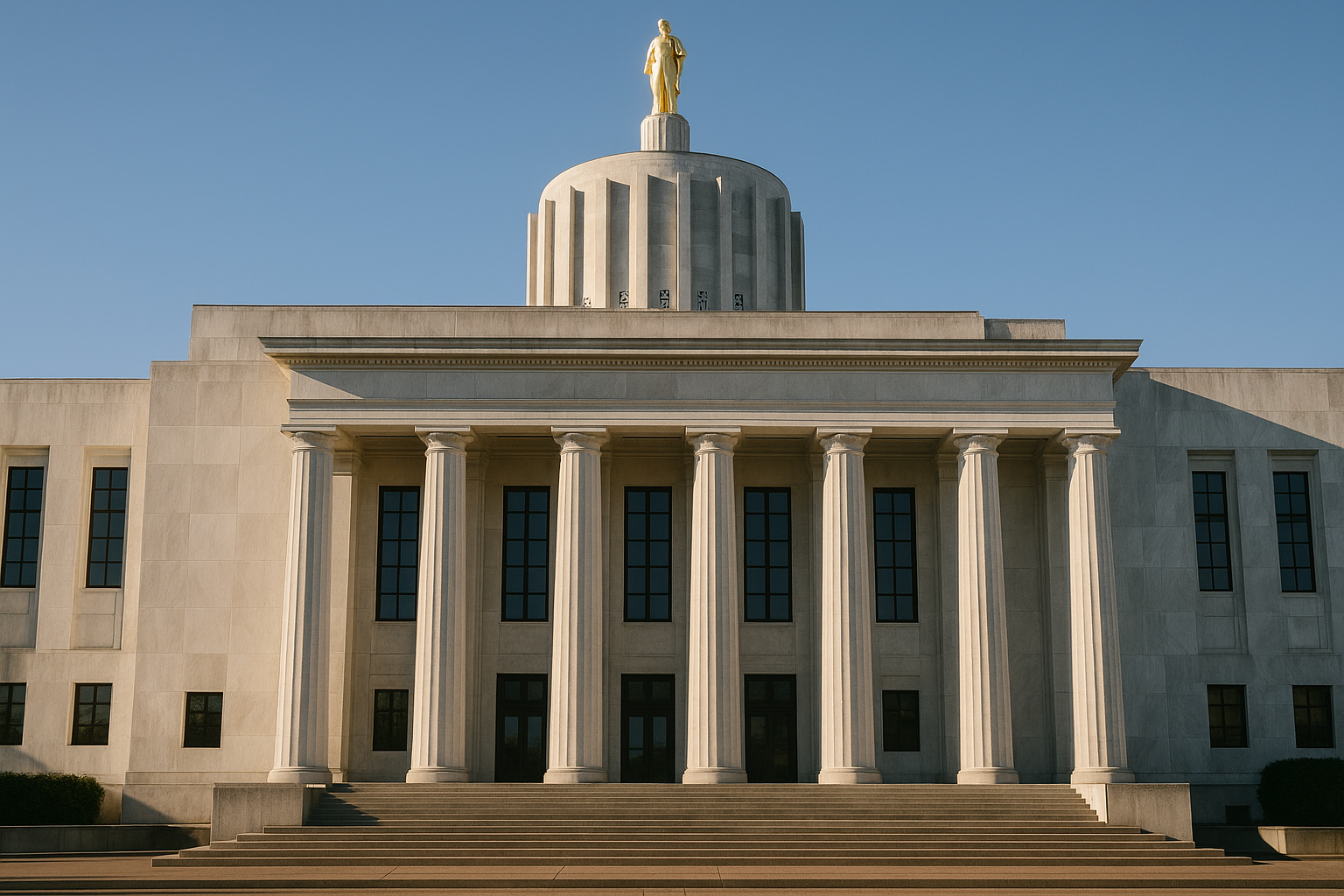

A coalition of Oregon state lawmakers — led by Representative Farrah Chaichi (D‑Beaverton) — has introduced the Law Enforcement Visibility & Accountability Act (LEAVA), a proposal that would broadly prohibit law enforcement from wearing masks during official duties and require visible agency identification, including in actions by federal agents such as Immigration and Customs Enforcement (ICE).
Under LEAVA, every law enforcement agency operating within Oregon—including federal entities—would be required to publicly adopt a facial‑covering policy that generally prohibits masks, with exemptions only for narrowly defined situations like medical needs or undercover and SWAT operations. The bill also mandates that officers visibly display their agency affiliation and badge number or name. It further empowers individuals to enforce the law through non‑criminal means: anyone could sue public agencies for damages, attorney fees, or obtain court orders if violations occur. Agencies would have 90 days to comply once the law takes effect. LEAVA also seeks to prohibit state and local cooperation with federal enforcement efforts that are unconstitutional or retaliatory—including activities directed at protected First Amendment expression — and to bring transparency to joint task forces operating in Oregon.
LEAVA was publicly described as a response to masked federal immigration enforcement tactics deployed under the Trump administration, which lawmakers and civil‐liberties advocates say have eroded public trust and blurred the line between law enforcement and impersonators.
Why this matters: The bill raises fundamental questions about state authority under the U.S. Constitution’s Supremacy Clause. Constitutional law scholars note that while Oregon can regulate its state and local agencies, directly restricting federal officers may invite legal challenges. Still, supporters argue the law provides clarity and accountability for Oregonians unsure whether masked individuals are authentic law enforcement.
LEAVA builds on earlier proposals — such as a bipartisan push by Reps. Tom Andersen (D‑Salem) and Cyrus Javadi (R‑Tillamook) to enact a constitutional amendment banning “secret police” and requiring visible identification, and Senator Ron Wyden’s federal “VISIBLE Act,” which would place similar requirements on ICE agents nationwide. As of mid‑January 2026, LEAVA is under consideration in the Oregon legislature’s short session, with hearings already underway.
Reporting sources:
- KGW published initial coverage of the legislation, summarizing its core provisions and the lawmakers’ intent.
- The Oregon Capital Chronicle detailed the bill’s enforcement mechanisms and legislative trajectory, including the potential for legal challenges under the Supremacy Clause.
- The Portland Tribune provided valuable context regarding intra‑party debate and the involvement of leadership figures concerned about constitutional viability.
This article will remain “pending” until further sourcing or official action confirms the bill’s progress toward votes or public hearings. Any updates will prioritize clarity on legal analysis and local enforcement impacts.




Leave a Comment