
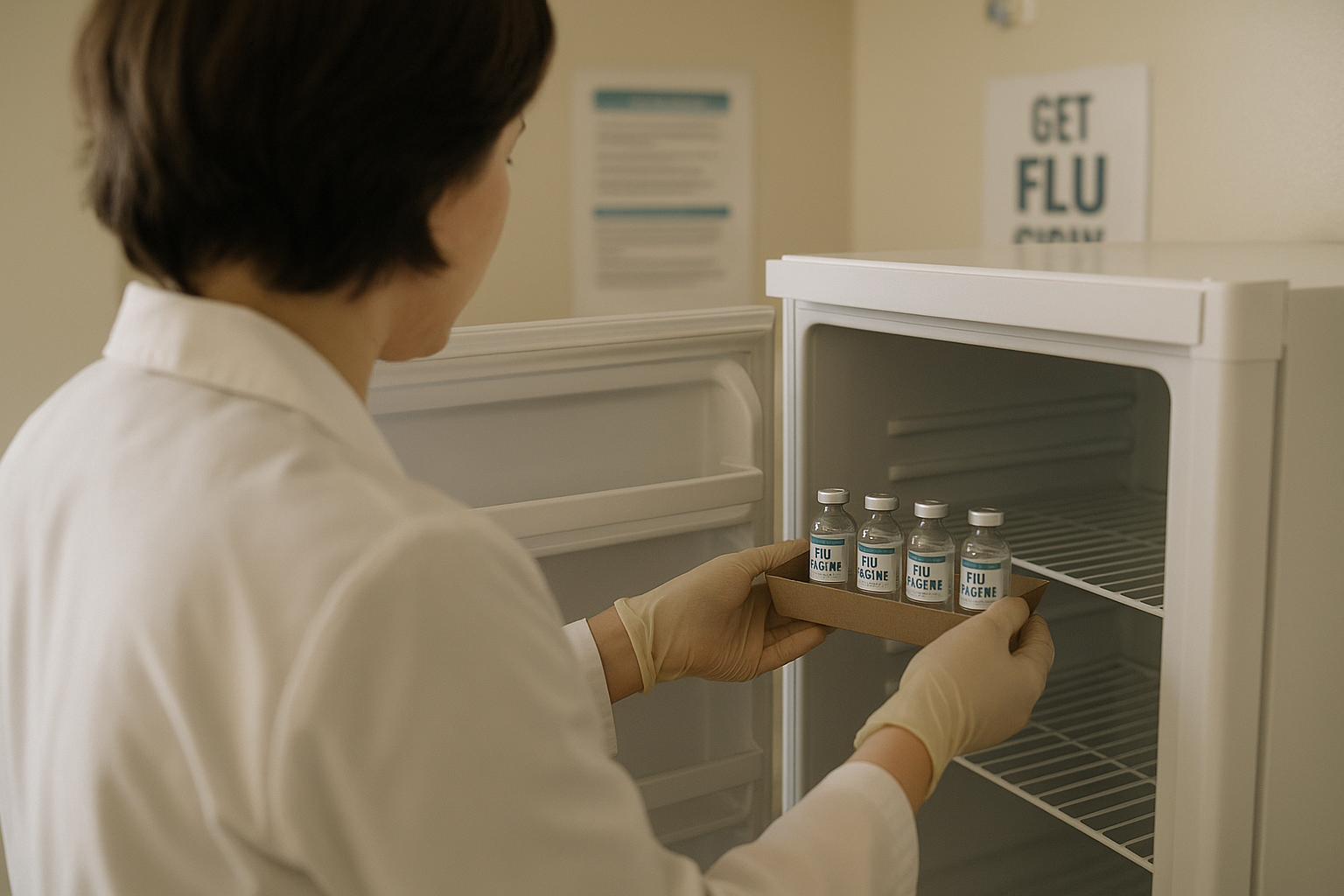

Oregon is currently classified in the Centers for Disease Control and Prevention’s (CDC) highest flu activity tier as influenza B gains traction while one flu variant recedes. This escalation signals heightened risk across the state, even as some areas see early signs of seasonal ebbing.
The CDC’s U.S. influenza surveillance map places Oregon in the “very high” category—its most severe level—for flu activity. This follows a national pattern in which nearly half—or potentially more—of states have been elevated to similarly high tiers, particularly in the most populous regions. Influenza B, once a peripheral strain, is now rising in proportion even as Influenza A continues to circulate. Public health officials describe this as a challenging point in the flu season, compounded by shifting dominant strains.
In Central Oregon, test positivity has surged to approximately 22.7% as of late January—a level comparable to previous seasonal peaks near 28%. Statewide, the positivity rate averaged around 16.2% in late December, reflecting a sustained and significant presence of circulating flu infections. These rates exceed typical seasonal expectations and align with Oregon’s placement in the CDC’s most concerning tier.
Meanwhile, Oregon Health Authority (OHA) reports show that the 2024–25 season ranks as the worst since tracking began nearly 15 years ago, with sustained hospitalizations persisting even as flu cases typically decline. Vaccination rates are also declining—down about 4% from the previous year—raising alarms among health officials about preparedness for potential late-season surges.
Why this matters
The convergence of high infection rates, the ascent of Influenza B, and slipping vaccination coverage heighten risks for vulnerable populations, especially in regions like Cowlitz County, where healthcare capacity is more limited. Health care workers’ vaccination rates have also fallen sharply—by 11% compared to the prior flu season—leaving critical points of care more exposed.
For communities across Oregon, including Longview and Kelso, this means staying alert, getting vaccinated immediately if not yet immunized, and maintaining standard protective behaviors—hand hygiene, avoiding close contact when sick, and seeking care early if symptoms worsen. The flu season is not yet over, and proactive steps remain the best defense.
Sources
CDC surveillance data: Oregon in highest flu tier, rising Influenza B (reporting by KOIN)
Central Oregon flu data: test positivity rates and regional trends (KTVZ, Jan 23, 2026)
OHA warning on 2024–25 severity and vaccine dip (OHA GovDelivery, Mar 13, 2025)


Leave a Comment