

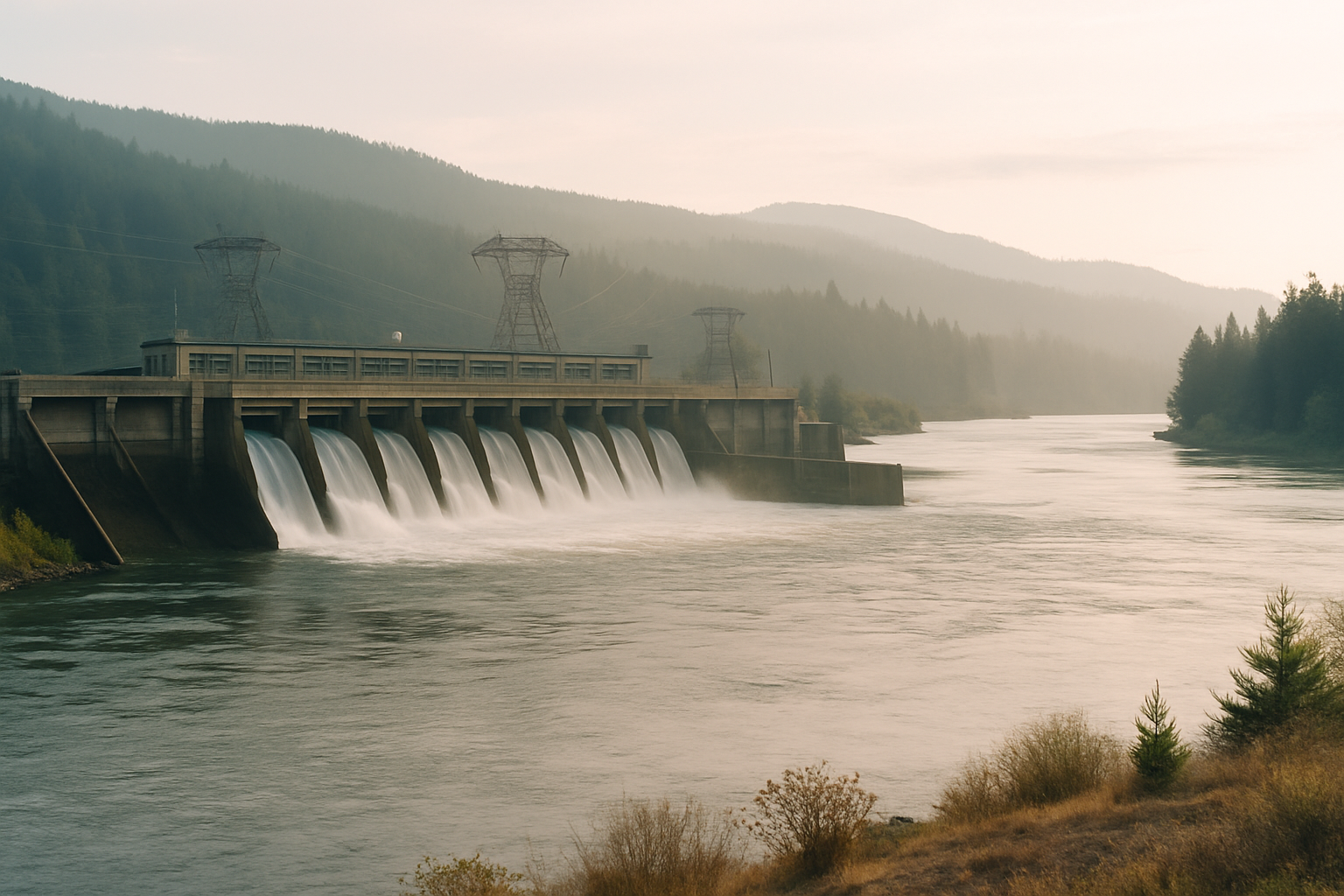

Lawyers representing conservation groups, Native American tribes, and the states of Oregon and Washington returned to federal court on Friday, February 6, 2026, to seek immediate changes to dam operations on the Snake and Columbia Rivers. This renewed litigation follows the collapse of the 2023 Resilient Columbia Basin Agreement, from which the federal government formally withdrew in June 2025. The motion seeks to enforce modifications—such as increased water spill and lowered reservoir levels—aimed at aiding juvenile salmon passage and addressing threats under the Endangered Species Act.
The agreement, struck in December 2023 under the Biden administration, had promised more than $1 billion over ten years to restore salmon runs and support tribal clean energy projects. It also facilitated a pause in decades-long litigation over river dam operations. But on June 12, 2025, President Trump unilaterally withdrew U.S. participation, labeling the agreement “radical environmentalism” and restarting legal confrontation. Tribes, governors, and conservation advocates responded by renewing the effort in court to protect collapsing salmon populations. The federal government opposes the changes, arguing that court-imposed dam operations could compromise safety, efficiency and raise utility costs.
Attorney General Dan Rayfield of Oregon emphasized that walking away from the agreement jeopardized both endangered salmon and legal commitments to tribal partners. He pledged litigation to compel operational changes ahead of next spring’s critical downstream migration season. On the tribal side, leaders such as Nez Perce Chairman Shannon Wheeler and Yakama Chairman Gerald Lewis decried the withdrawal as a betrayal of treaty obligations and a direct threat to their sovereignty and cultural heritage.
Conservation organizations—including Earthjustice and the National Wildlife Federation—filed motions for preliminary injunctions, supported by Washington state and tribes as amici curiae. They argue that eight dams—on both the Snake (Ice Harbor, Lower Monumental, Little Goose and Lower Granite) and the Columbia (Bonneville, The Dalles, John Day and McNary)—significantly impair fish survival, pushing multiple salmon and steelhead stocks toward extinction. The Columbia River Basin, historically the world’s most productive salmon habitat, now sees four extinct and seven remaining runs listed under the Endangered Species Act. The harm extends beyond fish, threatening endangered orca populations that rely on salmon for food.
Opponents of the proposed changes, including the Inland Ports and Navigation Group, warn that increased spill could disrupt river navigation and commerce, potentially harming regional economies. They caution that flooding and altered reservoir elevations could impede barge traffic, reflecting the broader tension between environmental recovery and economic continuity.
Why this matters locally:
This legal battle has direct implications for Longview, Kelso, and Cowlitz County. Just as agriculture, shipping, and ports in the region rely on river navigation and hydropower for economic stability, the region also shares deep cultural and ecological ties to salmon. For local tribes, the fish are central to identity and treaty-reserved rights. As litigation unfolds in Portland, communities here face competing pressures: protecting salmon and honoring treaty obligations, while ensuring that operations along the Columbia and Snake Rivers continue to support local livelihoods.
The outcome may determine whether the region moves toward collaborative restoration rooted in science and tribal partnership—or remains locked in prolonged legal confrontation. But one fact remains clear: without intervention, some salmon stocks may not survive. And with them, key pieces of regional culture, ecology, and economy hang in the balance.




Leave a Comment