

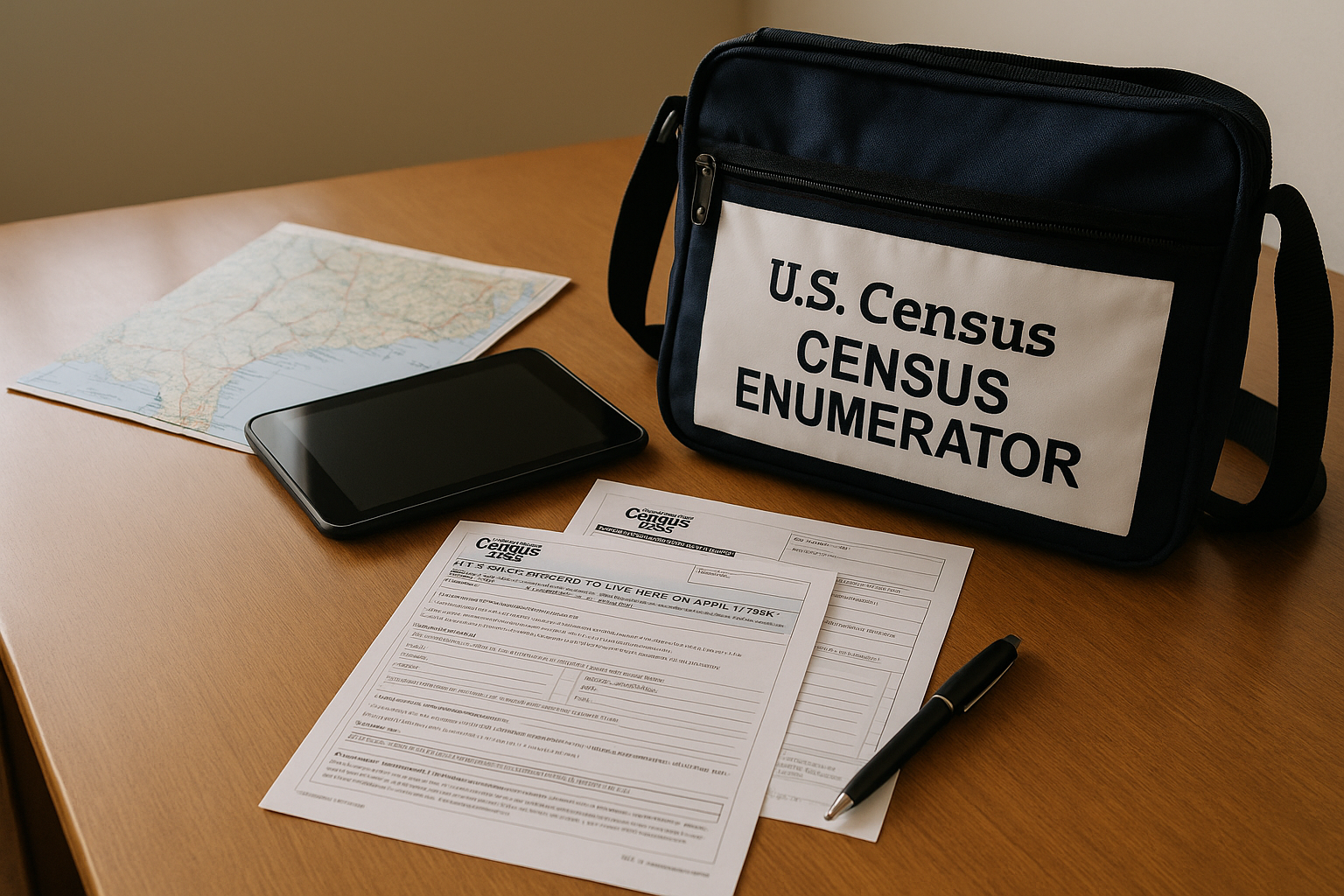

Federal officials have reduced the number of test sites for the 2026 Census Test—designed to inform improvements for the 2030 Census—from six to just two, choosing Huntsville, Alabama, and Spartanburg, South Carolina, and dropping originally planned locations in Colorado Springs, tribal lands in Arizona, western North Carolina, and western Texas. The change comes amid concerns that the downsized testing may leave out hard-to-count areas that face unique challenges such as poor internet access, remote geography, and historically low participation rates.
The 2026 Census Test was planned to trial multiple innovations—including online and mail responses, in-person enumeration, group quarters counting, messaging strategies, and data processing enhancements—across diverse landscapes. According to a July 2024 Census Bureau announcement, the six locations had been strategically selected for characteristics such as tribal jurisdictions, multiunit housing, rural isolation, limited mail delivery, rapid housing growth, and institutional group living situations. Shrinking the test undermines the capacity to assess these varied operational challenges under real-world conditions.
Experts warn this narrow focus may significantly impair the Census Bureau’s ability to address enumeration gaps. Mark Mather of the nonpartisan Population Reference Bureau called the change “a step backward,” emphasizing that the absence of testing in areas with limited connectivity and low response rates means “you can’t fix what you don’t test.” Terri Ann Lowenthal, a census consultant and former congressional staffer, described the downsizing as “an ominous sign for the 2030 Census,” warning that clarity on the adjusted test plans is lacking.
These developments occur against a backdrop of significant risk: census data guide the distribution of $2.8 trillion in annual federal spending and determine political representation at both state and congressional levels. Prior to the 2020 Census, the only full-scale dress rehearsal occurred in Providence, Rhode Island, in 2018; further testing was canceled due to budget constraints.
For communities like those in Longview, Kelso, and Cowlitz County in southwest Washington, similar challenges—rural pockets, internet gaps, tribal connectivity needs, and group-living facilities such as dorms or long-term care centers—could be insufficiently represented in the upcoming 2026 test. Without localized data on the effectiveness of new methodologies, the Census Bureau may struggle to calibrate operations for such areas ahead of 2030.
Why this matters
The decennial census determines congressional seats, Electoral College votes, and the allocation of federal dollars. Testing improvements in diverse local contexts ensures these populations are counted accurately—fundamental to democratic representation and resource equity. The absence of testing variety increases the risk of uneven data accuracy when the real census rolls out.
Columbia Countercurrent will continue monitoring the Census Bureau’s revisions to the test’s design and push for inclusive methodologies that reflect the unique needs of Cowlitz County and similar communities.
Sources
AP News reporting on the scaled-back test and expert reactions, including statements from Mark Mather and Terri Ann Lowenthal. Census Bureau’s July 2024 press release announcing the six original test sites.


Leave a Comment