


President Donald Trump announced on Saturday that his administration will not intervene in protests occurring in Democratic-led cities unless local authorities formally request federal assistance. The directive follows rising public concern over federal immigration enforcement actions and the use of force in several U.S. cities.
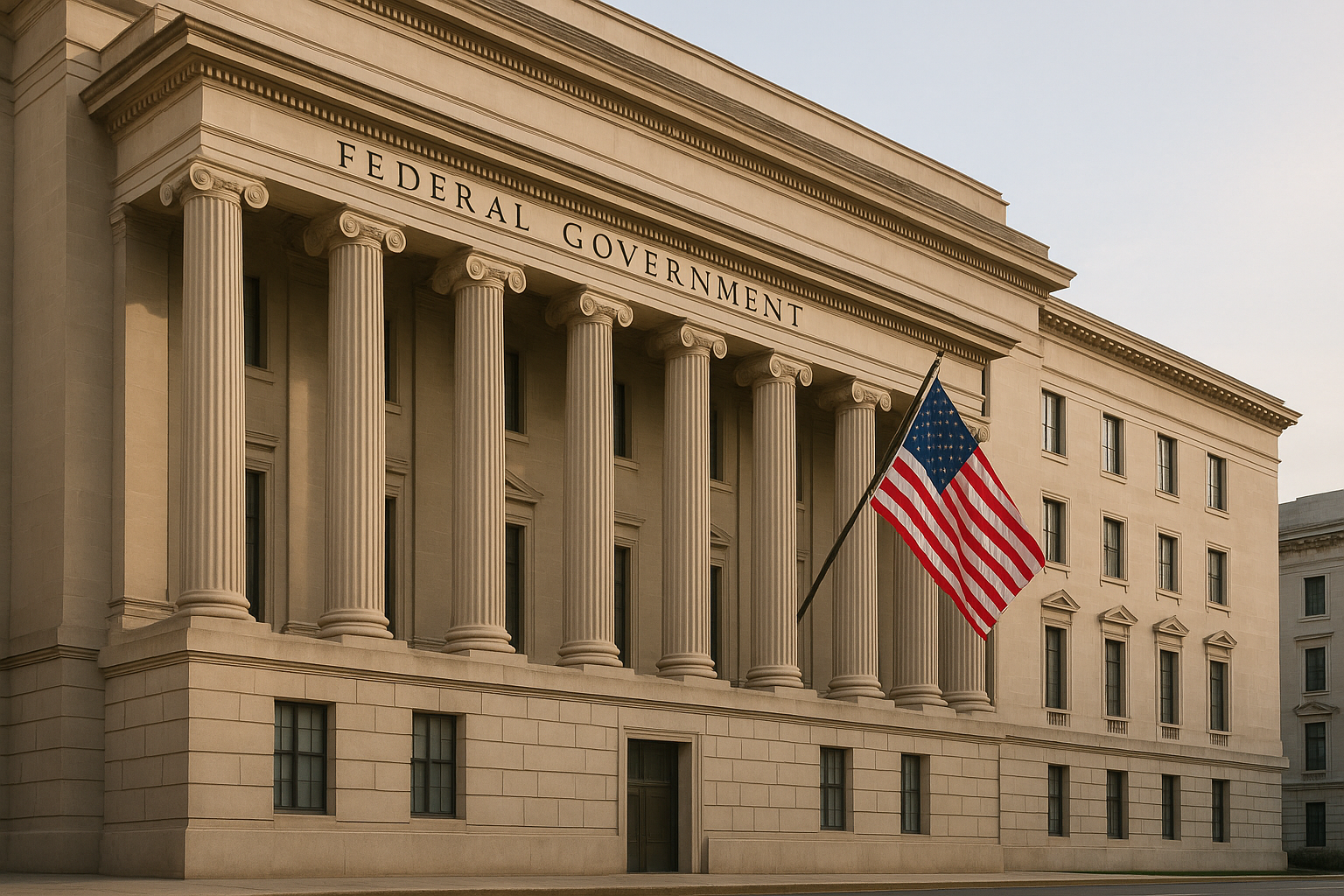
In a post on his social media platform, Trump said Homeland Security Secretary Kristi Noem has been instructed not to deploy federal agents or personnel in cities such as Portland, Chicago, Los Angeles, and Minneapolis without a request from local governments. He emphasized, however, that federal facilities will remain under strong protection, stating that “any and all Federal Buildings that are being attacked” will be defended by federal forces.
The president’s remarks came days after federal officers were involved in fatal shootings in Minneapolis that have sparked widespread protests. The incidents, which left two people dead, prompted Minnesota officials including Attorney General Keith Ellison and the mayors of Minneapolis and St. Paul to challenge what they describe as an overreach of federal immigration enforcement authority. A federal judge has so far declined to halt those operations as the lawsuit proceeds.
Trump defended his administration’s stance, criticizing Democratic city leaders for what he described as inconsistent responses to unrest. Speaking to reporters en route to Florida, he said that cities seeking federal intervention “have to ask for it” and “say, ‘Please.’” He asserted that local officials often “complain” when federal forces intervene, but suggested that many cities will eventually require assistance.
Trump’s comments also touched on the possibility of law enforcement officers wearing body cameras, saying he believed such measures could benefit officers as well as the public. “I think it would help law enforcement,” Trump said, adding that he would discuss the idea with Homeland Security officials.
The administration’s approach marks a shift from prior tactics used during civil unrest in 2020 and 2021, when federal forces were deployed to multiple cities without local approval. The current directive could represent an attempt to reduce political tensions while maintaining federal authority over national security and immigration enforcement.
Local officials across the country, including those in the Pacific Northwest, are watching closely. Portland, Oregon — which previously experienced controversial federal involvement during protests — may test the policy should new demonstrations emerge. Meanwhile, legal challenges in Minnesota could set precedent for how states balance cooperation and resistance to federal immigration enforcement campaigns.
More details on the administration’s directive are available from Oregon Public Broadcasting.


Leave a Comment