

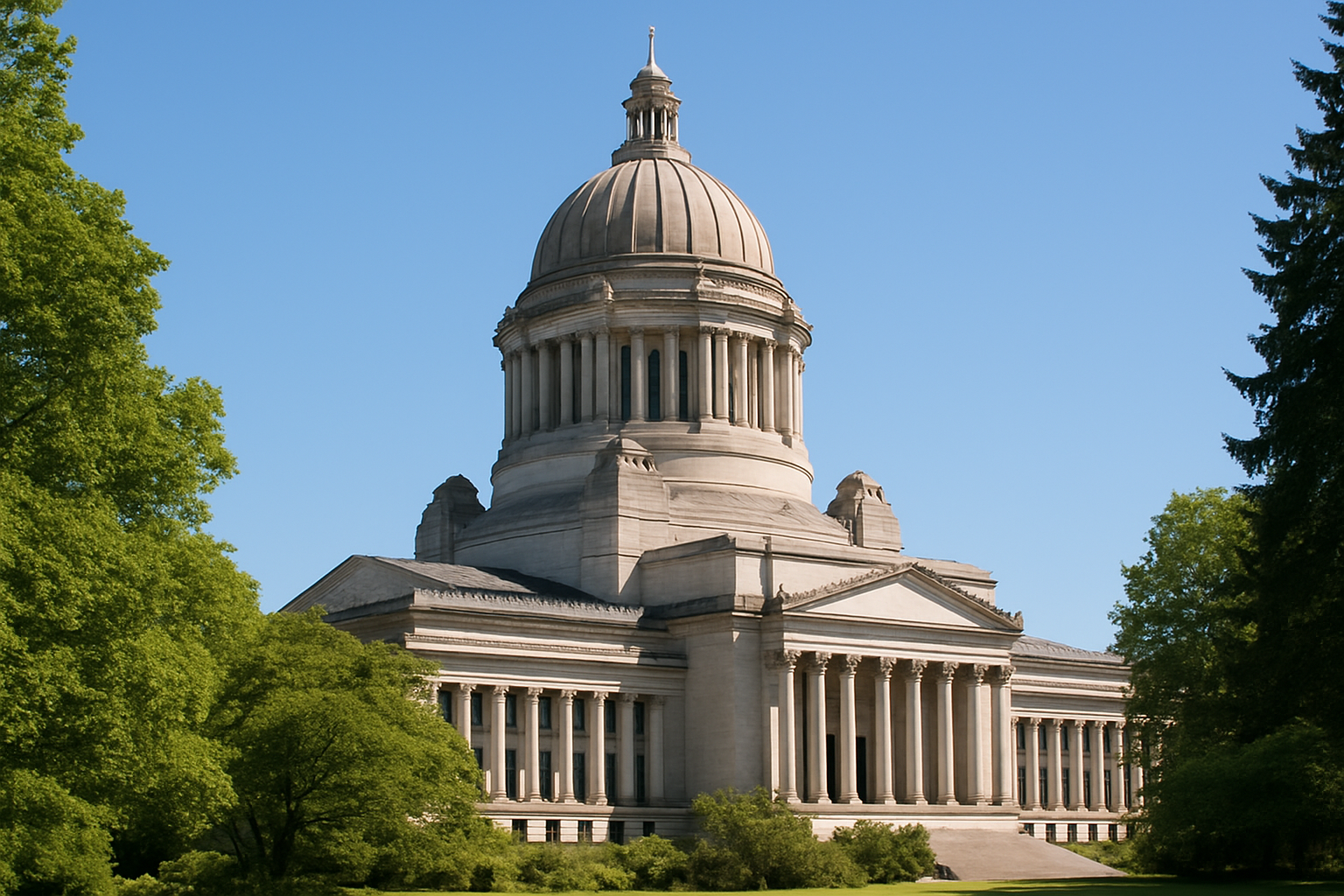

The Washington State House of Representatives passed legislation this week that elevates the crime of impersonating a law enforcement officer to a gross misdemeanor. The debate was vigorous, and supporters emphasized the danger impersonators pose to public trust and safety.
Under current law, impersonating a law enforcement officer in Washington—a crime classified as criminal impersonation in the second degree—is a misdemeanor. The penalty can include up to 90 days in jail or a fine of up to $1,000. This bill would reclassify that crime as a gross misdemeanor, raising the potential penalty to up to 364 days in jail and/or a fine of up to $5,000. The change targets individuals who create the impression they are acting in an official capacity in a way that would lead a reasonable person to believe they are law enforcement officers. The proposed revision would ensure stiffer consequences for people who misrepresent authority and put public safety at risk.
This legislative move aligns with longstanding provisions in state law: as-is, criminal impersonation in the second degree is indeed a gross misdemeanor. But through amendment it would preserve that classification while possibly adjusting associated parameters or clarifying prosecution thresholds. The change stems from House floor discussions earlier this week (Wednesday, February 11, 2026), where lawmakers raised concerns about escalating cases of impersonation posing threats to public trust and officer safety.
Although the details reported by The Reflector provide limited legislative text or fiscal projections, the bill marks a clear effort to bolster penalties and deter impersonation. Local stakeholders may soon discuss how the measure could affect community policing, especially in Cowlitz County, where small-town encounters and informal interactions between residents and people claiming authority carry heightened significance.
Why this matters
Even in smaller jurisdictions like Longview and Kelso, impersonation—whether for fraud, intimidation, or mischief—undermines trust in public institutions. Increasing the penalty underscores the seriousness with which the state treats such offenses and may provide local prosecutors with broader tools to deter bad actors.
Columbia Countercurrent reached out to the House Community Safety Committee for comment, but as of publication, no official response has been recorded. Additional hearings or amendments may follow in the Senate, where modifications are common.
Next steps
Following House approval, the bill advances to the Senate, where it may be further refined or combined with other public safety measures. The measure’s ultimate fate—whether it becomes law, when, and under what terms—remains to be seen.




Leave a Comment