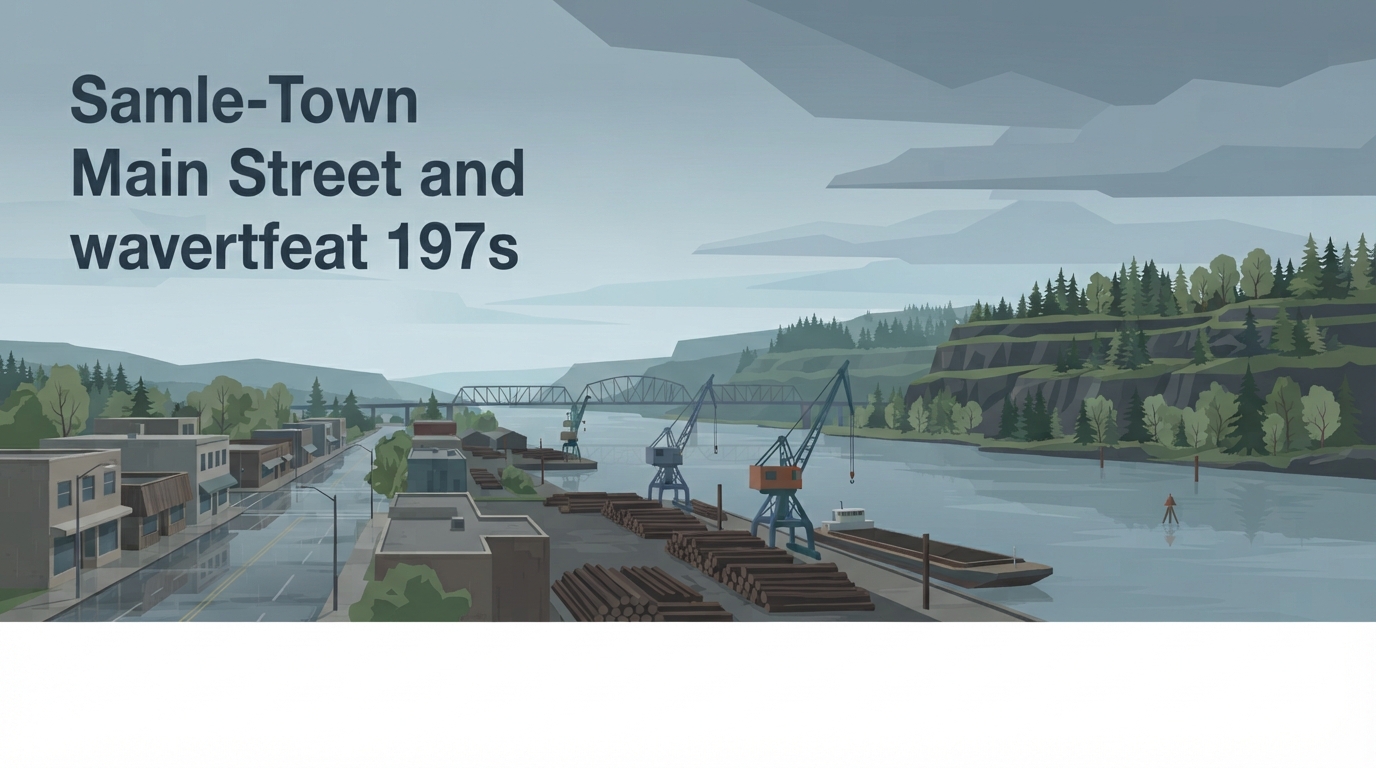



Analysis ranks Interstate Bridge Replacement among nation’s most expensive highway projects per mile
The Interstate Bridge Replacement (IBR) project is among the two most expensive highway developments per mile in the United States,...
State legislative actions, proposals, and debates in Washington
The Interstate Bridge Replacement (IBR) project is among the two most expensive highway developments per mile in the United States,...
Governor Bob Ferguson has fired Jeremiah Bourgeois, the director of the Office of Corrections Ombuds, following allegations of misconduct and...
The Clark County Council reviewed proposed changes to the county development code during a July 22 work session, focusing on...
Results from the Tuesday, Aug. 4 primary election show Democratic challengers leading Republican incumbents in four legislative races across Clark...
Tribal law enforcement agencies in Washington hire officers who were previously fired or resigned under investigation at a rate four...
A state-funded program that provides peer support and resource navigation for families of children with developmental disabilities in all 39...
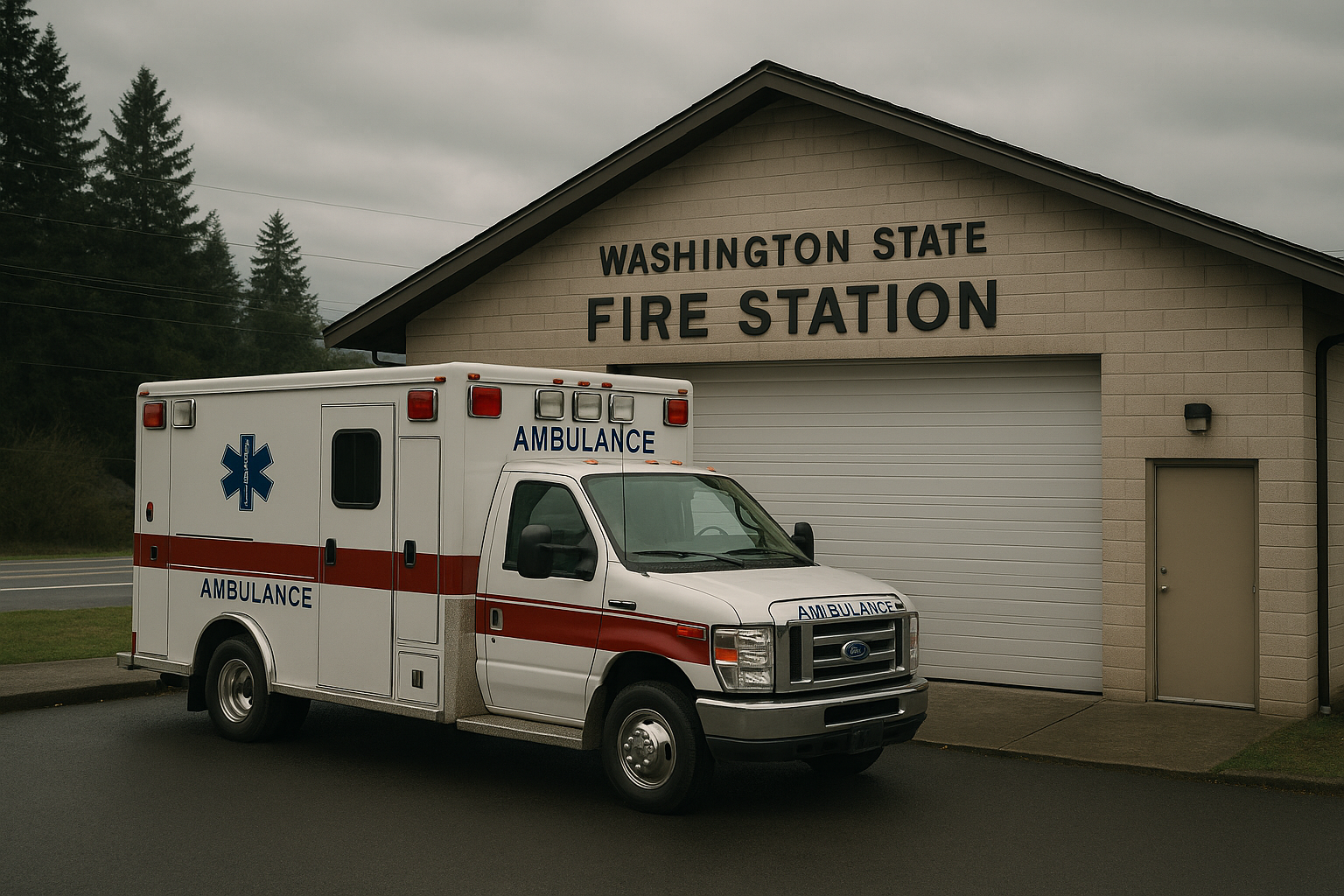
HB 2531, sponsored by Rep. David Stuebe, continues progressing through the Washington Legislature, aiming to update Medicaid reimbursement methods for emergency ambulance services. The bill has cleared the Appropriations Committee but has not yet reached a full House vote.
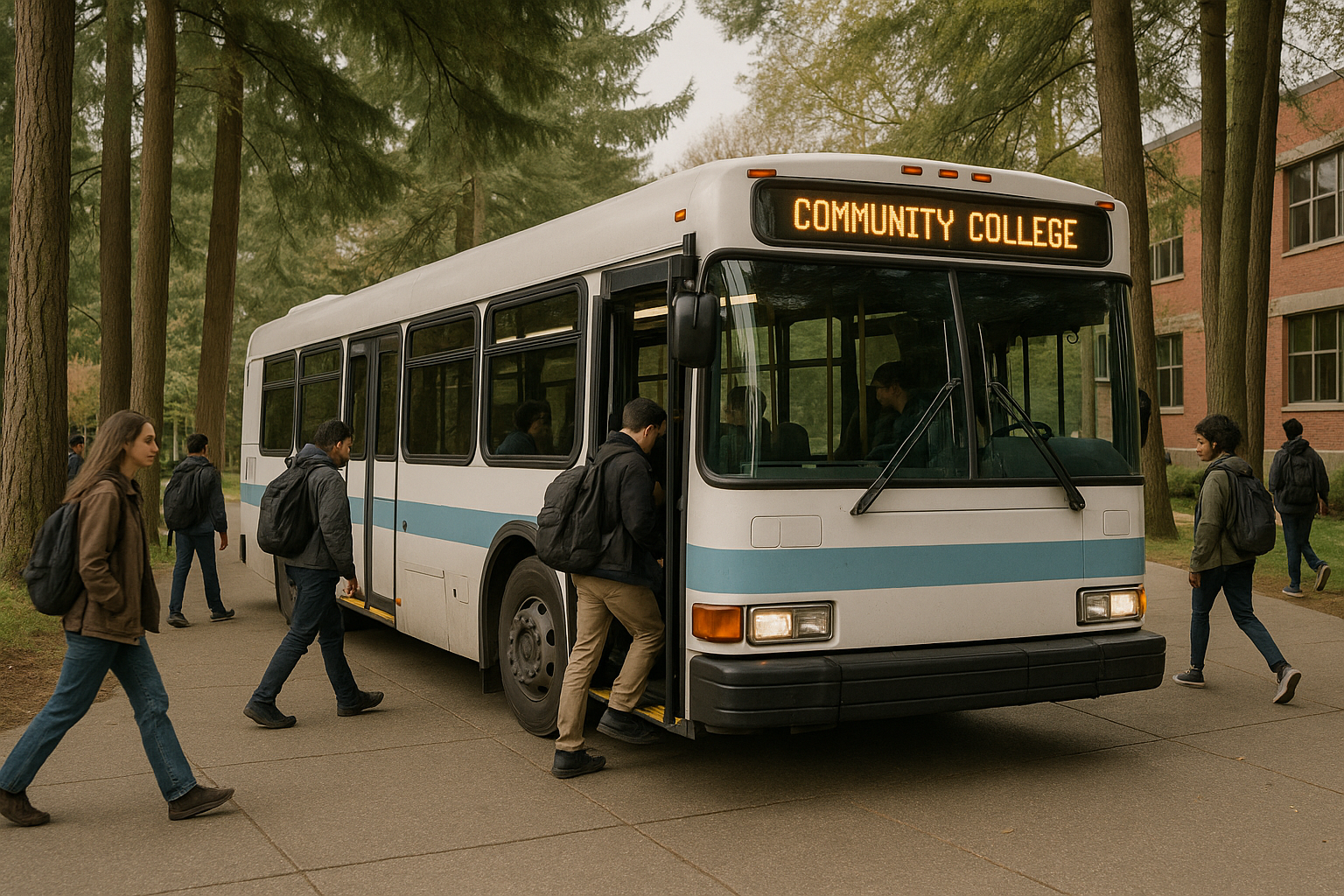
State lawmakers advanced House Bill 2727, aiming to subsidize free or reduced public transit fares for community and technical college students. The pilot‑based grant program—if enacted—could reduce transportation barriers for tens of thousands of students, with impacts rippling to Spokane and potentially benefiting students across Cowlitz County.
A national backlash over electricity-hungry data centers is shaping Washington’s own legislative push to make tech companies bear their full power costs—an issue with future implications for the Longview–Kelso area.
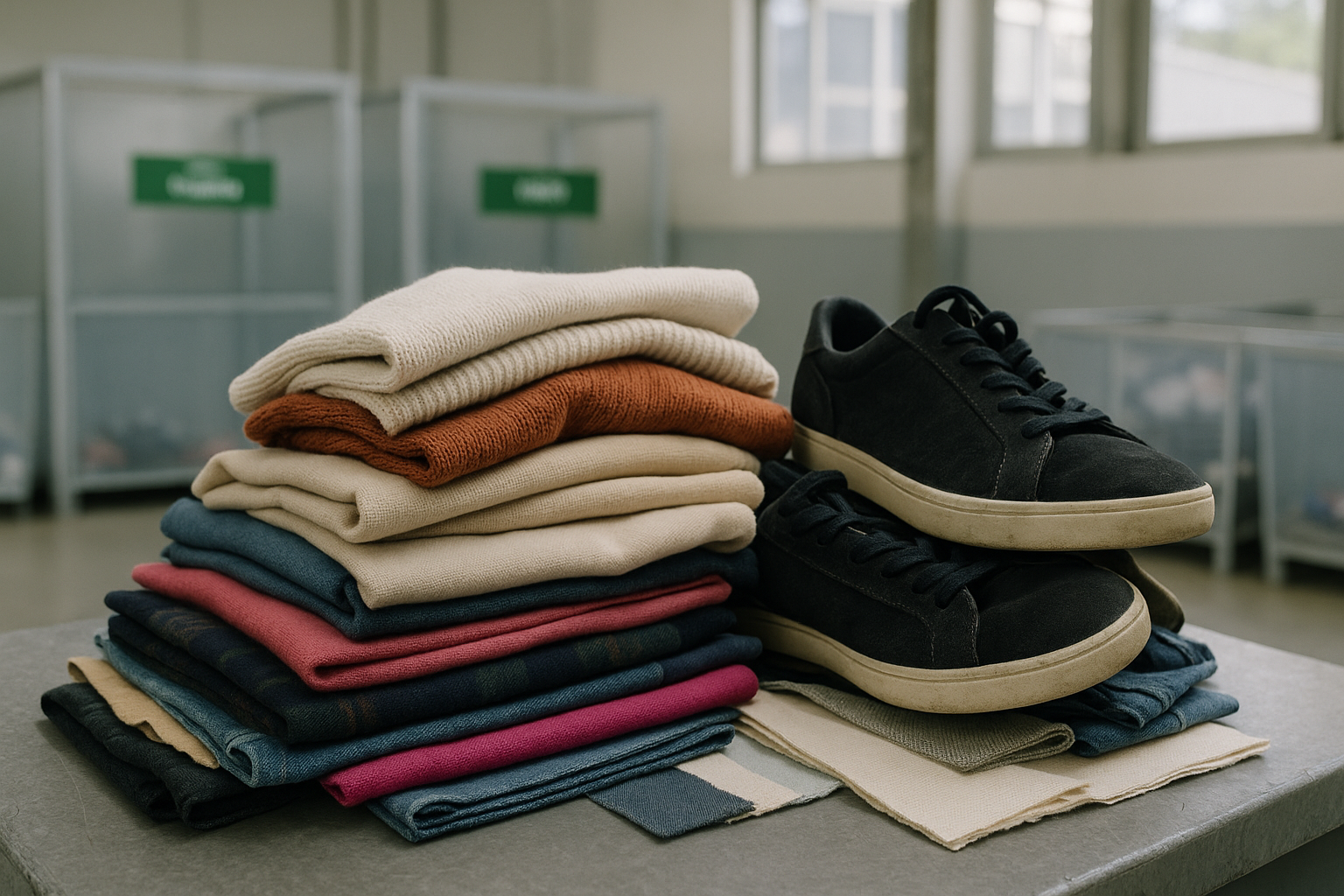
Washington’s effort to require clothing and textile producers to fund reuse and recycling infrastructure has failed to pass in the 2026 legislative session, leaving local governments responsible for textile waste without new state support—at least for now.