


Residents across Cowlitz County may see higher gasoline prices in the coming weeks as global oil markets react to recent U.S. and Israeli military strikes in Iran. According to reporting by KGW, analysts have warned that disruptions in a major Middle Eastern shipping route could tighten supply and lift fuel prices nationwide.
Several national outlets are reporting significant market volatility following the strikes. According to coverage by Barron’s, benchmark crude prices surged at the start of the week, and U.S. gasoline averages—currently near $3 per gallon—are expected to climb by at least 10 to 15 cents per gallon in the near term.
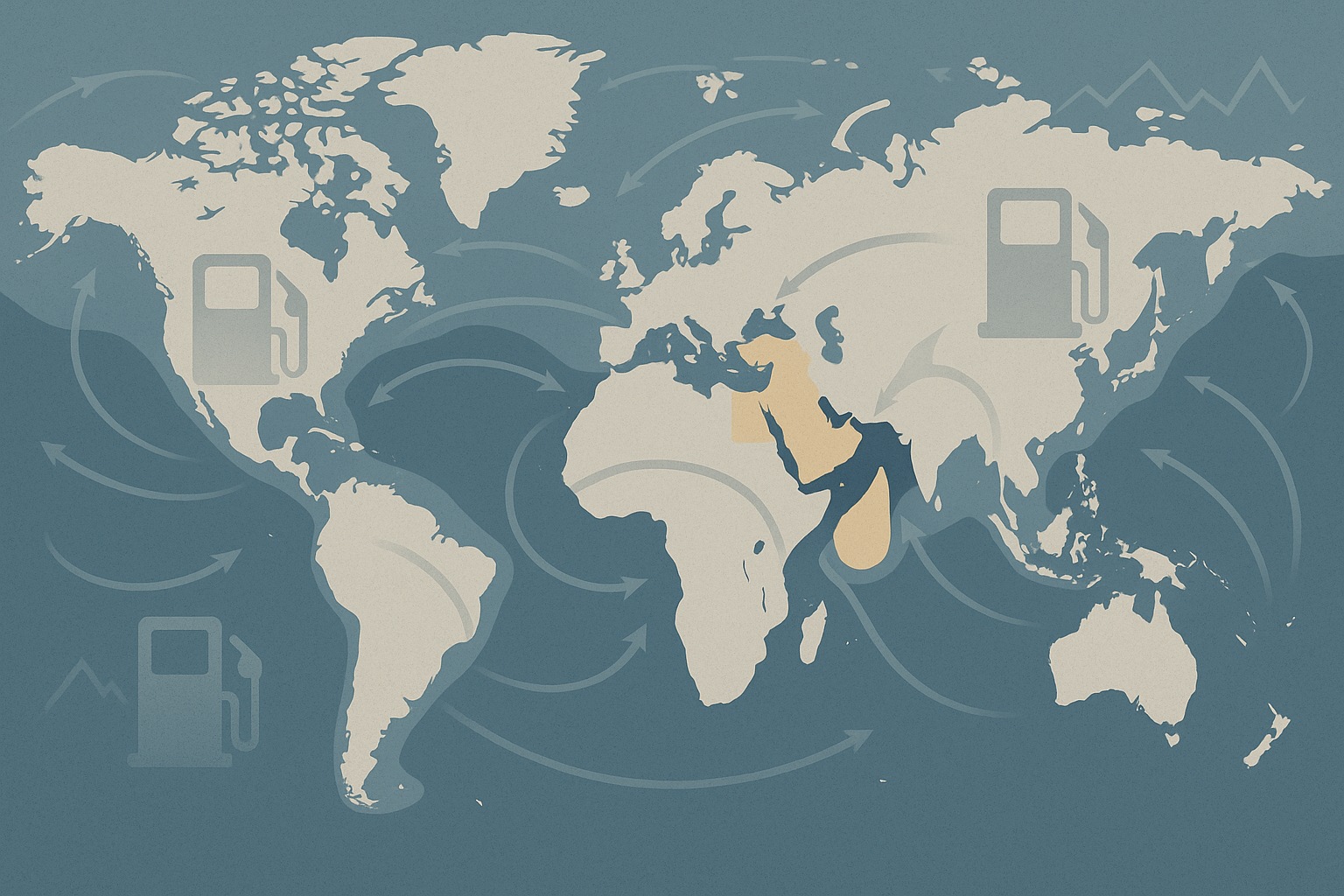
At the center of the concern is the Strait of Hormuz, a narrow waterway off Iran’s southern coast. In a report published by CNN, via KTVZ, federal energy data show that roughly one-fifth of global daily oil production—about 20 million barrels—passes through the channel. The U.S. Energy Information Administration has long identified the strait as a critical chokepoint. Any threats to shipping through this corridor routinely echo through global commodity markets.
Other outlets have noted similar concerns. According to reporting by AP News, two vessels were recently attacked near the strait, contributing to an abrupt spike in crude prices. Energy analysts told the outlet that continued instability could prolong elevated fuel costs. Additional analysis by The Guardian emphasized that any sustained disruption could push global prices sharply higher, worsening cost-of-living pressures worldwide.
While the immediate drivers of price increases are global, the effects will reach local pumps. Southwest Washington residents typically experience the same broad trends seen across the West Coast, where fuel prices are more sensitive to shifts in wholesale markets. Market estimates cited by Axios suggest that even before the recent escalation, U.S. averages were poised to rise to around $3.20 per gallon within weeks. Analysts now caution that any additional disruption in the Gulf region could accelerate that trajectory.
Local drivers should be aware that price fluctuations may continue as markets assess the scale and duration of the conflict. While OPEC+ producers have announced modest output increases, analysts told AP News that physical access to shipping routes poses a more immediate constraint than production volumes.
At the time of publication, no Washington-specific fuel supply disruptions have been reported by state officials. However, national trends remain an important indicator for regional costs, especially given the West Coast’s reliance on imported crude and its limited refinery capacity.
Why this matters: Rising fuel costs hit rural and working households hardest. In communities such as Longview and Kelso—where commuting remains a daily necessity—higher pump prices can quickly add pressure to already tight budgets. The volatility tied to the Strait of Hormuz underscores how events half a world away can shape everyday economic realities in Southwest Washington.




Leave a Comment