

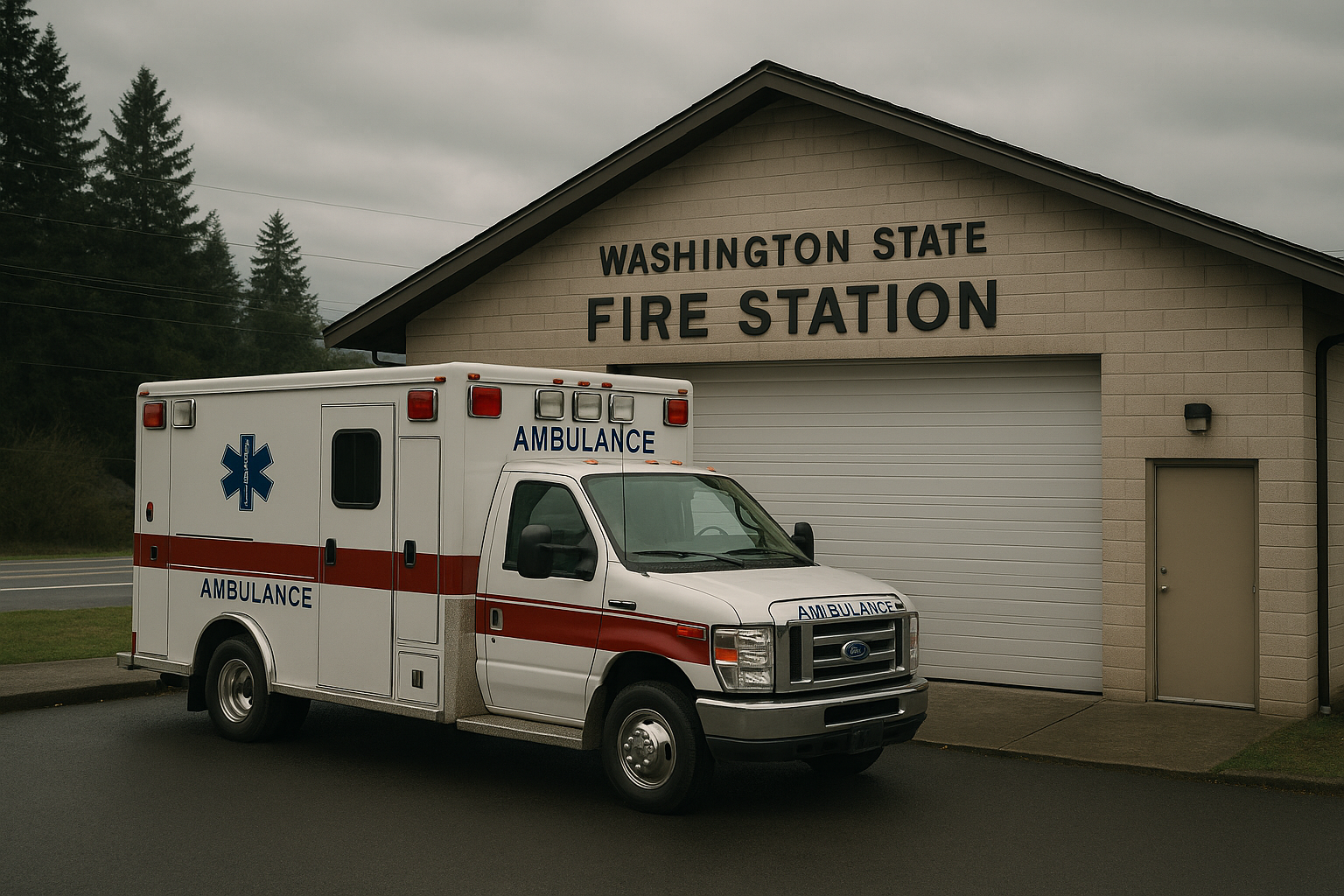

House Bill 2531, sponsored by Rep. David Stuebe of Washougal, continues to move through the Washington Legislature as policymakers consider updates to the state’s Medicaid reimbursement structure for emergency ambulance transports. According to information published by the Washington State House Republicans on January 22, 2026, the bill received a public hearing before the House Appropriations Committee and was approved with a do-pass recommendation. That committee action, recorded on January 28, 2026, advanced the bill to the House Rules Committee for further review, as documented on the official legislative tracking site LegiScan.
HB 2531 proposes to modernize how Medicaid reimbursement rates are calculated for emergency ambulance transports. Under the proposal, the Washington State Health Care Authority would be required to calculate and adjust the emergency ambulance payment add-on every year, rather than allowing multiyear static calculations. The bill also refines management of the annual quality assurance fee, freezing the fee rate at its July 2025 level beginning July 1, 2026. Instead of changing that fee rate, the state would adjust reimbursement add-on rates to maintain alignment between available fee revenue and Medicaid payment obligations. These policy details were outlined in a public release by Rep. Stuebe’s office on January 22, 2026, available via the legislative press site Rep. David Stuebe’s official page.
At this time, official legislative records show that HB 2531 has not yet received a full House floor vote. The most recent action recorded was the bill’s referral to the House Rules Committee on January 30, 2026. The committee-approved version remains eligible for consideration but cannot proceed further without additional scheduling by House leadership. Residents of southwest Washington—particularly those in rural and medically underserved areas—may feel the impacts of this legislation if enacted, as ambulance providers in such communities rely on stable Medicaid reimbursement structures to maintain service levels.
Local jurisdictions in Cowlitz County operate or contract for ambulance services and could benefit from clearer, more predictable reimbursement standards if the bill ultimately becomes law. Because emergency medical response capacity directly affects Longview, Kelso, and surrounding communities, the progress of HB 2531 remains a relevant development for residents following state-level changes that influence public safety and rural healthcare infrastructure.