

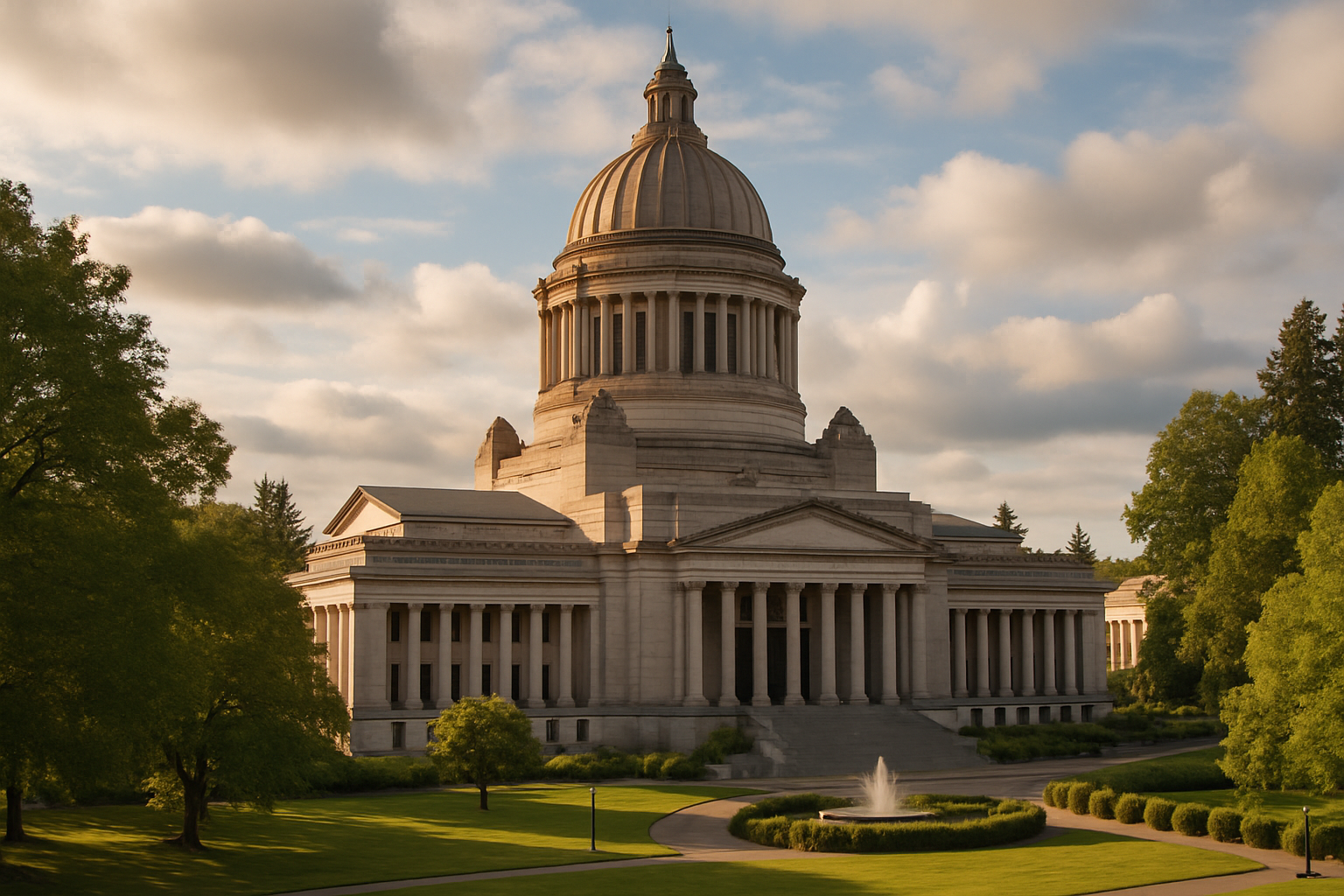

Washington’s latest revenue forecast shows lawmakers will enter the final stretch of the 2026 legislative session with more money than previously expected, following a statewide uptick in projected tax collections. The forecast, released by the Office of Financial Management on Feb. 16, indicates stronger economic activity heading into the next several years.
According to figures published by the Office of Financial Management in its announcement projected state revenue through 2029 is now $1.8 billion higher than the state’s November forecast. For the current 2025–27 budget cycle, expected collections have risen to approximately $75.3 billion — an increase of about $827 million.
Dave Reich, executive director of the state Economic and Revenue Forecast Council, attributed part of the early‑2025 revenue bump to residents accelerating certain purchases ahead of tariff changes. He also noted that several new taxes approved by the Legislature have contributed to the improved outlook.
“Washington’s revenue outlook has improved as the forecast for both the U.S. and Washington economies calls for slightly stronger growth and higher personal income in Washington,” Reich said in the state’s release. “This improved economic picture leads to more economic activity that generates increased revenues for the State of Washington.”
K.D. Chapman‑See, director of the Office of Financial Management, cautioned that despite the improved numbers, rising costs across state programs continue to strain budgets. In the statement, Chapman‑See said the updated forecast “will hopefully relieve some pressure as the Legislature works to finalize and pass the supplemental budget.”
Additional transportation‑related revenue projections are expected when the state issues its transportation forecast on Feb. 18. Legislative budget writers have indicated that supplemental budget proposals are likely to be released next week, with the 2026 regular session scheduled to adjourn on March 12.
For Cowlitz County, statewide revenue changes do not directly determine local government budgets, but they often shape the size and direction of statewide programs that fund school districts, transportation projects, behavioral‑health services, and public‑safety grants. Any shift in those areas could affect Longview, Kelso, and regional service providers during the next biennium.
Why this matters
State budgets determine how funds flow to counties and municipalities. An improved forecast may reduce pressure on statewide spending plans, but it also sets the stage for policy debates over where new or unexpected revenue should go. For southwest Washington communities — many of which are still balancing post‑pandemic recovery, rising service demands, and infrastructure needs — the Legislature’s upcoming decisions could influence what local governments can realistically expect in future allocations.
Sources
Office of Financial Management: Projected state revenue through 2029 up from November forecast



Leave a Comment