

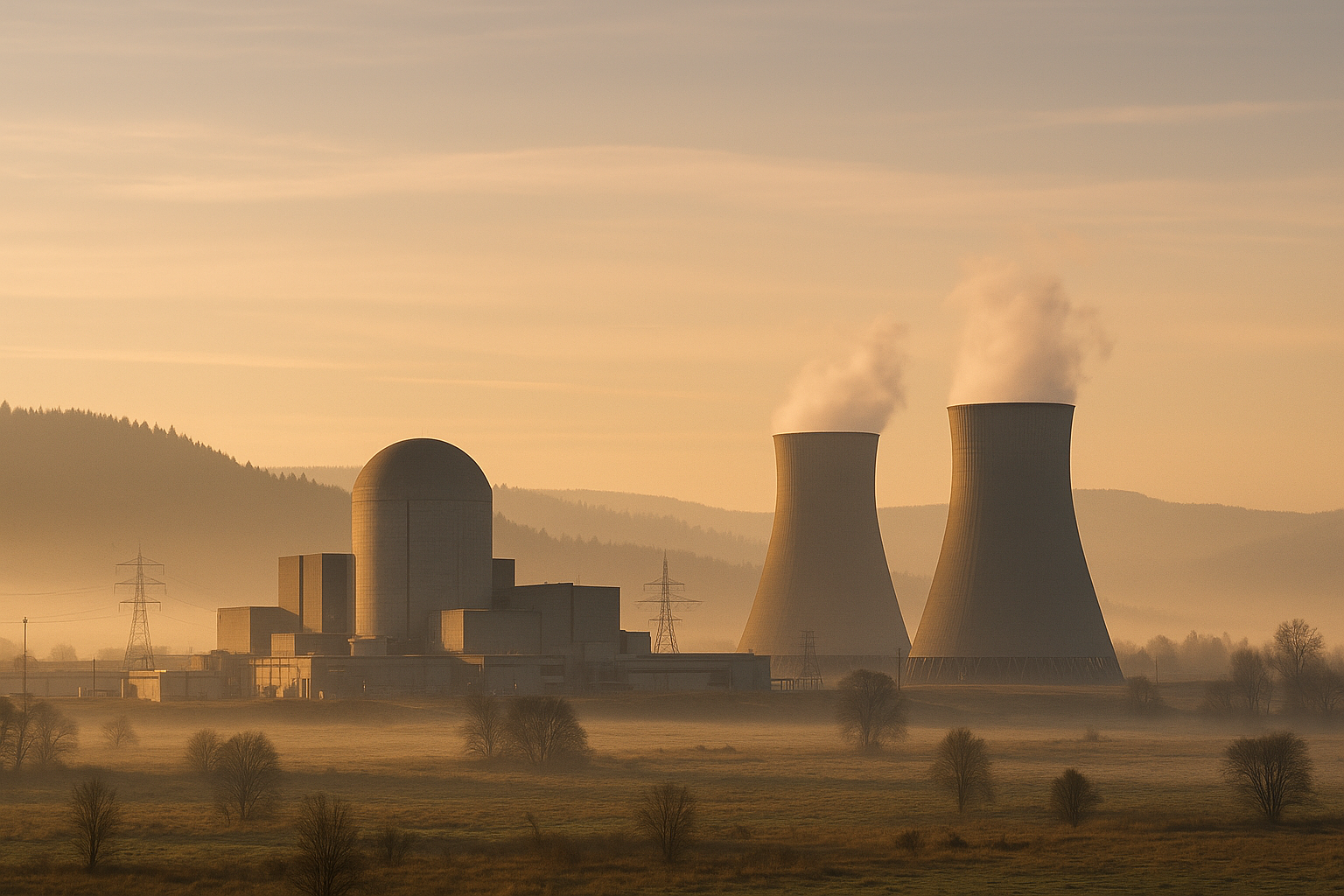

On February 12, 2026, operators at Energy Northwest’s Columbia Generating Station—the Pacific Northwest’s only commercial nuclear power plant—manually shut down the reactor at approximately 2:49 a.m. PST after detection of mechanical issues involving both reactor recirculation pumps, which maintain coolant flow through the reactor core and are essential for safe operation. This precautionary shutdown prevented what would likely have been an automatic reactor trip under a loss-of-pump scenario, according to the U.S. Nuclear Regulatory Commission (NRC) notification. The plant is currently in a stable, safe condition, though no timeline for restarting has been announced. The NRC has been informed and the incident has been classified as a four-hour, non-emergency notification. Feedback to the grid has ceased until further notice. (Columbia Generating Station is normally capable of operating with one pump, making the dual failure particularly significant.)
This unplanned outage interrupts the plant’s 227-day uninterrupted run following its return to service after a May 2025 refueling. The last unplanned interruption prior to this was in May 2018 and related to an automatic transformer disconnect incident. In contrast, most plant downtime has historically been linked to planned maintenance or scheduled refueling cycles. The Columbia Generating Station accounts for approximately 1,207 megawatts of carbon-free electricity—enough to power about one million homes—and is the third-largest electricity generator in Washington state. (The larger generators are Grand Coulee and Chief Joseph dams.)
Pending inspections of the recirculation pumps are now underway, as technical teams assess whether repair or replacement is required. These pumps are vital to maintaining reactor water circulation; the loss of both simultaneously prompted the reactive shutdown. Energy Northwest emphasized that safety remains its highest priority in implementing conservative measures. Meanwhile, the absence of this significant generation resource may heighten load pressures on the region’s hydroelectric system and other energy sources, especially as momentary alternatives come under strain amid winter demand.
Why this matters:
- The Columbia Generating Station serves as a critical source of dependable, carbon-free power for Eastern Washington and beyond. Its unplanned removal from service—even temporarily—could complicate regional energy balancing, especially if it coincides with extreme weather or high-demand periods.
- Mechanical reliability of aging nuclear infrastructure is a growing concern. The plant, commissioned in 1984, is undergoing a multi-year Extended Power Uprate project slated to conclude by 2031; this includes upgrading pumps, turbines, and generators. Incidents such as this underscore the challenge of maintaining aging systems while incorporating modernization efforts.
- Although no safety harm occurred, the dual-systems failure and manual reactor trip highlight the importance of procedural resilience. This incident provides an opportunity to review redundant pump systems, maintenance protocols, and emergency readiness with rigorous oversight.
Moving forward, Energy Northwest is expected to issue regular updates on the status of repairs and a projected date for return to service. The Columbia Generating Station’s downtime will be closely watched by policymakers, energy managers, and the community given its role in regional grid reliability and decarbonization goals.




Leave a Comment