

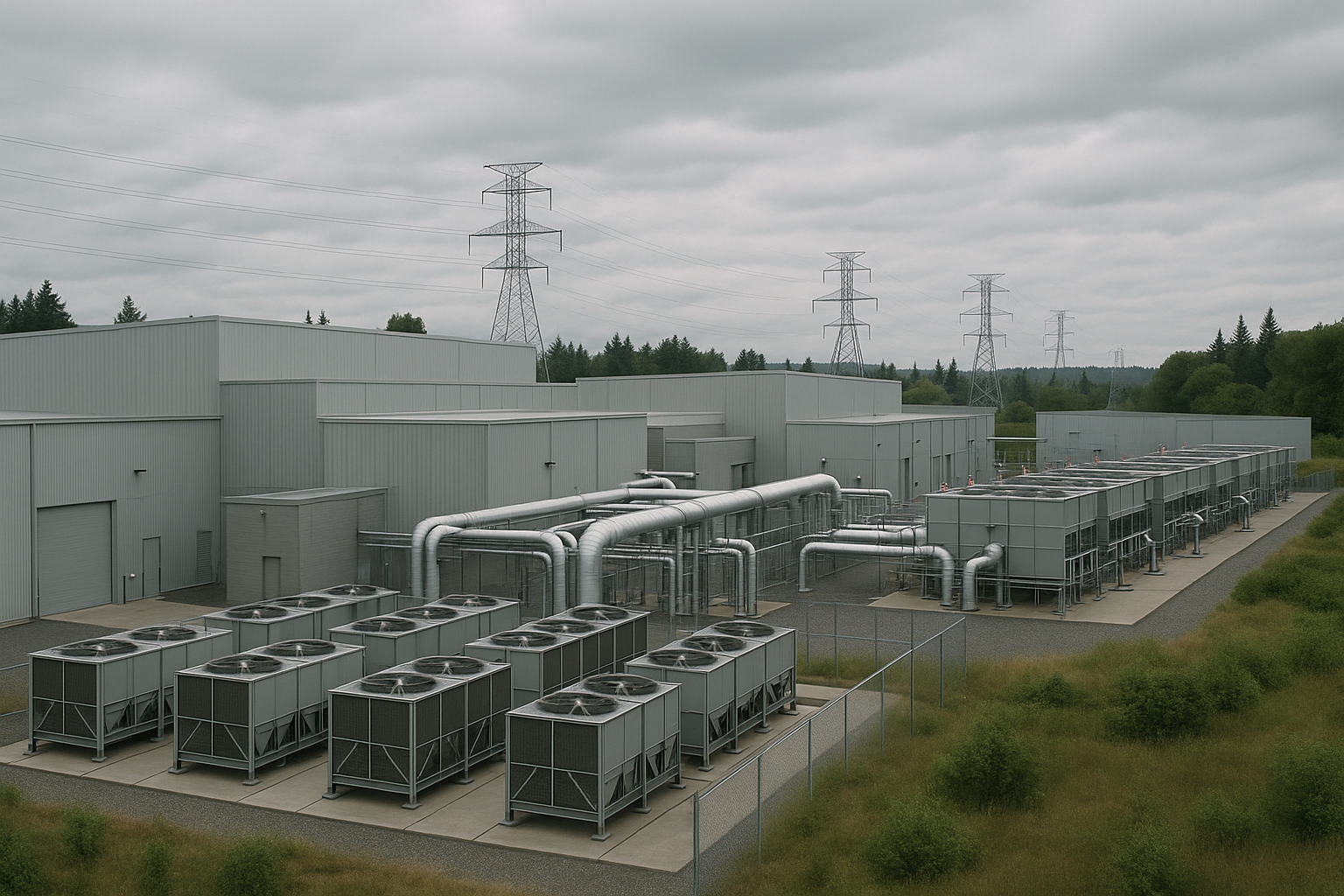

Washington state’s House Bill 2515—a proposal to regulate how large data centers interact with the electrical grid—advanced this week after legislators stripped out a controversial energy‑use fee and pushed back clean power requirements by a decade. The bill passed from the Appropriations Committee and now heads to the state House floor for a full vote.
According to Oregon Public Broadcasting, House Bill 2515 requires utilities to design tariffs or cost policies for data centers by 2027, ensuring those facilities—not other customers—cover the high costs of meeting their power demands. The legislation would also oblige operators to scale back usage or switch to generators during periods of grid strain and to disclose annual reports detailing water, energy, and emissions data as well as information about cooling methods.
Rep. Beth Doglio (D‑Olympia), who chairs the House Environment and Energy Committee and is the bill’s prime sponsor, said the measure is aimed at “protecting ratepayers by ensuring new data centers are picking up the whole tab for new growth.” While the bill originally included an annual fee of half a cent per kilowatt hour to fund weatherization and higher‑education programs, legislators eliminated that provision following an amendment by Rep. Mary Dye (R‑Pomeroy). Supporters of that change argued the fee would have hurt Washington’s competitiveness for data‑center investment.
Another amendment extended the deadline for data centers to use 100 percent emissions‑free electricity from 2035 to 2045, aligning with existing statewide clean‑energy goals. Industry advocates such as the Data Center Coalition said the timeline adjustment was necessary but maintained that the bill still unfairly targets their sector compared to other large energy users like semiconductor plants or food processors. Coalition representatives also objected to disclosure requirements that could reveal proprietary cooling technologies.
Meanwhile, Puget Sound Energy—the state’s largest investor‑owned utility—expressed qualified support. Spokesperson Andrew Padula said the utility backs the concept of data centers covering their share of costs but warned of “considerable complexity” in managing rapidly growing industrial power demands amid new competition for renewable projects.
Rep. April Berg (D‑Mill Creek) and Rep. Larry Springer (D‑Kirkland) were the only Democrats joining Republicans in voting against the bill. Berg, who sponsored 2022 legislation granting tax incentives for data centers while establishing labor and environmental standards, said she wants further dialogue to protect local communities, ratepayers, and the state’s climate goals.
Local and Regional Implications
While Cowlitz County is not currently a major data‑center hub, any future development plans in Longview‑Kelso or along I‑5 could fall under the cost and sustainability provisions of HB 2515 if enacted. This would affect how local utilities recover infrastructure expenses and could influence whether the region becomes attractive for new tech‑driven investment. Rural counties such as Grant—home to Quincy’s large cluster of cloud facilities—are frequently cited as examples where property‑tax revenues have grown substantially due to data‑center expansion.
What Happens Next
If passed by the House, HB 2515 will move to the Senate for review during the current legislative session, which runs through mid‑March. Lawmakers from both parties have indicated that further amendments may be discussed to balance economic development with grid protection and transparency goals.



Leave a Comment