

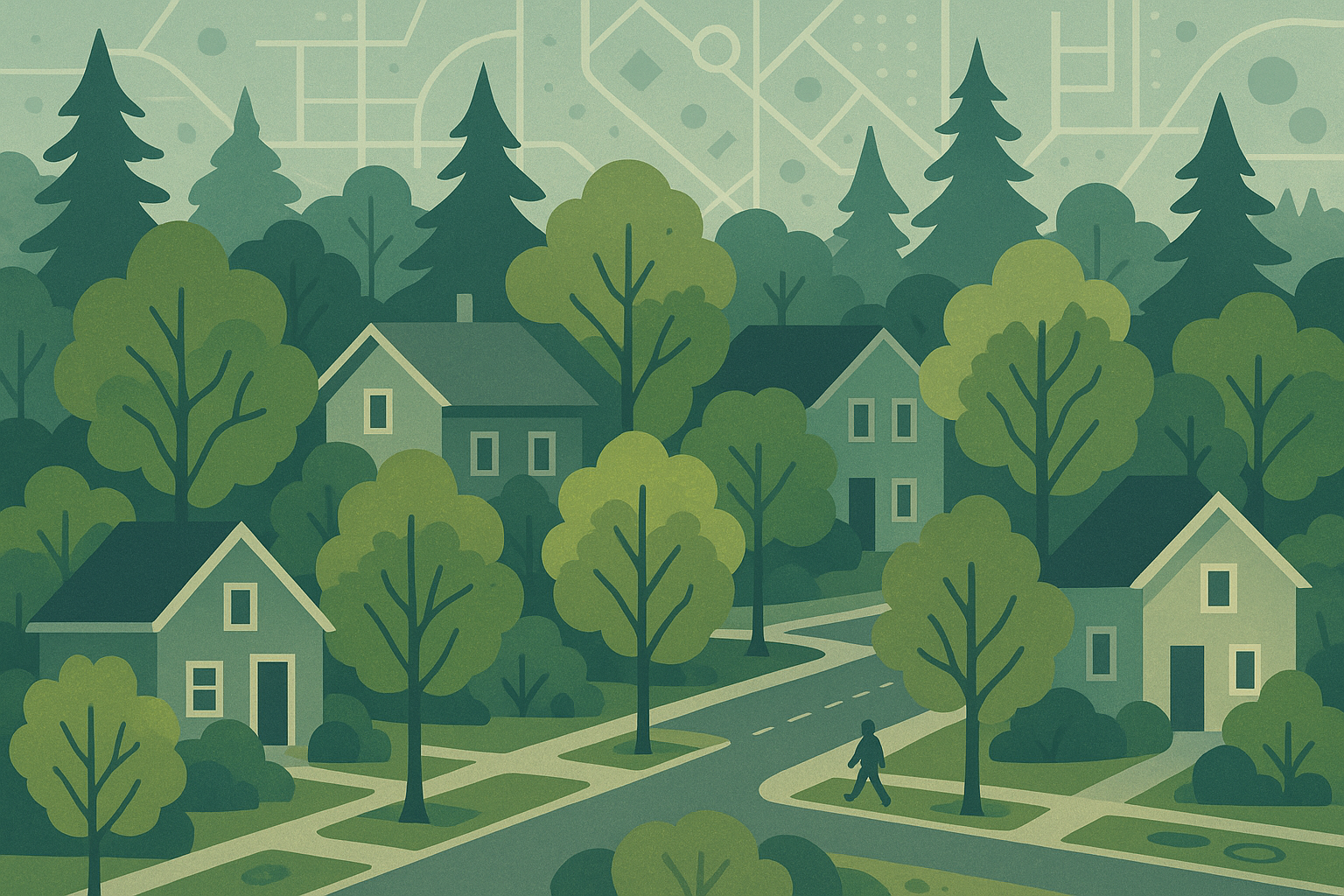

The Washington State House’s latest operating budget proposal would eliminate state support for the Department of Natural Resources’ Urban and Community Forestry program, a move agency officials say could unravel more than three decades of work and jeopardize millions in federal grants that help communities maintain and expand their tree canopy.
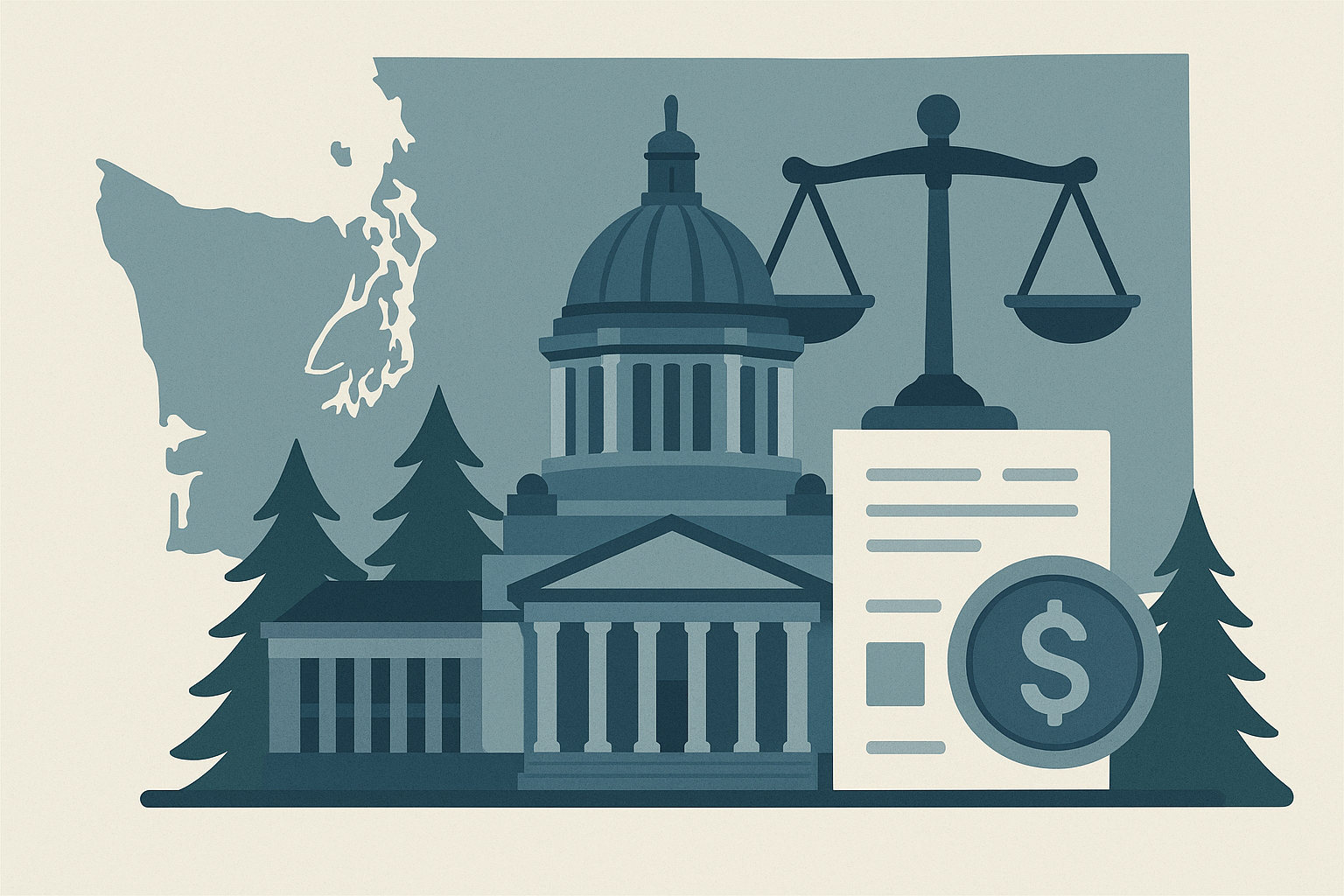
According to reporting by Washington State Standard, the House proposal removes $1.8 million in the upcoming fiscal year and an additional $3 million in the following biennium. In contrast, the Senate budget retains the program’s funding. Both chambers are considering operating budgets of roughly $79 billion over two years.
Officials at the Department of Natural Resources say the elimination would effectively dismantle the Urban and Community Forestry program by forcing the loss of about seven staff positions and severing the state’s ability to meet federal matching requirements. “It’s not a reduction. It’s an elimination,” said Will Rubin, communications manager for the agency. Rubin said the decision came without warning: “Nobody was even suggesting it as an idea.”
The program currently relies on approximately $5.5 million in federal grants to support projects across Washington, which range from local tree-planting efforts to citywide management plans. Those dollars, Rubin noted, require a state match—either through funding or personnel time. Without it, communities across the state would lose access to federal support drawn from the U.S. Forest Service’s expanded urban forestry investments under the Inflation Reduction Act.
Urban forestry advocates say the consequences would fall disproportionately on lower‑income neighborhoods, which often have fewer trees and experience more intense heat during extreme weather. Tim Kohlhauff, a member of the Washington Community Forestry Council and leader of the Spokane County Master Gardener program at Washington State University’s Extension Office, told the Standard that grant-funded projects frequently serve areas where residents “don’t have the discretionary funding to plant trees themselves.”
The state’s program was also tasked by House Bill 1216 in 2021 with ensuring that at least half of its funding supports vulnerable populations and with creating a statewide inventory of urban forests—mandates that would go unfulfilled without continued state backing.
For Southwest Washington, the uncertainty raises practical questions. Urban tree projects in Longview, Kelso, and nearby communities have historically depended on a mix of local planning, volunteer support, and state-level expertise. While no specific Cowlitz County projects were identified in the Standard’s reporting, past grant cycles have supported similar mid‑sized cities across the state by providing technical assistance, mapping, and coordination—services that local governments often lack the capacity to perform alone.
Garth Davis, forestry resource manager for the Spokane Conservation District and a former member of the Washington Community Forestry Council, told the Standard that the program had only recently reached the capacity needed to help more communities statewide: “They just got to a place where they were able to assist a lot more people and this will reverse that.”
Megan Dunn, a councilmember representing the Washington Association of Counties, said she understood the Legislature’s budget pressures but urged lawmakers to consider reducing, rather than eliminating, support.
Rubin emphasized the public‑health dimension of urban tree canopy, noting that shaded neighborhoods fare better during extreme heat events. “Everybody deserves to reap the benefits of living in a healthy, vibrant urban forest,” he said.
Negotiations between the House and Senate will determine the program’s fate as lawmakers move toward a final budget later this session.
Sources
- Washington State Standard: Urban tree funding axed in WA House budget proposal
- Washington Department of Natural Resources: Urban & Community Forestry program materials
- Washington State Legislature: House Bill 1216 (2021)


Leave a Comment